Comparison
AeroPress vs French Press: Which Is Better?
Both steep coffee in water, but a paper filter and a plunge make the AeroPress clean and quick, while a metal mesh makes the French press full-bodied and hands-off. Here's how to choose.
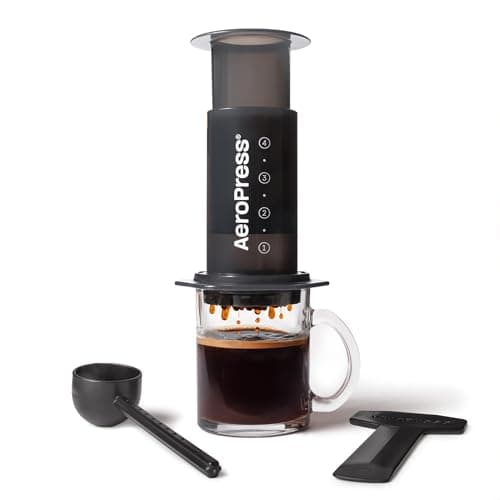
The AeroPress and the French press both make coffee by soaking grounds in hot water — but they finish the job in opposite ways, and that changes everything in the cup. The AeroPress steeps briefly, then you press the coffee through a paper filter with light hand pressure, giving a clean, quick, smooth cup. The French press steeps longer and separates the grounds with a metal mesh, giving a heavier, oilier, full-bodied cup with a little sediment. Neither is "better" — here's how to pick the one that fits your morning.
The short answer
Choose the AeroPressif you want a clean, smooth, low-grit cup, fast cleanup, and a nearly indestructible brewer you can throw in a bag — it's ideal for one or two cups, travel and desk use. Choose the French press if you want a rich, full-bodied cup with more mouthfeel, the ability to brew several cups at once, and a completely hands-off steep with no paper filters to buy. Many coffee people happily own both.
At a glance
| Attribute | AeroPress | French press |
|---|---|---|
| Method | Immersion + light press | Full immersion |
| Filter | Paper (metal optional) | Metal mesh |
| Body | Clean, smooth | Full, heavy, oilier |
| Grit / sediment | Very little | Some (part of the style) |
| Grind | Medium-fine to fine | Coarse |
| Batch size | 1-2 cups | Several cups |
| Brew time | ~1-2 minutes | ~4 minutes |
| Cleanup | Very easy (eject puck) | Messier (rinse grounds) |
| Portability | Excellent (durable plastic) | Poor (glass, bulky) |
How each one works
The AeroPressis a two-part plastic tube. You add grounds and hot water, stir and steep for a short time, cap it with a paper filter, and push the plunger down — the light pressure forces the coffee through the paper in seconds. That combination of brief immersion and a fine paper filter is why it tastes clean but still has body. It uses a medium-fine grind and brews in a minute or two.
The French pressis a carafe with a plunger and a metal screen. You add coarse grounds and hot water, let them steep for about four minutes, then press the mesh down to trap the grounds at the bottom. Because the filter is metal, oils and some fine particles pass into the cup, which is exactly what gives French press coffee its heavier body. There's no pressing the coffee through anything — the plunge just separates the grounds. See the field in our best French press guide.
Body, clarity and grit
This is the heart of it. The French press's metal mesh lets the coffee's oils and micro-fines through, producing a fuller, rounder, heaviercup — and a bit of sediment at the bottom that fans consider part of the character. The AeroPress's paper filter traps most of those oils and fines, so the cup is cleaner and smoother, closer to pour over but with a touch more body thanks to the immersion and pressure.
If you love a thick, mouth-coating cup, the French press wins. If grit bothers you and you prefer a clear, smooth cup, the AeroPress wins. (You can fit a reusable metal filter to the AeroPress for a heavier, more French-press-like result — a nice bit of flexibility the French press doesn't offer in reverse.)
Cleanup
The AeroPress is the easiest brewer to clean of almost anything: pop off the cap, push the plunger the last inch, and the compressed puck of grounds and the paper filter drop straight into the trash. A quick rinse of the seal and you're done.
The French press is messier. Wet grounds cling to the bottom of the carafe and clog the sink if you rinse them down, so you scoop or wipe them out, then disassemble and rinse the multi-piece mesh filter to keep oils from building up. It's not hard, just more of a chore — and the daily difference in cleanup is one of the most common reasons people reach for the AeroPress on a weekday.
Batch size
Here the French press pulls ahead. A standard 34 oz press brews several cups in one go, which makes it the better choice for a household, for guests, or for anyone who wants more than a mug at a time. The AeroPress is fundamentally a one-to-two-cupbrewer — brilliant for a single serving, but you'd be brewing repeatedly to fill a table.
Portability
The AeroPress was practically built for travel. It's lightweight, made of tough plastic that shrugs off being dropped, and small enough for a suitcase, an office drawer or a campsite — all you add is hot water. A classic French press, with its glass carafe and bulky frame, is a countertop fixture that doesn't travel well (a stainless press survives better, but it's still bulky). For coffee on the move, the AeroPress is the obvious pick.
The two to buy
For the AeroPress, the standard AeroPress Originalis the one to get — the full-size classic, complete with a stack of paper filters and the stirrer and scoop.
For the French press, the Bodum Chambord is the classic: borosilicate glass, a three-part stainless mesh filter and a fair price, with replaceable parts.
| AeroPress Original | Immersion + press, paper filter, 1-2 cups |
|---|---|
| Bodum Chambord | Full immersion, metal mesh, 34 oz / 8 cups |
Whichever you pick, the grind is what decides the cup: the French press wants a coarse, even grind and the AeroPress a medium-fine one, and both need a burr grinder to stay consistent. Start with our best burr grinders and dial in with the grind size chart.
Who each is for
Get an AeroPress if:you brew mostly for yourself, you want a clean and smooth cup with almost no grit, you value fast cleanup, or you want a durable brewer for travel, work or camping. It's also the more flexible of the two — recipes range from concentrated espresso-style shots to full mugs.
Get a French press if:you love a rich, full-bodied cup, you regularly brew for more than one person, you'd rather steep hands-off than press, or you want to skip buying paper filters. It's the more traditional, communal brewer of the two.
The verdict
If you want clean, smooth coffee, quick cleanup and portability, the AeroPress is the better everyday brewer — especially for one or two cups. If you want a full-bodied cup, bigger batches and a hands-off steep with no paper filters, the French press is the one. Match the brewer to the cup you actually crave and the number of people you brew for, pair it with a burr grinder at the right grind, and either one will make excellent coffee for very little money.
Frequently asked questions
Is AeroPress or French press coffee smoother?
The AeroPress makes the smoother, cleaner cup. Its paper filter traps most of the coffee's oils and fine particles, so there's very little grit and a clearer taste. A French press uses a metal mesh that lets oils and some fines through, producing a fuller, heavier body with a bit of sediment — richer, but not as clean.
Which is easier to clean, an AeroPress or a French press?
The AeroPress, by a wide margin. You push the plunger to eject the compressed puck and paper filter straight into the trash, then rinse the seal. A French press requires scooping out wet grounds and disassembling and rinsing the multi-piece mesh filter, which is messier and one of the main reasons people prefer the AeroPress on busy mornings.
Can an AeroPress replace a French press?
It can for one or two cups, especially if you fit a reusable metal filter for a heavier, more French-press-like body. But the AeroPress can't match a French press for batch size — a standard press brews several cups at once, while the AeroPress is really a single-serve brewer. For a household or guests, the French press still wins.
What grind should I use for each?
Use a coarse, even grind for a French press — roughly coarse sea salt — so grounds don't slip through the metal mesh and over-extract. Use a medium-fine grind for a standard AeroPress recipe, or finer for concentrated, espresso-style shots. A burr grinder keeps either one consistent, which matters more than the exact setting.
Does an AeroPress make espresso?
Not true espresso. The AeroPress applies only light hand pressure — nothing close to the roughly 9 bar a real espresso machine uses — so it can't build genuine crema. It can make a strong, concentrated, espresso-style shot that works well in milk drinks or as the base for an Americano, but it isn't technically espresso.
Sources
Keep reading
Buying your first setup?
See how we pick — compiled specs, cost-per-shot math, and honest trade-offs — then dig into the guides. No fake test lab, no rankings for hire.