Guides
Guides
The how-to knowledge that makes the gear work: grind size, pulling a shot, using a moka pot, and what home espresso really costs.
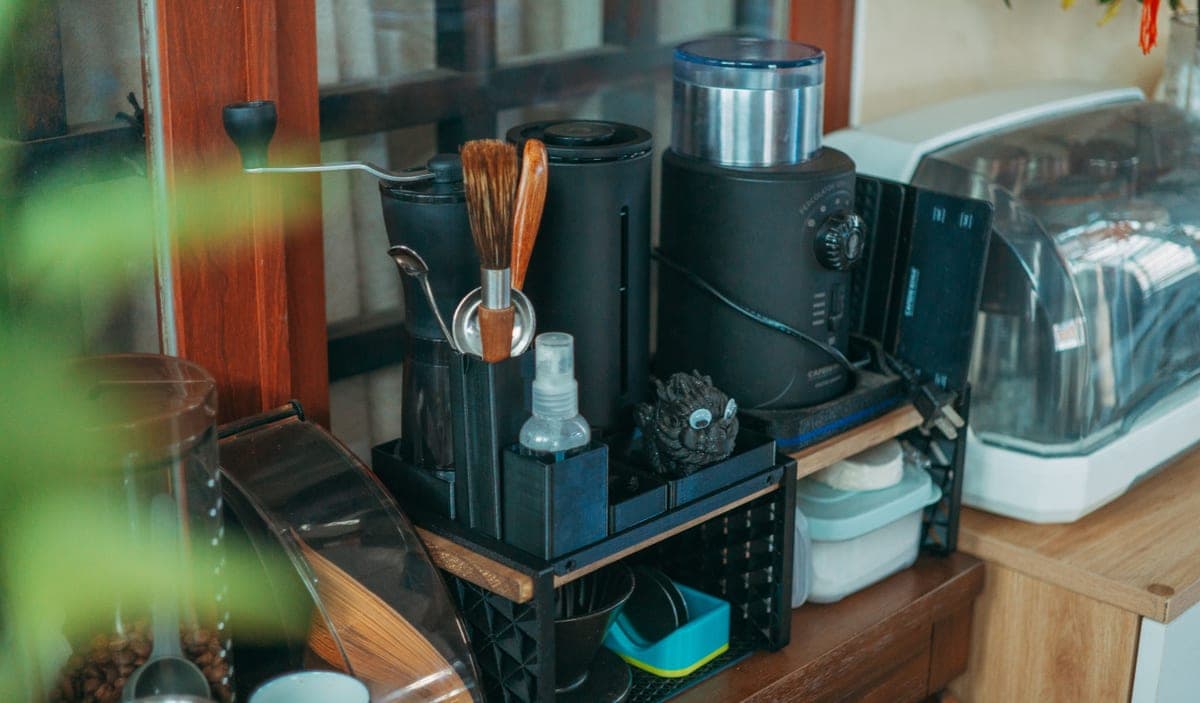
Home Espresso for Beginners: Start Here
The flagship beginner's guide to home espresso: how to build a first setup, the grinder-first truth, budget tiers, milk versus black, and the mistakes to avoid.
Read more →
Coffee vs Espresso: What's Actually Different?
Coffee vs espresso in plain language: the pressure, grind, caffeine and taste differences, whether espresso beans are special, and which gear makes each.
Read more →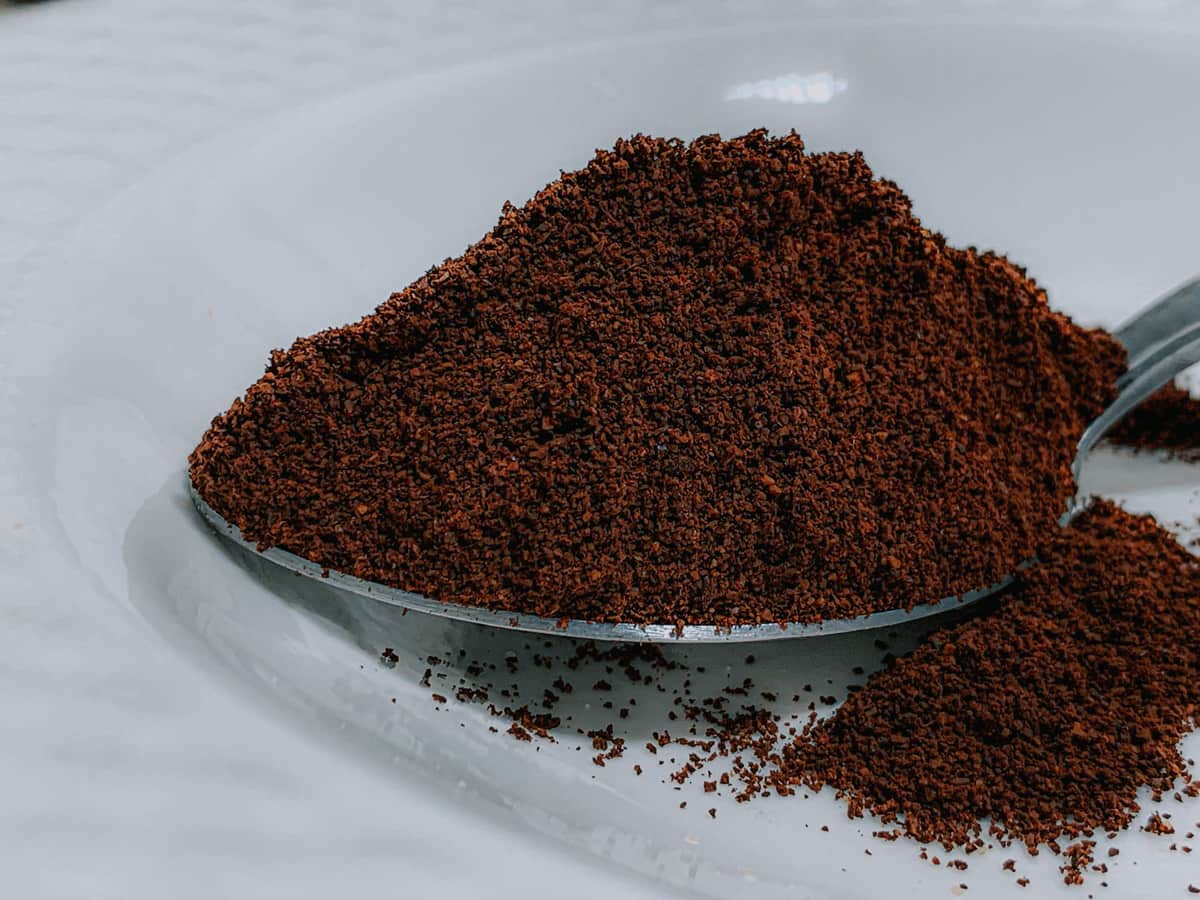
Coffee Grind Size Chart: Espresso to French Press
The grind size for every brew method — espresso, moka pot, pour over, drip, French press, cold brew — with everyday comparisons and how to dial in your grinder.
Read more →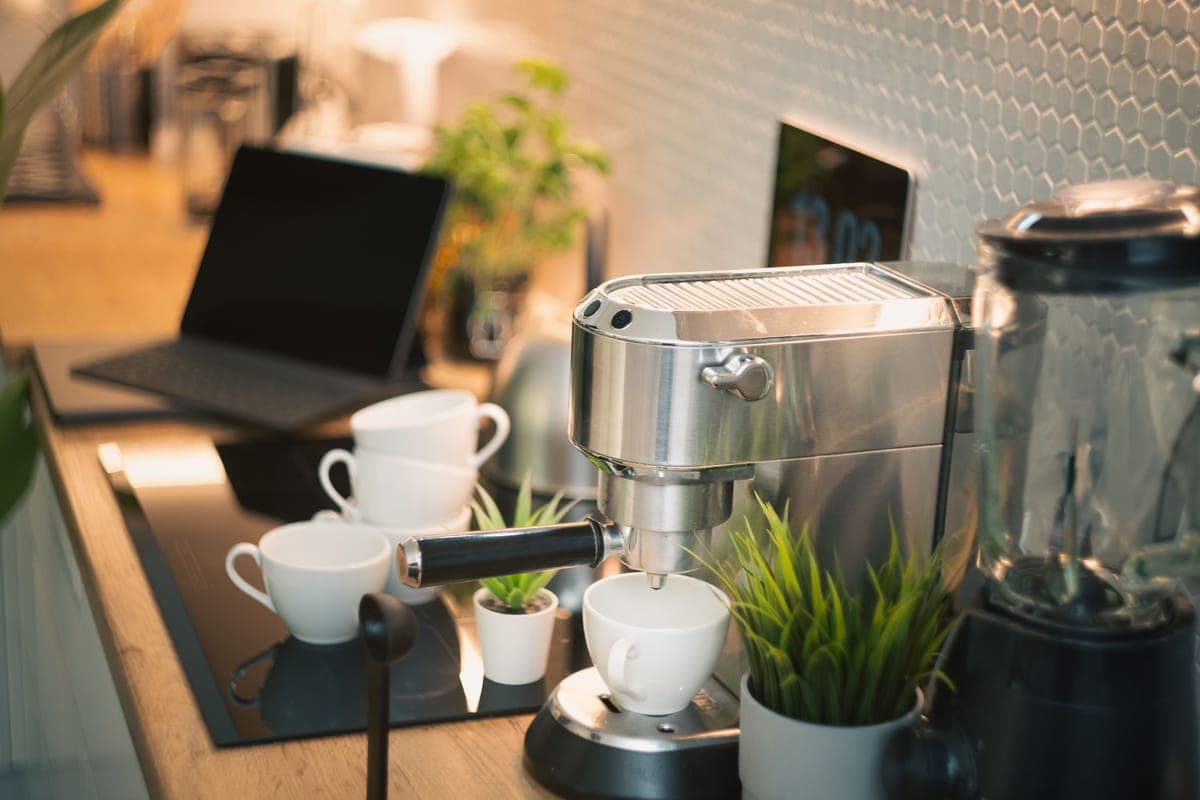
The True Cost of Home Espresso, Per Shot
A transparent per-shot cost estimate for home espresso — beans, milk, electricity, descaling and upfront gear — with a clear break-even against buying a daily cafe latte.
Read more →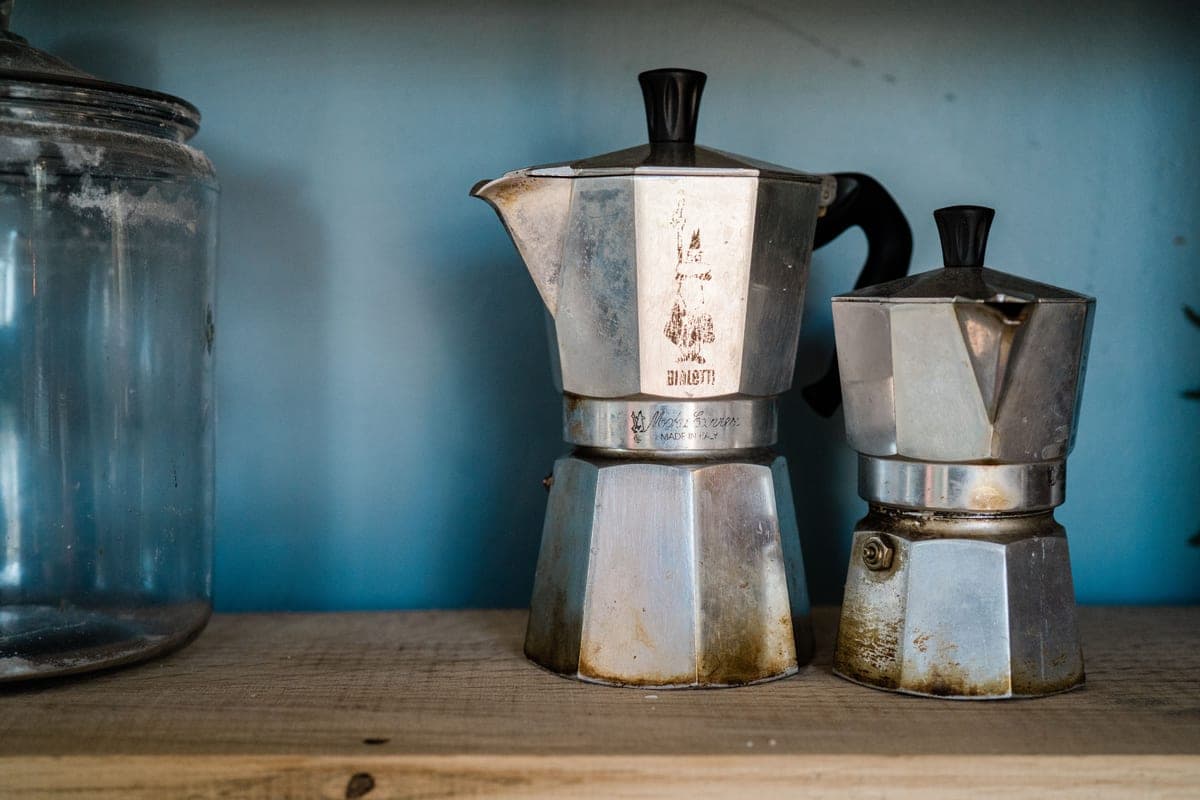
How to Use a Moka Pot, Step by Step
A step-by-step moka pot guide: correct water level, grind and heat, when to pull it off the stove, the mistakes that cause bitterness, and how to clean and maintain the pot.
Read more →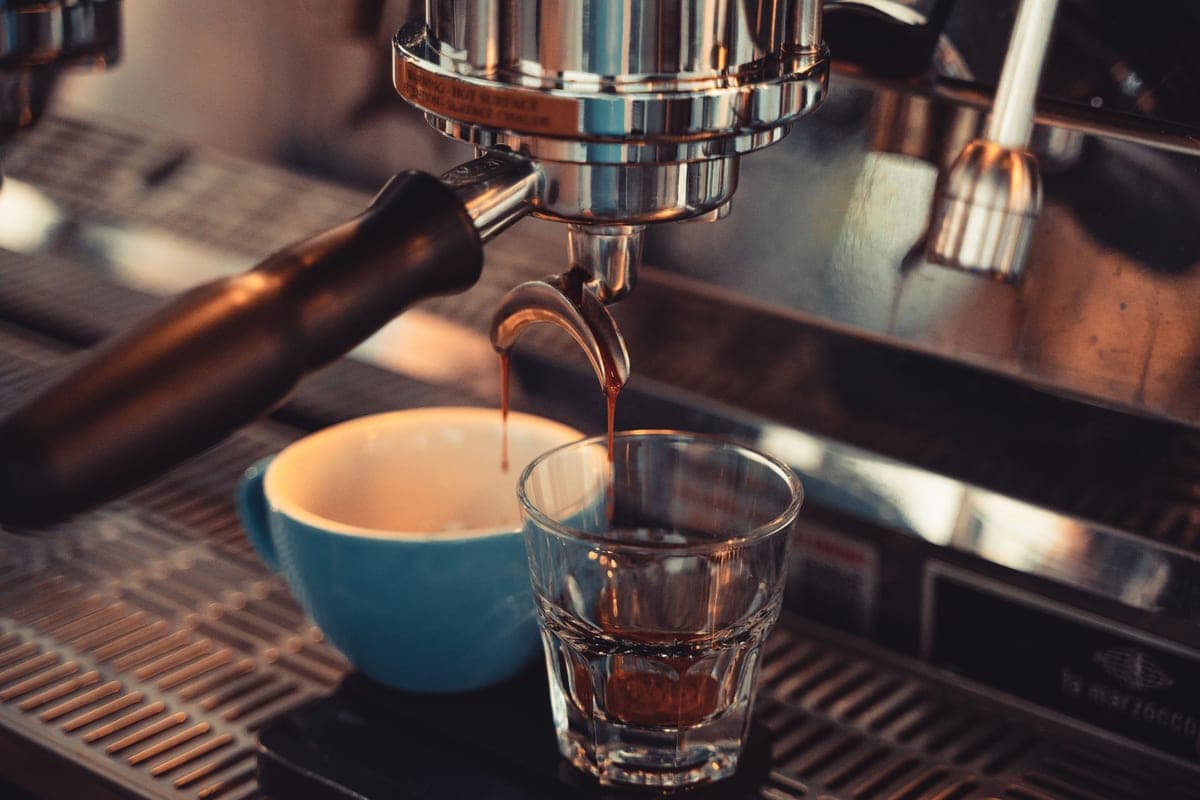
How to Pull an Espresso Shot at Home
A clear beginner walkthrough for pulling espresso: dose, grind, distribute, tamp, target a 1:2 ratio in 25-30 seconds, read the shot, and the basics of steaming milk.
Read more →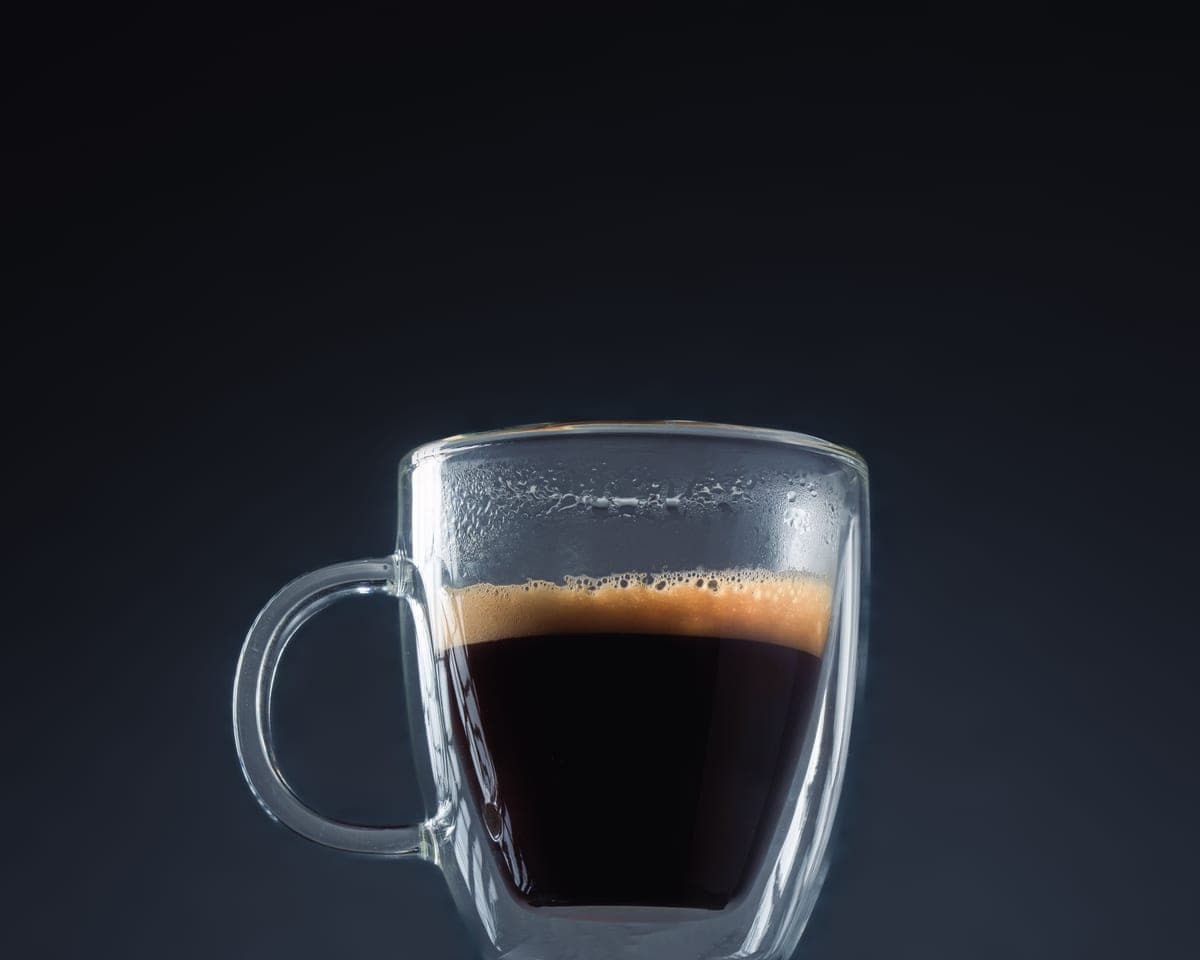
Why Is My Espresso Bitter? Causes and Fixes
A troubleshooting guide to bitter espresso: the causes in order (grind, dose, shot length, water temp, beans, machine cleanliness) with a fix for each, plus how bitter differs from sour.
Read more →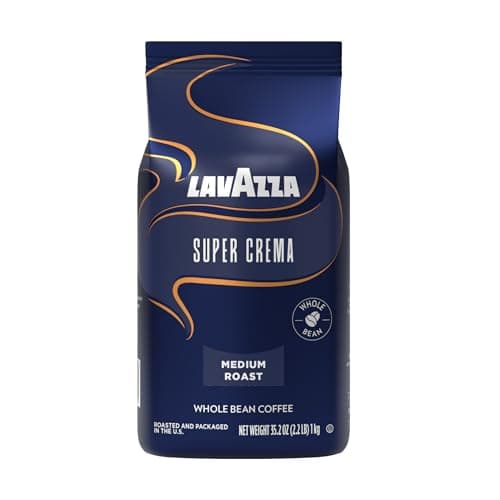
The Best Coffee Beans for Espresso in 2026
Five whole-bean espresso picks — from a crema-rich Lavazza blend to Stumptown and Intelligentsia — with the roast, freshness and robusta guidance to choose your own.
$26.99top pick on AmazonRead more →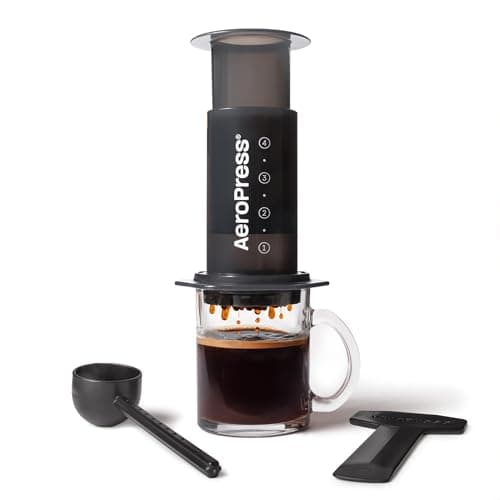
How to Use an AeroPress, Step by Step
A step-by-step AeroPress guide: the right grind, ratio and water temperature, the standard and inverted methods, how to fix a bitter or sour cup, cleanup, and which AeroPress to buy.
$39.95top pick on AmazonRead more →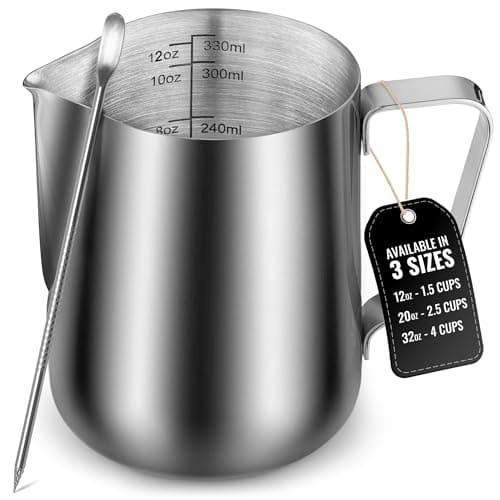
How to Steam Milk for Lattes at Home
A step-by-step guide to steaming milk for lattes: the two phases of microfoam, the target temperature, the right pitcher and milk, common mistakes, and how to froth without a steam wand.
$12.99top pick on AmazonRead more →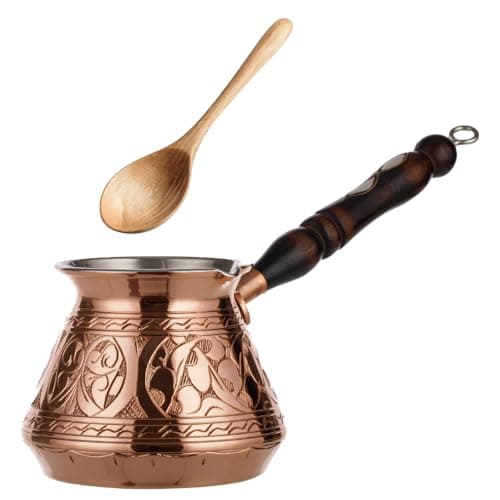
How to Make Turkish Coffee, Step by Step
A step-by-step Turkish coffee guide: the powder-fine grind, the cold-water ratio, the slow low heat, why you never let it boil, how to share the foam, and which cezve to buy.
$43.99top pick on AmazonRead more →Coffee vs Americano: What's the Difference?
Americano vs drip coffee in plain language: an Americano is diluted espresso (roasty, fuller-bodied), drip is gravity-brewed and cleaner — plus how their caffeine really compares.
Read more →Cappuccino vs Latte: What's the Difference?
Cappuccino vs latte in plain language: both are espresso plus steamed milk — the difference is the milk-to-foam ratio, foam texture, strength and cup size, plus where flat white and cortado sit.
Read more →Macchiato vs Cortado: What's the Difference?
Macchiato vs cortado in plain language: an espresso macchiato is a shot 'marked' with a splash of milk and foam, while a cortado is a balanced ~1:1 espresso-and-milk drink in a small glass. We also untangle the latte macchiato confusion.
Read more →Latte vs Flat White: What's the Difference?
Latte vs flat white in plain language: both are espresso plus steamed milk, but the flat white is smaller (~5-6 oz), often built on a double ristretto with silky microfoam throughout, while the latte is larger (~8-12 oz) with more milk and a thicker foam cap.
Read more →Ristretto vs Espresso vs Lungo: What's the Difference?
Ristretto vs espresso vs lungo in plain language: same coffee dose, different yield and extraction. Ristretto is a short ~1:1 shot (sweeter, intense), espresso is the standard ~1:2, and lungo is a long ~1:3-1:4 shot (bigger, more extracted, more bitter).
Read more →How Much Caffeine Is in Espresso?
How much caffeine is in espresso: a single shot is about 63 mg (range ~60-80 mg), a double around 125 mg, versus roughly 95 mg in an 8 oz drip coffee. Espresso is stronger per ounce, but a shot has less total caffeine than a mug — plus the factors that move the numbers.
Read more →The Coffee-to-Water Ratio, Explained
The coffee-to-water ratio in plain language: the golden ratio, the numbers by weight for espresso, pour over, French press, AeroPress and cold brew, and why a scale beats a scoop.
Read more →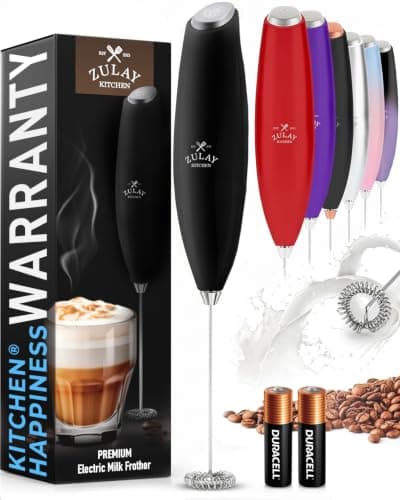
How to Froth Milk Without a Frother
Five no-frother ways to foam milk at home — jar and microwave, French press pump, whisk or fork, immersion blender, and a cheap handheld frother — with the honest limits of each and the upgrade worth buying.
$8.99$16.9947% offtop pick on AmazonRead more →How to Clean an Espresso Machine
A complete home espresso machine cleaning routine — daily steam wand and portafilter care, weekly backflushing with detergent, and periodic descaling — plus why each step protects your coffee and your machine.
Read more →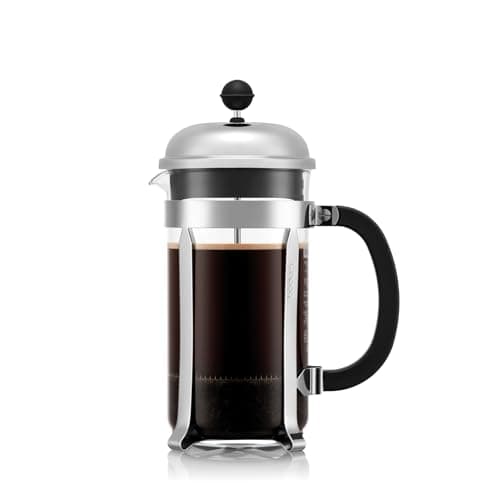
How to Make French Press Coffee
The full French press method: 1:15 ratio, coarse grind, water just off the boil, a 4-minute steep, and the decanting step almost everyone skips. Plus how to fix a bitter or silty cup.
$39.69top pick on AmazonRead more →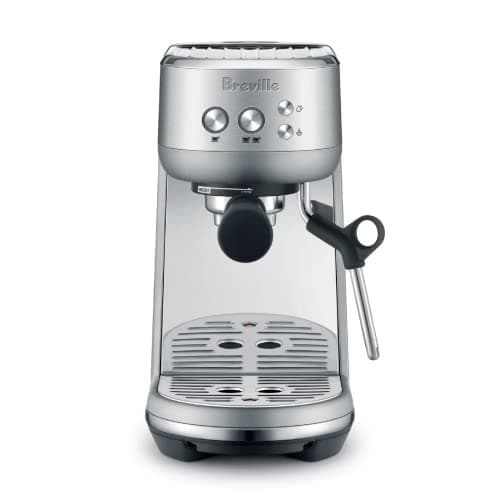
What Is Espresso?
Espresso is a method, not an ingredient: roughly 9 bar of pressure forced through finely ground coffee in 25-30 seconds. What that produces, what crema is, and how every cafe drink is built from it.
$299.95top pick on AmazonRead more →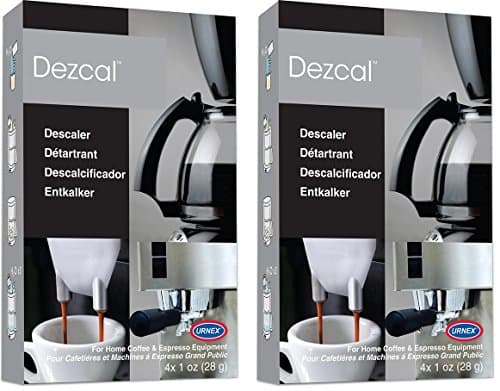
How to Descale an Espresso Machine
Descaling explained: why it's different from cleaning, how often to do it based on your water, why vinegar is a false economy, and the full cycle step by step.
$16.94top pick on AmazonRead more →Coffee Beans vs Espresso Beans: What's Actually Different?
Espresso beans and coffee beans come from the same plant and the same cherries. What differs is roast level, blending and grind — and why using a light filter roast in an espresso machine so often tastes sour.
$26.99top pick on AmazonRead more →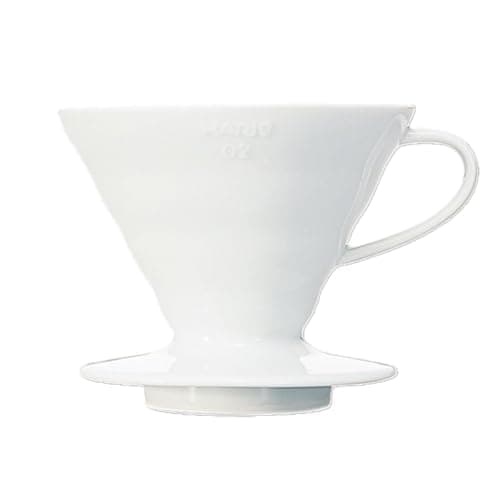
How to Make Pour Over Coffee
The full pour over method: 1:16 ratio, medium-fine grind, water at 200-205°F, a 30-45 second bloom and a three-pour schedule — plus how to read a brew that finished too fast or too slow.
$25.00$30.5018% offtop pick on AmazonRead more →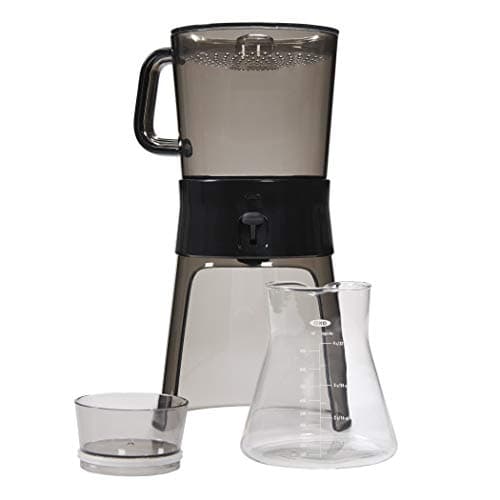
How to Make Cold Brew Coffee at Home
The full cold brew method: 1:8 concentrate, coarse grind, 12-18 hours, then dilute to taste. Why cold brew tastes smoother than iced coffee, and the gear that makes it repeatable.
$49.99$59.9917% offtop pick on AmazonRead more →The Best Home Espresso Setup in 2026: Three Complete Kits
Three complete espresso setups you can buy as a list — a try-it kit, a sweet-spot kit and a buy-once 58mm kit — each with the machine, grinder, scale and accessories that matter, and honest cons on every pick.
$299.95top pick on AmazonRead more →The Best Gifts for Coffee Lovers in 2026
Thirteen coffee and espresso gifts that get used rather than shelved — sorted by budget and by who you're buying for, with the fitment traps (portafilter size, pod system, induction) that ruin most coffee gifts, and honest cons on every pick.
$39.95top pick on AmazonRead more →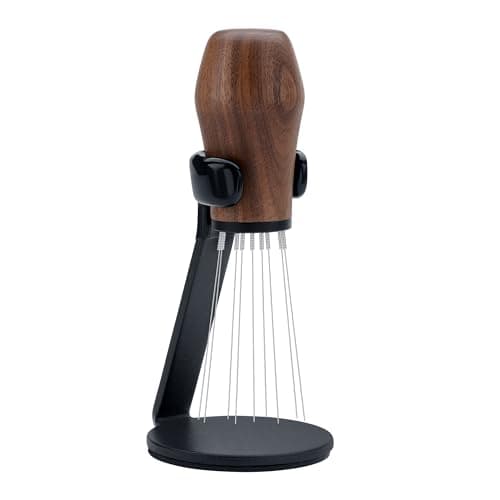
The Best Gifts for Espresso Lovers Who Already Own a Machine
Twelve gifts for the person who already owns an espresso machine — puck-prep tools, a proper scale, cups, a knock box and two grinder upgrades — sorted by portafilter size (54 mm vs 58 mm) so nothing you buy fails to fit.
$32.69top pick on AmazonRead more →The Best Coffee Gifts Under $50
Fourteen coffee gifts under $50 that get used rather than shelved — an AeroPress, a moka pot, pour-over drippers, a French press, two scales, cups and puck-prep tools — sorted by the kind of drinker you're buying for, with live prices and honest cons.
$39.95top pick on AmazonRead more →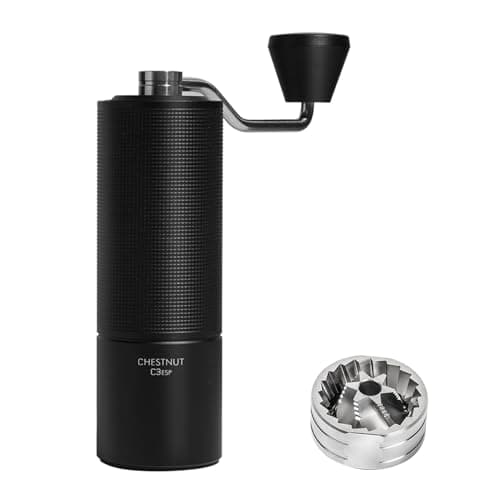
The Best Coffee Gifts Under $150
Twelve coffee gifts between $50 and $150 — hand and electric burr grinders, two first espresso machines, temperature-controlled gooseneck kettles, a travel AeroPress and a buy-once French press — chosen by recipient, with live prices and honest cons.
$68.00$99.0031% offtop pick on AmazonRead more →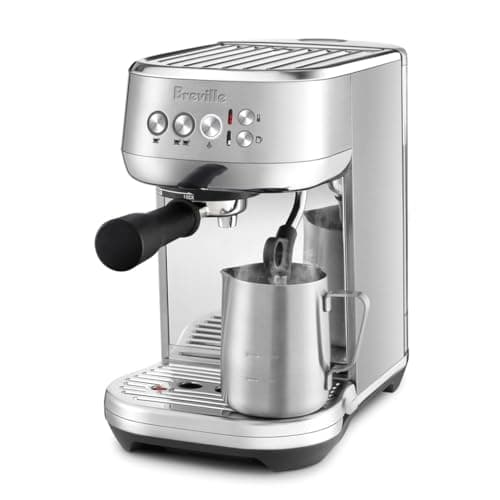
The Best Luxury Coffee Gifts: When Budget Isn't the Question
Ten luxury coffee gifts for when budget isn't the question — the Bambino Plus, Gaggia Classic, Barista Express Impress, Magnifica Evo, Rancilio Silvia and Jura E8, plus the grinders and kettle that outlast them — matched to how the recipient drinks, with live prices and honest cons.
$499.95top pick on AmazonRead more →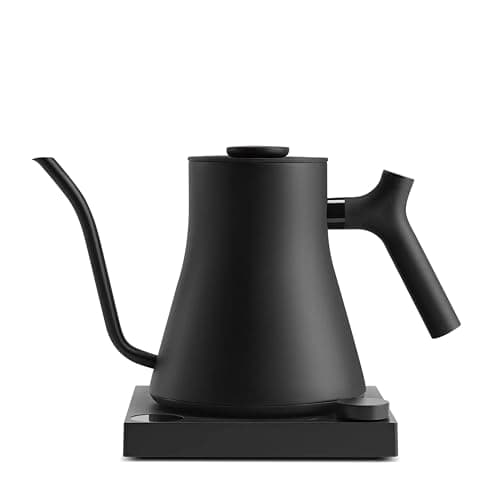
The Best Gifts for Pour-Over and French Press Drinkers
Twelve gifts for the coffee drinker with no espresso machine — two gooseneck kettles, two scales, three drippers, two French presses and three grinders built for filter coffee — sorted by what they already own, with the one grinder mistake to avoid, live prices and honest cons.
$179.95top pick on AmazonRead more →Black Friday & Cyber Monday Coffee and Espresso Gear Deals 2026
The evergreen Black Friday and Cyber Monday hub for coffee and espresso gear: what has historically discounted (Breville, De'Longhi, Fellow, AeroPress, Baratza), what rarely does, buy-now vs wait guidance per product class, our current top picks with live prices, and the verified deals when they go live in November.
$499.95top pick on AmazonRead more →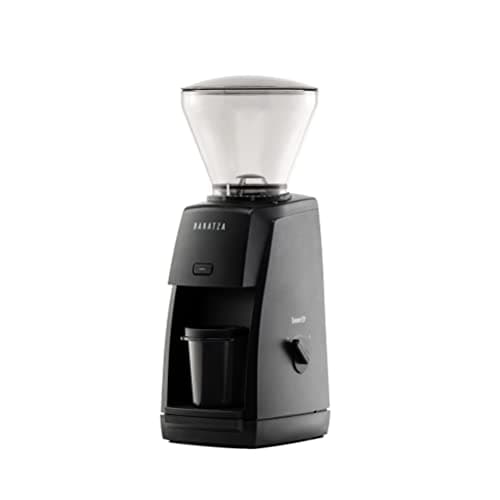
How to Clean a Coffee Grinder
The full burr grinder cleaning routine, based on manufacturer guidance: how often, what tools to use, how to clear a blocked chute, and why water and rice are the wrong answers.
$199.95top pick on AmazonRead more →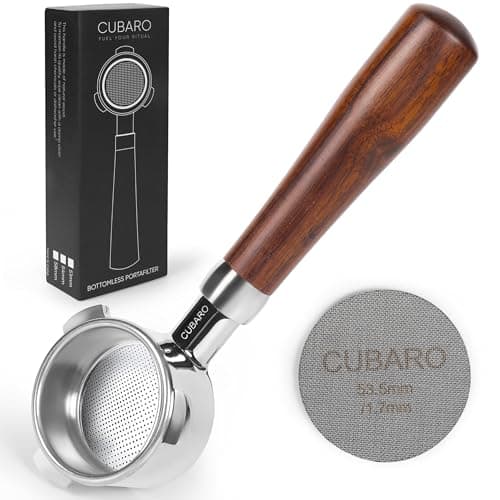
Pressurized vs Non-Pressurized Portafilter: What's the Difference?
How a pressurized (dual-wall) basket creates artificial back-pressure, why its crema is aerated rather than emulsified, when to switch to a single-wall basket, and what you need in place first.
$34.99$39.9913% offtop pick on AmazonRead more →Do You Need a Grinder for Espresso?
Why espresso needs a grinder in a way filter coffee does not — grind as the only real control variable, what staling costs you, and the cheapest grinders that genuinely reach espresso fineness.
$199.95top pick on AmazonRead more →What Water to Use in an Espresso Machine
The SCA's published water standard in full, why Breville and other manufacturers warn against distilled and de-mineralised water, how to find out what comes out of your tap, and the four options ranked.
$16.94top pick on AmazonRead more →The Best Coffee Beans for a Moka Pot in 2026
Four whole-bean picks for stovetop moka coffee — a crema-rich Italian blend, a balanced medium, a dark roast for milk and a specialty blend — with the roast guidance to choose your own.
$26.99top pick on AmazonRead more →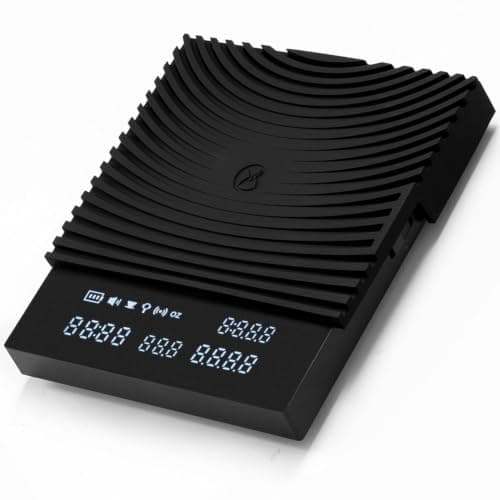
Do You Need a Scale for Espresso?
Why espresso needs a scale in a way filter coffee does not — dose and yield as the only numbers you control — plus three scales worth buying and the one case where you can skip it.
$59.00top pick on AmazonRead more →Why Is My Espresso Sour?
Sour espresso diagnosed in order: grind too coarse, ratio too long, water too cool, channelling and stale-or-light beans — with the single corrective change for each cause.
$199.95top pick on AmazonRead more →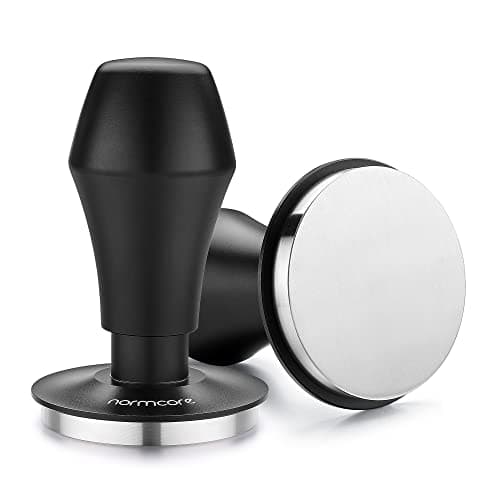
How to Tamp Espresso
The tamping method in five steps, why a level puck beats a hard one, how to tamp without a tamper, and the calibrated tamper, distributor and WDT tools that remove the variable entirely.
$42.99top pick on AmazonRead more →9 Bar vs 15 Bar Espresso Machines
Why home machines advertise 15, 19 or 20 bar when espresso extracts at around 9 — what a pump rating measures, which specs actually matter instead, and three machines that illustrate the point.
$299.95top pick on AmazonRead more →How to Store Coffee Beans
Airtight, opaque, cool and dark — the National Coffee Association's storage guidance, its published freshness windows for beans and grounds, the honest answer on freezing, and why buying smaller bags beats any container.
$26.99top pick on AmazonRead more →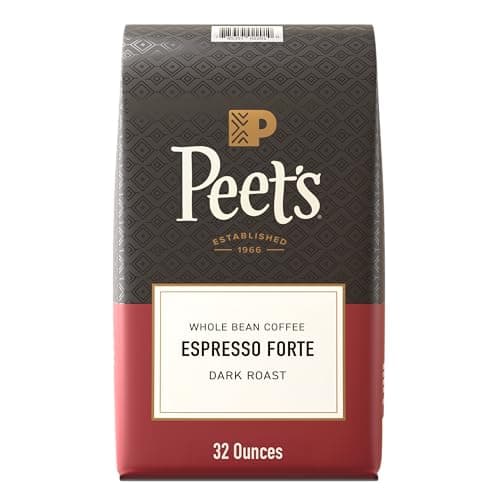
Light Roast vs Dark Roast Espresso: Which Should You Buy?
What roast level actually does to an espresso shot - grind, extraction difficulty, crema, body and caffeine - plus which roast suits a pressurized basket, a milk drink or a stepless grinder.
$32.39top pick on AmazonRead more →Espresso Channeling: What Causes It and How to Fix It
Channeling explained: why a shot can taste sour and bitter at once, how to see it with a bottomless portafilter, and the five causes ranked by how often they are the real one.
$32.69top pick on AmazonRead more →How Many Grams for a Double Shot of Espresso?
The dose for a double shot - about 18 g in and 36 g out on a standard 58mm basket - plus the right numbers for 51mm and 54mm baskets, how to find your basket's dose, and why both halves get weighed.
$59.00top pick on AmazonRead more →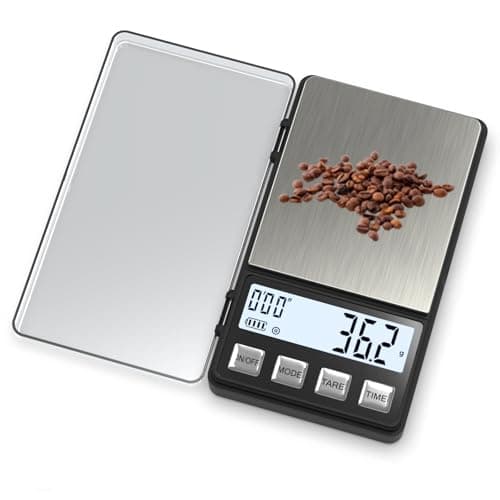
Why Is My Espresso Puck Wet?
Why a wet espresso puck is usually normal rather than a fault, how the three-way solenoid valve decides it, and the three symptoms that mean something genuinely needs changing.
$13.99top pick on AmazonRead more →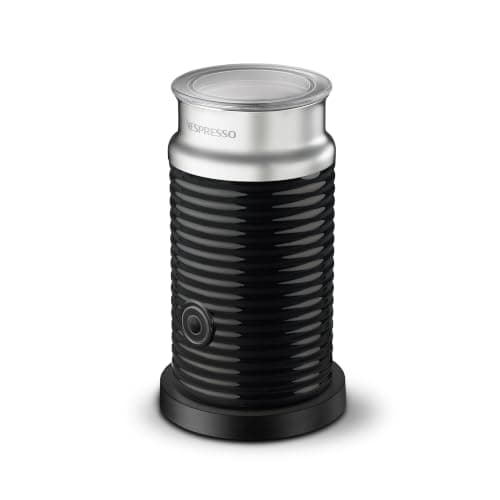
How to Clean a Milk Frother
The thirty-second after-every-use routine for a steam wand, handheld whisk, jug frother and automatic carafe, the deep clean when milk has already baked on, and the two mistakes that damage frothers.
$63.99$99.0035% offtop pick on AmazonRead more →The Best Coffee Beans for a Latte
Five coffee beans for lattes, chosen on the published roast level and tasting notes that actually survive steamed milk — a 60/40 Italian blend for body and crema, a milk-chocolate medium roast, a dark roast for a 16 oz cup, and the one specialty blend that is better in a flat white than a latte.
$26.99top pick on AmazonRead more →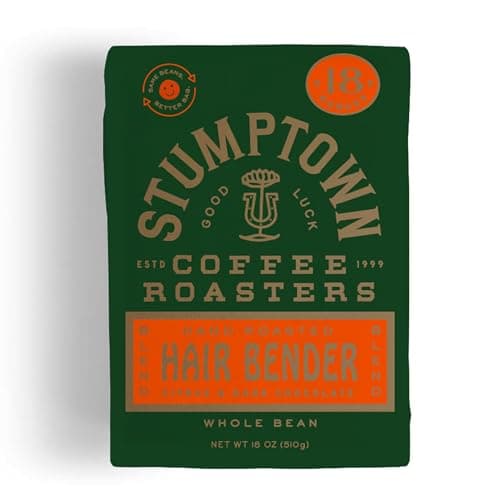
The Best Coffee Beans for Cold Brew
Five whole-bean coffees for cold brew, ranked on published roast level, blend composition and the maker's own tasting notes - with the cost-per-batch arithmetic that matters when a single batch takes 100 g of coffee.
$18.95top pick on AmazonRead more →Cold Brew vs Iced Coffee
The real difference between cold brew and iced coffee: brew temperature, steep time, acidity, strength and caffeine - plus which method suits which drinker, and the two pieces of gear each one needs.
$49.99$59.9917% offtop pick on AmazonRead more →Single Shot vs Double Shot Espresso
What actually separates a single from a double shot: dose and yield, basket geometry, caffeine, and the reason a single basket is harder to pull well - with the three pieces of gear that make either one repeatable.
$59.00top pick on AmazonRead more →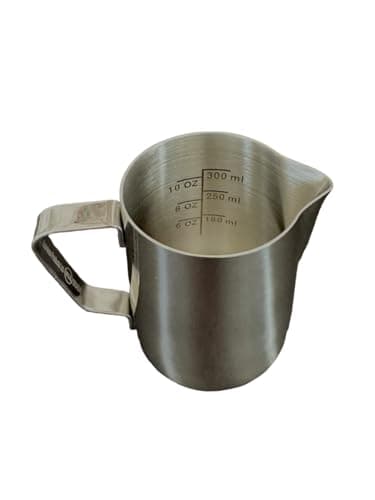
How to Make a Latte at Home
The full latte method: the standard ratio, the 140-150F milk window, how to texture milk on a steam wand or an electric frother, the pour, and the three ways to make a latte without an espresso machine.
$16.95top pick on AmazonRead more →Prices shown are the featured pick on Amazon as of October 17, 2026 and are subject to change. The price shown on Amazon at checkout applies.
The knowledge that makes the gear work
Buying the right gear is half the battle; using it well is the other half. These guides answer the questions home coffee people actually ask — from "what grind size do I need?" to "why is my espresso bitter?" — in plain language, with the facts sourced and the math shown. They are written to be genuinely useful whether you own a $50 moka pot or a $1,000 machine.
Start here if you are new
If you are just getting into home espresso, begin with home espresso for beginners— it lays out the whole decision, from machine and grinder to the few accessories worth buying. When you want the actual shopping list rather than the reasoning, our best home espresso setupguide builds three complete kits — machine, grinder, scale and accessories — at three budgets, and if you are buying for somebody else, gifts for coffee lovers sorts thirteen picks by budget and by what the recipient already owns. Then coffee vs espresso explains what actually separates the two drinks, and the grind size chartgives you one reference for every brew method. Decoding the café menu? See cappuccino vs latte, latte vs flat white, macchiato vs cortado, ristretto vs espresso vs lungo and how much caffeine is in espresso.
Gift guides and the Black Friday hub
Buying for someone else is its own problem, so the gift guide has grown into a small cluster sorted the way gift decisions actually go. By recipient: gifts for espresso lovers who already own a machine (sorted by portafilter size so nothing fails to fit) and gifts for pour-over and French press drinkers. By budget: coffee gifts under $50, under $150 and luxury coffee gifts for when budget is not the question. Every pick is a product we already cover, with the live price on the button. And if you are shopping in November, our Black Friday and Cyber Monday coffee gear deals hub sets out what has historically discounted in this category and what has not, with sources, so you can decide whether to buy now or wait — verified deals are posted there when they go live.
Technique and troubleshooting
Once you have the gear, the how-tos take over: how to pull an espresso shot, how to use a moka pot, how to steam milk for lattes (or froth milk without a frother), how to make Turkish coffee, and, when something tastes off, why is my espresso bitter or espresso channeling, which is the fault behind a shot that manages to be bitter and sour at once — plus why is my espresso puck wet for the symptom most people misread as a fault, how to clean a milk frother for the half of the machine milk actually touches, plus how to clean your espresso machine and how to clean a coffee grinderso both keep tasting right — and what water to use, which is the thing that decides whether you are descaling every month or every six. Most coffee problems come down to grind size, dose — see how many grams go in a double shot for the number your basket actually wants — and coffee-to-water ratio; the guides show you how to read the cup and fix it. If your shots look right and taste hollow, check which basket your machine is using in pressurized vs non-pressurized, and if you have not bought a grinder yet, do you need a grinder for espresso answers that first.
The math nobody else publishes
Our signature guide, the true cost of home espresso, works out what a home setup actually costs per shot — upfront gear, beans per dose, milk and electricity — and when it beats a daily cafe habit. It is the kind of transparent, reproducible reasoning we would rather publish than a fake test-lab claim. Buying beans, too? See the best coffee beans for espresso, the best coffee beans for cold brew and light roast vs dark roast espressofor which roast your machine's basket can actually use.
Frequently asked questions
What grind size do I need for each brew method?
Espresso needs a fine grind (finer than table salt); moka pot is a touch coarser; pour over and drip are medium (like table salt); French press is coarse (like sea salt or breadcrumbs); cold brew is extra coarse. These are starting points — dial in from there based on taste. See our grind size chart for a full reference.
Why does my coffee taste bitter or sour?
Bitter usually means over-extraction — the grind is too fine, the dose too low, the shot too long, or the water too hot. Sour usually means under-extraction — the grind is too coarse or the shot too short. Adjust one variable at a time; our 'why is my espresso bitter' guide walks through the fixes in order.
Is making espresso at home cheaper than buying it?
Over time, usually yes — but it depends on how much gear you buy and how often you brew. Our true cost of home espresso guide works out the per-shot cost of beans, milk and electricity against the upfront gear, and shows roughly when a home setup pays for itself versus a daily cafe latte.