How-To
How to Use a Moka Pot, Step by Step
Rich, espresso-adjacent coffee on any stovetop — if you get the water level, grind and heat right. Here's the full method, the mistakes that make it bitter, and how to keep the pot clean.
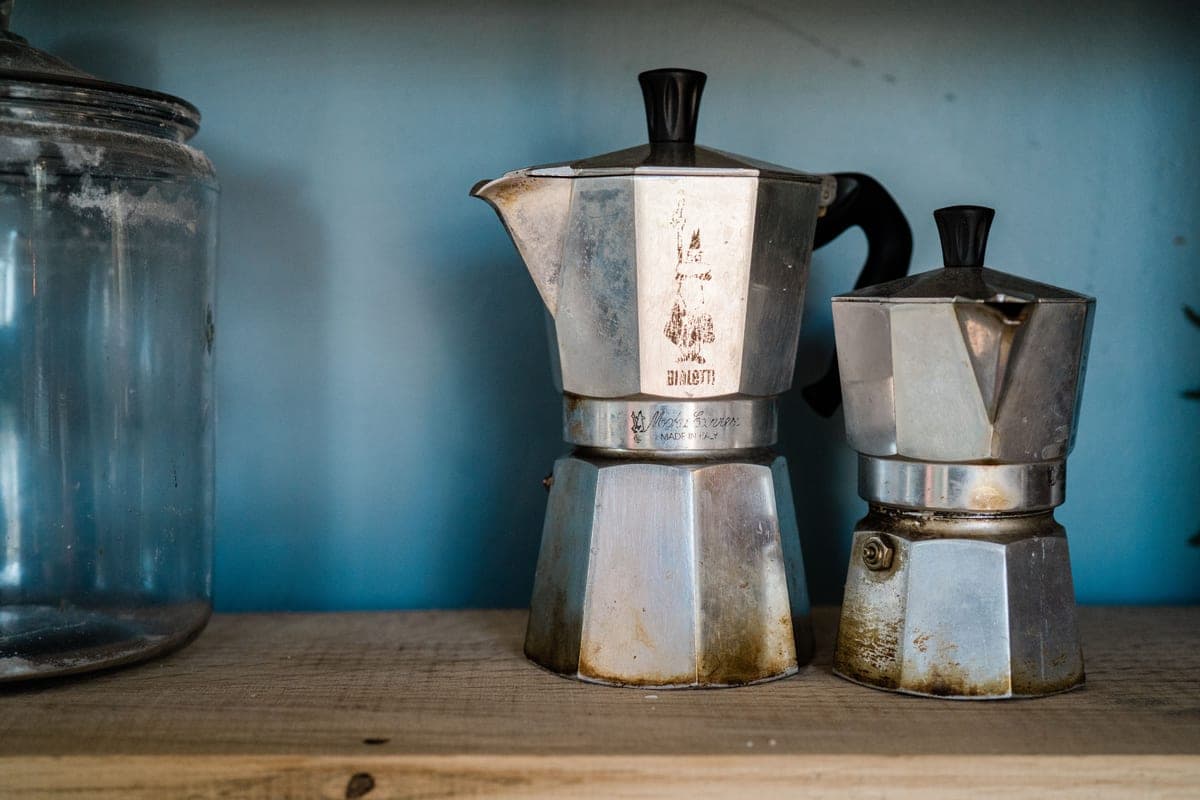
A moka pot is the best value in coffee. For the price of a few bags of beans it makes a strong, concentrated, espresso-adjacent brew on any stovetop, with no electricity and almost nothing to break. It is nottrue espresso — a moka pot brews at only about 1–2 bar of pressure versus espresso's roughly 9, so you won't get real crema — but done right it's rich, syrupy and deeply satisfying. Done wrong it's bitter and burnt. The difference is entirely technique, and it's easy to learn.
What you need
The whole kit is short: a moka pot, fresh coffee ground fine-medium, hot water and a stovetop. That's it.
| Moka pot | Any size (measured in 2 oz 'cups') |
|---|---|
| Coffee | Fine-medium grind, fresh |
| Water | Hot / pre-boiled, filtered if possible |
| Heat source | Stovetop (gas, electric, or induction-safe pot) |
| Brew pressure | ~1-2 bar (not true espresso) |
One note on sizing: moka pot "cups" are espresso-sized, roughly 2 oz each, not mugs. A 6-cup pot makes about 10–12 oz of concentrated coffee total. And moka pots brew best when filled to their rated capacity, so buy the size you'll actually make at once rather than a giant pot you'll run half-empty.
The step-by-step method
- Fill the bottom chamber with hot water — up to the safety valve, not over it.Use pre-boiled or hot water. Starting hot means the pot spends less time on the heat, which keeps the grounds from cooking and turning bitter. Never fill above the little safety valve on the inside wall — that valve has to stay clear to work.
- Fill the funnel basket with coffee, level it off, and do NOT tamp.Add fine-medium ground coffee until the basket is full, then level the top with a finger. Unlike espresso, a moka pot needs a loose bed — tamping builds too much resistance, clogs the pot and forces bitter, over-extracted coffee (or triggers the safety valve).
- Assemble and screw the top on tightly. Seat the basket in the base and screw the top firmly onto the bottom so no steam escapes the seal. If the base is already hot from the water, hold it with a towel.
- Put it on medium-low heat with the lid open. Moderate heat is the whole secret. Too high scorches the coffee; too low drags it out. Keep the lid up so you can watch the flow and react.
- Watch for the coffee to rise.After a minute or two, coffee will start streaming up into the top chamber. It should flow steadily, a rich dark stream — not sputter violently, which means the heat is too high.
- Pull it off the heat at the first gurgle.When the stream turns pale, blond and starts to hiss or gurgle, the water's nearly gone and only steam is left. Take the pot off the burner immediately— anything after this point is burnt, bitter steam-brewed coffee.
- Cool the base to stop extraction (optional but recommended). Run the bottom under cold tap water for a few seconds or set it on a wet towel. This halts brewing fast and helps prevent that last bitter push.
- Stir and serve.Give the top chamber a quick stir to even out the brew — the first and last coffee out differ — then pour. Drink it straight, cut it with hot water for an Americano-style cup, or top with steamed or frothed milk.
The right grind for a moka pot
Grind is where most moka pots go wrong. You want fine-medium— finer than drip or pour over, but coarser than true espresso. Think somewhere between espresso powder and table salt. Too fine and the bed clogs, the pressure builds, and you get bitter, over-extracted coffee (or the safety valve vents). Too coarse and water rushes through weak and sour. If you're dialing it in, keep the grind size chart handy and adjust a notch at a time.
Common mistakes (and why your moka coffee is bitter)
If your moka pot coffee tastes harsh, burnt or bitter, it's almost always one of these:
- Heat too high. The most common culprit. High heat scorches the grounds and rushes a sputtering, bitter extraction. Drop to medium-low.
- Leaving it on the burner past the gurgle. Once you hear that hiss, the good coffee is out; everything after is bitter steam. Pull it off the second it gurgles.
- Tamping the grounds.A moka pot is not an espresso machine — fill level and leave it loose. Tamping over-extracts and can clog the pot.
- Grind too fine. Fine-medium, not espresso-fine. Too fine builds pressure and bitterness.
- Overfilling the water above the valve, which is both unsafe and dilutes the brew. Keep it below the safety valve.
- Starting with cold water, which leaves the pot on the heat too long and cooks the grounds. Start hot.
Curious how a moka pot really stacks up against a proper machine? We compare them head to head in moka pot vs espresso machine.
Cleaning and care
Moka pots reward a little maintenance and punish neglect — rancid coffee oils are a real flavor-killer.
- Rinse with hot water after every useand let all three parts air-dry fully before reassembling. For traditional aluminum pots, skip dish soap — it can leave a taste and strip the seasoned interior. Wipe stubborn residue with water and a soft cloth.
- Never put an aluminum moka pot in the dishwasher. It dulls, oxidizes and can pit the metal. Stainless pots are more dishwasher-tolerant, but hand-washing is still kinder.
- Check the rubber gasket and filter plate. The seal wears out over time; when it hardens or leaks, replace it. A worn gasket is a common cause of weak brews and sputtering.
- Store it disassembled and dry so no moisture sits inside and the seal lasts longer.
Which moka pot should you buy?
If you're buying your first one, the Bialetti Moka Expressis the default recommendation — the original octagonal aluminum design that's been in production since 1933, cheap, widely available and endlessly repairable with off-the-shelf gaskets. It's the pot most stovetop coffee guides picture, and for good reason.
One caveat: the classic Moka Express is aluminum and won't work on an induction cooktop without an adapter, and it's hand-wash only. If you have an induction stove or want a dishwasher-friendly stainless pot, or you're after a crema-boosting model, see our full best moka pot roundup for the alternatives.
Frequently asked questions
How much water do I put in a moka pot?
Fill the bottom chamber with hot water up to — but never above — the small safety valve on the inside wall. That valve has to stay clear to release pressure safely. Using pre-boiled hot water keeps the pot on the heat for less time, which prevents the grounds from cooking and turning bitter.
Should I tamp the coffee in a moka pot?
No. Fill the funnel basket with fine-medium ground coffee, level the top, and leave it loose. Tamping — which you do for espresso — builds too much resistance in a moka pot, clogging it, over-extracting bitter coffee, and potentially forcing the safety valve to vent. Level and loose is the rule.
Why is my moka pot coffee bitter or burnt?
Usually heat that's too high or leaving the pot on the burner too long. Brew on medium-low and pull it off the heat the moment the stream turns pale and starts to gurgle — everything after that is burnt steam-brewed coffee. A grind that's too fine or tamped grounds also cause bitterness.
What grind size does a moka pot need?
Fine-medium — finer than drip or pour over but coarser than true espresso, roughly between espresso powder and table salt. Too fine clogs the pot and turns bitter; too coarse brews weak and sour. A burr grinder gives the even grind that tastes cleanest.
Is moka pot coffee the same as espresso?
No. A moka pot brews at only about 1 to 2 bar of pressure, while espresso uses around 9 bar, so a moka pot makes a strong, concentrated, espresso-adjacent coffee without true crema. It's an excellent low-cost way to make intense coffee, but it isn't technically espresso.
Sources
Keep reading
Buying your first setup?
See how we pick — compiled specs, cost-per-shot math, and honest trade-offs — then dig into the guides. No fake test lab, no rankings for hire.