Comparison
Moka Pot vs Espresso Machine: The Real Difference
One brews at about 1-2 bar for a few dollars; the other forces water through the puck at 9 bar. Here's what that actually changes in the cup, in your wallet, and in your morning.
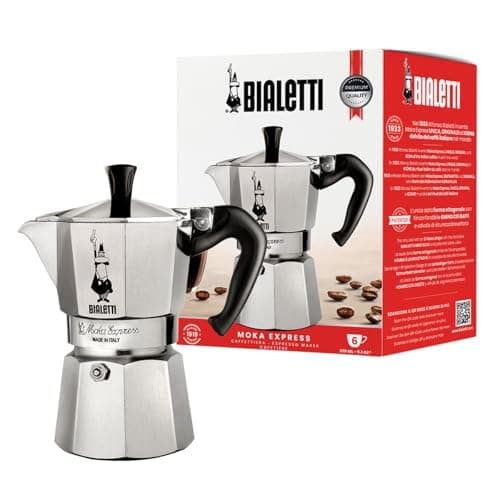
People shop for a "stovetop espresso maker" and end up disappointed, because a moka pot and an espresso machine aren't two versions of the same thing — they make genuinely different drinks. The gap comes down to one number: pressure. A moka pot brews at about 1–2 bar; a real espresso machine forces water through the coffee at around 9 bar. That single difference cascades into crema, cost, effort and how good your coffee can ever get. Here's the honest comparison.
The short answer
Buy a moka potif you want strong, intense, low-cost coffee — especially for Americanos or milk drinks — without spending much or learning much. Buy an espresso machineif you specifically want true espresso: a concentrated shot with real crema, and the base for café-quality lattes and cappuccinos. A moka pot is not a cheap espresso machine; it's a different, wonderful thing that happens to make espresso-adjacent coffee. If crema and true espresso matter to you, no moka pot will get you there.
At a glance
| Attribute | Moka pot | Espresso machine |
|---|---|---|
| Brew pressure | ~1-2 bar | ~9 bar at the puck |
| True espresso / crema | No (espresso-adjacent) | Yes |
| Typical cost | Budget | Entry to premium |
| Electricity | None (stovetop) | Required |
| Learning curve | Low | Moderate to high |
| Milk steaming | No (needs a separate frother) | Yes (built-in wand, most) |
| Grinder | Medium-fine burr grind | Fine, precise espresso grind |
| Quality ceiling | Strong, flat, intense | Café-level shots |
| Countertop footprint | Tiny | Moderate to large |
Pressure: the core difference
Espresso is defined by pressure. A pump-driven machine pushes hot water through a tightly packed, finely ground puck at roughly 9 bar— nine times atmospheric pressure. That force extracts quickly and, crucially, emulsifies the coffee's oils and dissolved CO2 into crema, the reddish-brown foam that sits on top of a real shot.
A moka pot works completely differently. As water in the base heats, steam pressure — only about 1–2 bar— pushes water up through the grounds and into the top chamber. That's enough to make a strong, concentrated coffee, but nowhere near enough to build true crema. What you sometimes see foaming on top of moka coffee is mostly CO2 bubbles, not the stable emulsion of espresso crema. This is why a moka pot is best described as espresso-adjacent: intense and lovely, but not technically espresso. We go deeper on the science in coffee vs espresso.
Cost
This is the moka pot's home turf. A classic aluminum pot costs about the same as a few bags of beans, needs no electricity, and has almost nothing to break — the gasket and filter plate are cheap consumables. It's the lowest-cost way to make strong coffee, full stop.
An espresso machine is a bigger commitment. Even an entry machine costs many times more than a moka pot, and there's a hidden second cost: espresso demands a good grinder far more than moka does, so a realistic budget is machine plus grinder. We break the full picture down in the true cost of home espresso. If budget is the deciding factor, the moka pot wins easily.
There is a middle path worth knowing about: a manual lever press generates a real 9 bar by hand, so it needs no pump and no boiler and costs far less than an electric machine — our best manual espresso machines guide covers the field.
Effort and learning curve
A moka pot is close to foolproof: fill the base with water, add ground coffee to the basket, screw it together, and put it on low heat until it gurgles. There's a knack to it — use the right grind, keep the heat low, and pull it off the stove the moment it starts to sputter — but you'll get a decent cup on day one. Our how to use a moka pot guide covers the details.
An espresso machine asks more of you. Dialing in a shot means matching grind size, dose and tamp so the water takes the right time to pass through, then learning to steam milk if you want lattes. It's a genuinely rewarding skill, but it is a skill — expect a week or two of practice before shots are consistent. Our how to pull an espresso shot guide walks through it.
Quality ceiling
A moka pot has a relatively low, flat ceiling — in a good way. It reliably makes strong, bold, slightly heavy coffee, and there's a limit to how much better dialing it in gets you. That predictability is part of the charm.
An espresso machine's ceiling is far higher, but you have to climb to it. Fed a good grinder, fresh beans and decent technique, even a modest machine makes textured, sweet, crema-topped shots a moka pot simply can't. Fed pre-ground supermarket coffee, though, a machine can easily make worse coffee than a moka pot. The ceiling is high; reaching it takes the grinder and the practice.
Milk drinks
If lattes, cappuccinos and flat whites are the goal, this matters a lot. Most espresso machines include a steam wandthat both makes the espresso base and texturizes milk into microfoam — the whole café drink from one device.
A moka pot makes only the coffee. You can absolutely build a milk drink on moka coffee, but you'll need a separate milk frotherto steam or froth the milk. It works, and it's a cheap combo, but it's two devices doing what one espresso machine does — and the base won't have crema to stand up to the milk the way a real shot does.
A pot and a machine to start with
If you land on the moka pot side, the classic Bialetti Moka Express is the default for a reason: cheap, proven and repairable forever. See the full field in our best moka pot guide.
If you want true espresso, the Breville Bambino is the machine we point most beginners toward: it heats in about three seconds, runs a real 54mm portafilter with pre-infusion, and steams milk with a manual wand. More options are in our best espresso machine for beginners guide.
| Bialetti Moka Express | ~1-2 bar, aluminum, stovetop, no crema |
|---|---|
| Breville Bambino | 9 bar at puck, 54mm, ThermoJet, steam wand |
One rule holds for both: a good burr grinder does more for your cup than almost anything else. See best grinders for espresso— a moka pot wants a medium-fine grind, a machine wants a fine, precise one.
Who each is for
Get a moka pot if:you want strong coffee on a small budget, you drink it black or as an Americano, you value simplicity and no electricity, or you want a compact travel and camping brewer. It's also a great low-risk way to find out whether you even like intense, espresso-style coffee before committing to a machine.
Get an espresso machine if: you specifically want true espresso with crema, you drink milk-based café drinks daily, you enjoy the ritual and want a skill to develop, or you want a much higher quality ceiling and are willing to budget for a grinder to reach it.
The verdict
There's no single winner, because they answer different questions. If your goal is strong coffee, cheaply and simply, the moka pot is the smarter buy — and honestly, a moka pot plus a good grinder will out-drink a bad espresso setup every morning. If your goal is true espresso and café-style milk drinks, a moka pot will always leave you a little short, and only a real machine (fed by a real grinder) will get you there. Decide which drink you actually want most mornings, and the choice makes itself. Still torn on espresso versus regular coffee entirely? Start with coffee vs espresso.
Frequently asked questions
Does a moka pot make real espresso?
No. A moka pot brews at only about 1 to 2 bar of pressure, while true espresso is pulled at around 9 bar. That means a moka pot makes a strong, concentrated, espresso-adjacent coffee, but it can't build real crema or match the texture of a true shot. It's excellent coffee — just not technically espresso.
Is a moka pot cheaper than an espresso machine?
Much cheaper. A classic aluminum moka pot costs about as much as a few bags of beans and needs no electricity, while even an entry-level espresso machine costs many times more — and espresso really needs a good grinder alongside it, adding to the total. If budget is the main concern, the moka pot wins easily.
Can I make a latte with a moka pot?
Yes, but you'll need a separate milk frother to steam or froth the milk, since a moka pot only makes the coffee. Most espresso machines include a steam wand that does both. A moka-pot-plus-frother combo makes a fine milk drink for less money, but the coffee base won't have the crema of a real espresso shot.
Why does my moka pot coffee have no crema?
Because a moka pot only reaches about 1 to 2 bar of pressure, which isn't enough to emulsify the oils into stable crema — that takes the roughly 9 bar of a real espresso machine. Any foam you see on moka coffee is mostly CO2 bubbles. The Bialetti Brikka's weighted valve gets closer to a crema-like layer, but still isn't true espresso.
Which should a beginner buy first?
If you mainly want strong black coffee or Americanos on a budget, start with a moka pot — it's cheap, simple and a low-risk way to see if you like intense coffee. If you know you want lattes and cappuccinos with real crema, skip straight to a beginner-friendly espresso machine like the Breville Bambino, and budget for a grinder too.
Sources
Keep reading
Buying your first setup?
See how we pick — compiled specs, cost-per-shot math, and honest trade-offs — then dig into the guides. No fake test lab, no rankings for hire.