Buying Guide
The Best Moka Pot in 2026
Five stovetop picks for strong, espresso-adjacent coffee — chosen on material, size, induction compatibility and valve design. Plus the truth about crema and pressure before you buy.
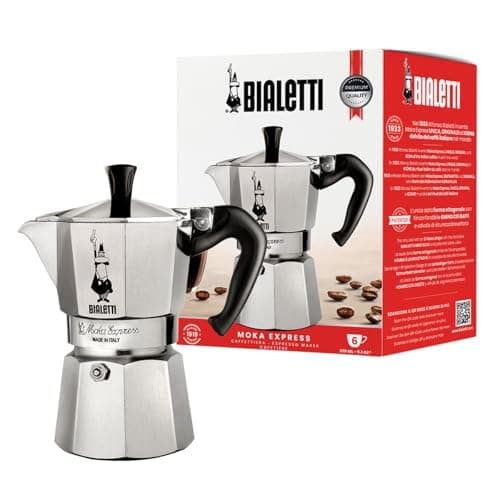
A moka pot is the cheapest way to make genuinely strong, concentrated coffee at home — no electricity, no pods, just a stovetop and a few minutes. Our overall pick is the classic Bialetti Moka Express: it's inexpensive, nearly indestructible, and the design most other pots copy. But which one is right for you comes down to a couple of details most listings gloss over: whether your cooktop is induction, and how much you care about foam on top.
How we picked
We don't run a test lab, and we won't pretend to. Every pot here was evaluated against its published manufacturer specifications, the design details that decide how it performs and how long it lasts, and verified owner feedback — our full approach is on the methodology page. For a moka pot specifically, we weighted:
- Material. Aluminum heats fast, is light and cheap, and is the traditional choice; stainless steel is heavier, more durable, dishwasher-safe and works on induction.
- Cup size.Moka "cups" are small espresso-size pours (roughly 1–2 oz each), not mugs — a 6-cup pot yields about 9 oz total. Pots brew best filled to their rated size, so buy for the amount you actually drink.
- Induction compatibility.Aluminum won't work on an induction cooktop. If that's your kitchen, you need stainless (or a hob adapter).
- Valve design.A standard safety valve releases excess pressure; the Brikka's weighted valve holds pressure longer to build a thicker pour.
At a glance
The field side by side. Tap any "view" button for the live Amazon price; the number on Amazon at checkout is the one that applies.
| Moka pot | Material | Induction? | Best for | Price |
|---|---|---|---|---|
| Bialetti Moka Express | Aluminum | No | Best overall | $52.00Buy |
| Bialetti Brikka | Aluminum | No | Crema | $45.99Buy |
| Bialetti Venus | Stainless | Yes | Induction | $45.11Buy |
| GROSCHE Milano | Aluminum | No | Budget | $44.99Buy |
| Cuisinox Roma | Stainless | Yes | Premium | $114.00Buy |
Prices shown are from Amazon as of October 17, 2026 and change often — the button always goes to the current listing. Some links may earn us a commission at no extra cost to you.
Best overall: Bialetti Moka Express (6-cup)
The Moka Express is the pot every other one is measured against. Invented in 1933, its octagonal aluminum body heats quickly and evenly, the parts are cheap and replaceable (the gasket and filter plate are consumables you can buy for pennies), and there's nothing electronic to fail. The 6-cup size is the sweet spot for one or two drinkers — roughly 9 oz of concentrated coffee.
| Material | Aluminum |
|---|---|
| Size | 6 espresso cups (~9 oz / 270 ml) |
| Induction-safe | No (aluminum) |
| Valve | Standard safety valve |
| Design | Octagonal, made in Italy |
What we like: dirt cheap, light, fast to heat, and repairable forever. The downsides: it won't work on induction, aluminum shouldn't go in the dishwasher (hand-wash, no soap, to keep the seasoning), and it makes intense coffee, not crema-topped espresso. For most kitchens it's still the right first buy.
Best for crema: Bialetti Brikka
The Brikka is Bialetti's answer to "can a moka pot make crema?" It adds a weighted valveon the upper chamber that holds back the coffee until pressure builds a little higher than a standard pot, then releases it in a burst. The result is a thicker, foamier pour with a layer of light crema on top — still not true 9-bar espresso, but the closest a stovetop gets.
| Material | Aluminum |
|---|---|
| Size | 2-cup and 4-cup versions |
| Induction-safe | No (aluminum) |
| Valve | Weighted pressure valve (builds foam) |
What we like: a genuinely different, foamier result than a standard moka pot, and a treat if you drink your coffee straight. The downsides: the weighted valve is fussier — fill levels and heat matter more, and it can sputter if you rush it — it's aluminum (no induction), and it costs more than a plain Moka Express. Buy it for the crema, not for convenience.
Best for induction: Bialetti Venus
If your kitchen has an induction or glass-top range, aluminum pots are out and the Venus is the easy answer. It's 18/10 stainless steelwith a magnetic base, so it works on every cooktop — gas, electric, ceramic and induction — and it's dishwasher-safe. The rounded body and ergonomic handle are a step up in feel from the budget stainless crowd.
| Material | 18/10 stainless steel |
|---|---|
| Size | Available 2 / 4 / 6 / 10 cups |
| Induction-safe | Yes |
| Valve | Standard safety valve |
What we like: works on every cooktop, is dishwasher-safe, and is far more durable than aluminum. The downsides: stainless heats more slowly and less evenly than aluminum, so it's a touch fussier to dial in, and it costs more than a Moka Express. For an induction kitchen, that's a trade worth making.
Best budget: GROSCHE Milano
The Milano is a clean take on the classic aluminum moka pot at a price that undercuts most of the field. You get the familiar octagonal shape, a comfortable heat-resistant handle, and a wide range of sizes from a single espresso up to a full pot. It's the pick when you want to try stovetop coffee without overthinking it.
| Material | Aluminum |
|---|---|
| Size | Available 1 / 3 / 6 / 9 / 12 cups |
| Induction-safe | No (aluminum classic) |
| Valve | Standard safety valve |
What we like: low price, lots of sizes, and a comfortable handle. The downsides: it's aluminum, so no induction and hand-wash only — if you need induction, GROSCHE also sells a stainless Milano Steel, but the classic here is aluminum. As a first moka pot on a tight budget, it's hard to fault.
Best premium: Cuisinox Roma
The Roma is the pot you buy once. It's heavy-gauge 18/10 stainless steel with a thick encapsulated base, induction-compatible, and one of the few moka pots the maker rates as dishwasher-safe. It costs several times what an aluminum pot does, and it feels it — this is the heirloom option with a long warranty to match.
| Material | 18/10 stainless steel |
|---|---|
| Size | Available 4 / 6 / 10 cups |
| Induction-safe | Yes |
| Valve | Standard safety valve |
| Care | Dishwasher-safe |
What we like: superb build, works on induction, dishwasher-safe, and backed by a strong warranty. The downsides: it's the most expensive pot here by a wide margin, and like all stainless it heats slower than aluminum. If you want a moka pot that lasts decades and matches an induction range, this is it.
How to choose a moka pot
Strip away the marketing and the decision comes down to a few questions.
Aluminum or stainless?Aluminum is cheaper, lighter and heats fast, but it can't go on induction and shouldn't go in the dishwasher. Stainless costs more and heats a little slower, but it's tougher, dishwasher-safe and works on every cooktop. Check your range first: if it's induction, you need stainless (Venus or Roma) or a hob adapter.
What size?Buy for the amount you actually drink, because a moka pot works best filled to its rated capacity. Remember these are small espresso-size cups — a 6-cup pot is about 9 oz total, roughly one large mug or two small ones.
Do you want foam? A standard pot pours flat and intense. If a layer of crema matters to you, the weighted-valve Brikka is the only pot here designed for it.
The bottom line
For most people the Bialetti Moka Expressis still the smartest buy — cheap, proven and repairable forever. Cook on induction? Get the stainless Bialetti Venus or, if you want an heirloom, the Cuisinox Roma. Chasing crema? The Bialetti Brikka is the only pot built for it. On a tight budget, the GROSCHE Milanogets you brewing for very little. Whichever you pick, remember what a moka pot is: a wonderful, low-cost way to make strong coffee — not a substitute for a real espresso machine.
Two neighbours worth reading before you commit. If you already own a press and are wondering whether a moka pot adds anything, moka pot vs French press compares the two cups directly. And if the pot is for a campsite or a rental kitchen rather than your own, our travel and camping coffee gearguide explains why a 3-cup is usually the right size to pack — and why an aluminum pot is the wrong choice if the hob turns out to be induction.
Frequently asked questions
Is moka pot coffee real espresso?
No. A moka pot brews at only about 1 to 2 bar of pressure, while real espresso is pulled at around 9 bar. That means a moka pot makes a strong, concentrated, espresso-adjacent coffee, but it won't produce true café-style crema. It's an excellent low-cost way to make intense coffee for milk drinks or Americanos, just not technically espresso.
Can I use a moka pot on an induction cooktop?
Only if it's made of stainless steel with a magnetic base, like the Bialetti Venus or Cuisinox Roma. Aluminum pots such as the Moka Express, Brikka and classic GROSCHE Milano are not magnetic and won't work on induction unless you use a separate induction hob adapter.
What grind size should I use in a moka pot?
Aim for medium-fine — finer than drip but a bit coarser than espresso, roughly the texture of table salt. Too fine and the pot can choke or taste bitter; too coarse and the coffee comes out weak and sour. A consistent burr grinder makes the biggest difference.
Which moka pot makes crema?
The Bialetti Brikka is the one designed for it. Its weighted valve holds back the coffee until pressure builds higher than a standard pot, then releases it to create a thicker, foamier pour with a light layer of crema. Standard moka pots pour flat and intense without real crema.
How many cups does a 6-cup moka pot actually make?
About 9 oz of concentrated coffee total. Moka 'cups' are small espresso-size pours of roughly 1 to 2 oz each, not full mugs, so a 6-cup pot is closer to one large mug or two small ones. Pots brew best when filled to their rated size, so buy for the amount you actually drink.
Sources
Keep reading
Buying your first setup?
See how we pick — compiled specs, cost-per-shot math, and honest trade-offs — then dig into the guides. No fake test lab, no rankings for hire.