Espresso Machines
Espresso Machines
Model reviews and 'best of' roundups measured against published specs — from a first machine to prosumer glass — with cost-per-shot math and honest cons.
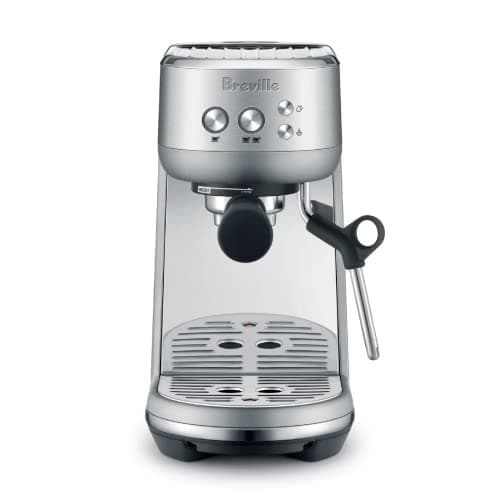
The Best Espresso Machine for Beginners in 2026
Six beginner espresso machines ranked by category — best overall, best for milk drinks, best to grow into and best budget — with the specs that matter and the grinder-first truth.
$299.95top pick on AmazonRead more →The Best Espresso Machine Under $500 in 2026
Six espresso machines under $500 ranked by category — best overall, best for milk, best to grow into, best compact and best budget — with the specs that matter and the grinder-first truth.
$299.95top pick on AmazonRead more →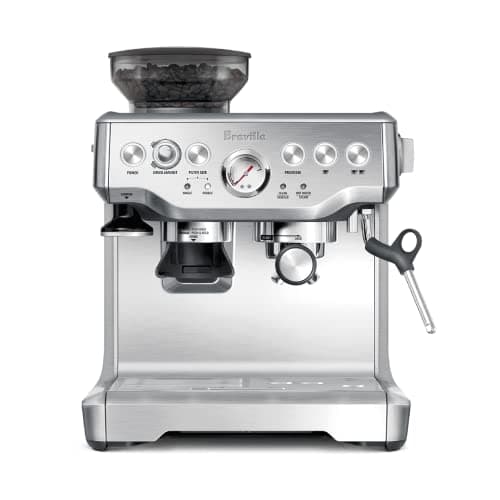
The Best Espresso Machine Under $1000 in 2026
Six espresso machines under $1000 ranked by category — best all-in-one with grinder, best assisted tamping, best to mod, best value, best guided manual and best lever.
$699.95top pick on AmazonRead more →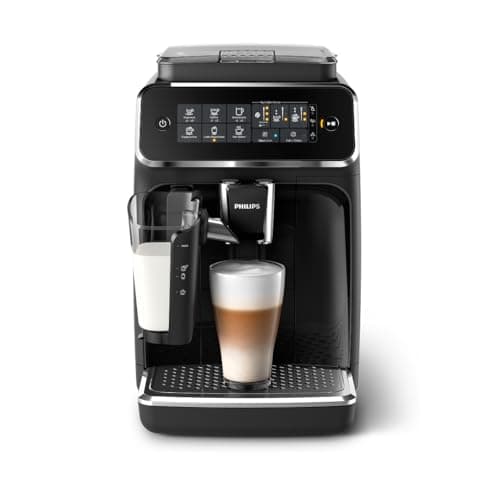
The Best Super-Automatic Espresso Machines in 2026
Six super-automatic espresso machines ranked by category — best overall value, best budget, best mid-range, best premium, best with hands-on control, and a pod-based alternative.
$550.57top pick on AmazonRead more →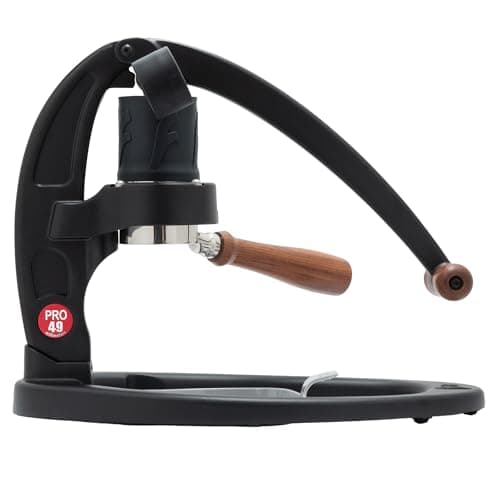
The Best Manual Espresso Machines in 2026
Five manual espresso makers ranked by job — best all-manual lever, best 58mm flagship, and the three that actually travel — plus the direct-only levers and why they are not ranked.
$359.00top pick on AmazonRead more →Breville vs De'Longhi: Which Espresso Brand Is Right for You?
Breville vs De'Longhi compared: Breville's polished semi-autos versus De'Longhi's huge range from cheap manual to full bean-to-cup, plus a Barista Express vs Magnifica Evo head-to-head.
$699.95top pick on AmazonRead more →Espresso Machine vs Nespresso: Which Should You Buy?
Espresso machine vs Nespresso compared: real 9-bar espresso and fresh grounds versus pod convenience, with cost-per-cup, crema, ceiling, and a verdict by user type.
$299.95top pick on AmazonRead more →Breville Bambino (BES450) Review
Our spec-driven Breville Bambino (BES450) review: what the numbers say, where it shines, where it frustrates, and who should buy it versus the Bambino Plus.
$299.95top pick on AmazonRead more →Breville Barista Express (BES870XL) Review
Our spec-driven Breville Barista Express (BES870XL) review: what the built-in grinder and PID actually get you, where it frustrates, and who should buy it versus the Bambino or the Impress.
$699.95top pick on AmazonRead more →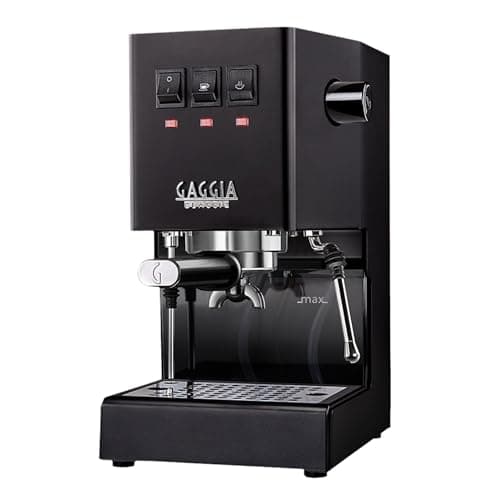
Gaggia Classic Evo Pro Review
Our spec-driven Gaggia Classic Evo Pro review: 58mm commercial portafilter, single-boiler build, the famous mod culture, and who should buy it versus a Breville.
$505.09top pick on AmazonRead more →The Best Espresso Machines With a Built-In Grinder (2026)
Six espresso machines with a built-in grinder ranked by category — best overall all-in-one, best assisted tamping, best one-touch milk, best De'Longhi, best bean-to-cup super-auto and best hands-off — with the specs that matter and the grinder trade-off.
$699.95top pick on AmazonRead more →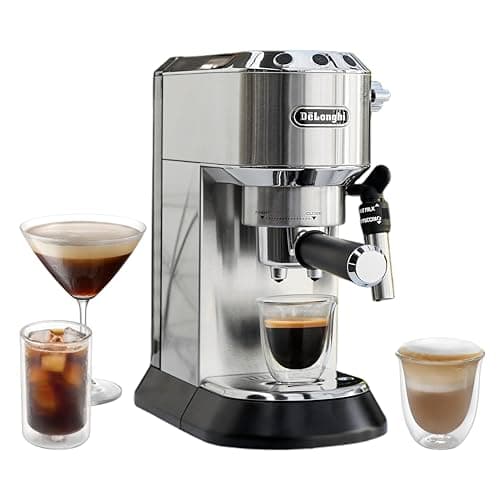
The Best Espresso Machine Under $300 in 2026
Six budget espresso makers ranked by job — best overall compact, best budget, best value stainless, the one to stretch for, best manual and best pod convenience — with the specs that matter and the grinder-first truth.
$249.00top pick on AmazonRead more →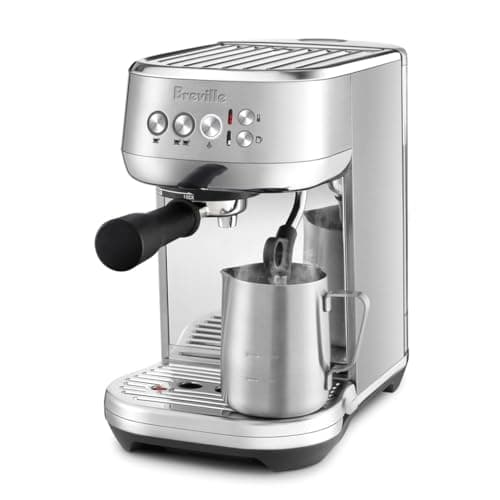
The Best Espresso Machines for Lattes & Milk Drinks (2026)
Six espresso machines for lattes and milk drinks, ranked by how they froth milk — automatic steam wand, one-touch bean-to-cup, pod-with-wand, and a standalone frother — plus what microfoam is and how to choose.
$499.95top pick on AmazonRead more →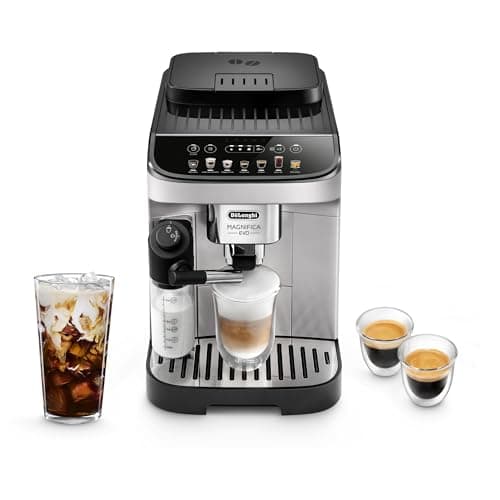
De'Longhi Magnifica Evo Review
Our spec-driven De'Longhi Magnifica Evo review: what the specs say, living with a budget bean-to-cup machine, the honest caveats, and how it stacks up to the Philips 3200 and a semi-auto.
$875.00top pick on AmazonRead more →Breville Bambino vs Bambino Plus: Which to Buy?
Breville Bambino (BES450) vs Bambino Plus (BES500): the same ThermoJet espresso core, so the real decision is manual versus automatic milk steaming — plus a bigger tank and a drier puck on the Plus.
$299.95top pick on AmazonRead more →Gaggia Classic vs Breville Bambino: Which First Machine?
Gaggia Classic Evo Pro vs Breville Bambino compared: 58mm repairable metal versus 54mm plug-and-play speed, the real differences, and which first espresso machine fits you.
$505.09top pick on AmazonRead more →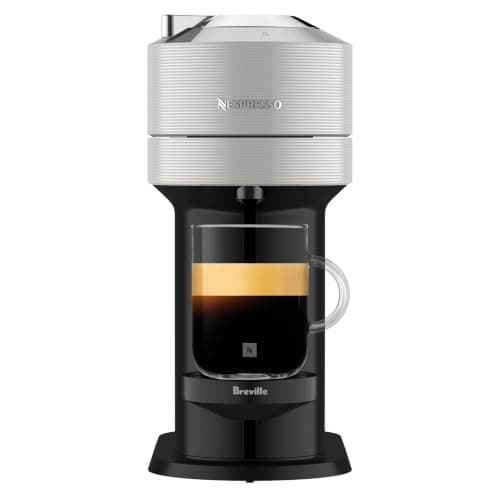
The Best Nespresso Machines in 2026
The best Nespresso machines by category — best Vertuo, best compact, best Original-line for espresso shots, best for cup-size variety and best for milk drinks — after we untangle the Original vs Vertuo decision that actually matters.
$125.99$179.9530% offtop pick on AmazonRead more →Breville Bambino Plus (BES500) Review
Our spec-driven Breville Bambino Plus (BES500) review: what the automatic steam wand, ThermoJet heater and drier-puck upgrades get right, the honest cons, and who should buy it over the base Bambino.
$499.95top pick on AmazonRead more →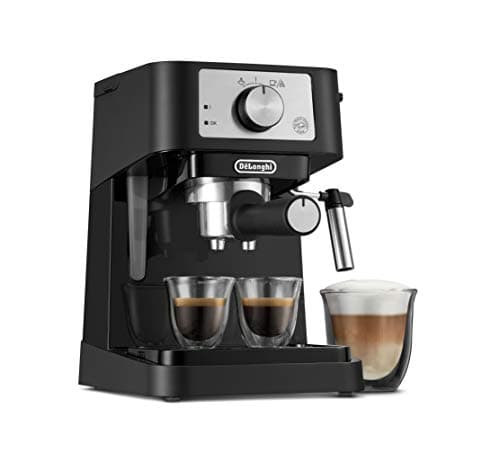
De'Longhi Stilosa (EC260) Review
Our spec-driven De'Longhi Stilosa (EC260) review: what its 15-bar pump, pressurized basket and panarello wand get right for a first machine, where the ceiling is, and who should buy it.
$149.95top pick on AmazonRead more →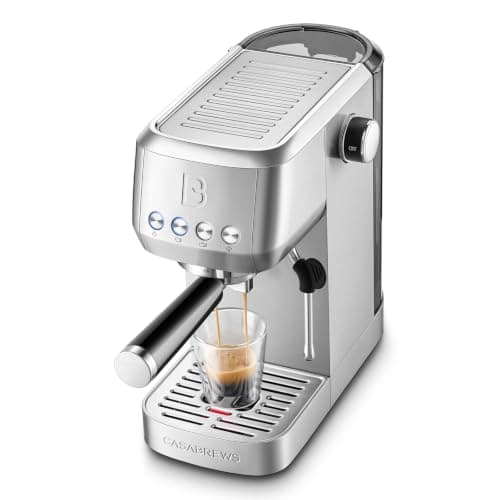
CASABREWS 3700 Espresso Machine Review
Our spec-driven CASABREWS 3700 review: what its 20-bar pump, stainless body and steam wand get right for a budget first machine, where the ceiling is, and who should buy it.
$99.99$109.999% offtop pick on AmazonRead more →Breville Barista Express vs Bambino: Which to Buy?
Breville Barista Express (BES870) vs Bambino (BES450): both pull espresso the same way, so the real fork is the grinder — built into the Express, or bought separately for the smaller, cheaper, faster-heating Bambino.
$699.95top pick on AmazonRead more →The Best Espresso Machine Under $200 in 2026
Four espresso makers genuinely under $200, ranked by job — best overall value stainless, best classic budget semi-auto, best no-fuss pods and best portable — with the specs that matter and the honest truth about what this price buys.
$99.99$109.999% offtop pick on AmazonRead more →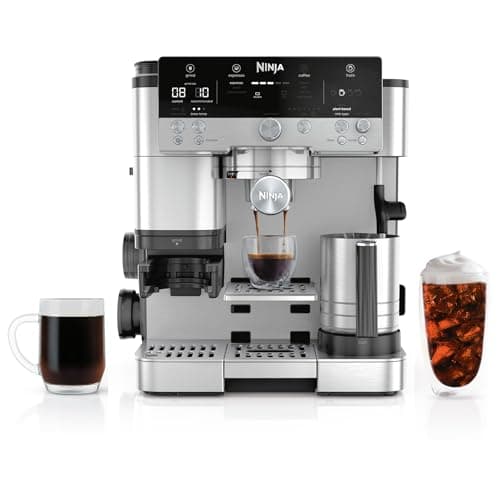
Ninja Luxe Café Premier (ES601) Review
Our spec-driven Ninja Luxe Café Premier (ES601) review: what Barista Assist, weight-based dosing and the Dual Froth System actually do, where the 3-in-1 compromise bites, and who should buy it.
$599.00top pick on AmazonRead more →The Best Compact Espresso Machines in 2026
Six compact espresso machines ranked by footprint and what you give up to get it — from a 6-inch-wide Breville to a hand-powered brewer that lives in a drawer.
$299.95top pick on AmazonRead more →The Best Home Espresso Machines in 2026
The whole home espresso category in one page: six machines from budget to bean-to-cup, judged on portafilter size, boiler type, milk system and what each one asks of you.
$499.95top pick on AmazonRead more →Gaggia Classic Pro vs Breville Bambino Plus
Gaggia Classic Evo Pro vs Breville Bambino Plus compared at the same price: automatic steam wand and factory PID against 58mm metal, repairability and a decade-long mod path.
$505.09top pick on AmazonRead more →Gaggia Classic Pro vs Rancilio Silvia
Gaggia Classic Evo Pro vs Rancilio Silvia compared: aluminium boiler and steel body against a brass boiler and commercial group head, at roughly double the price.
$505.09top pick on AmazonRead more →The Best Breville Espresso Machine: The Whole Lineup, Decoded
Bambino, Bambino Plus, Barista Express, Barista Express Impress, Barista Pro and Barista Touch Impress compared on portafilter, grinder, boiler and milk system — plus what Breville's model names actually mean.
$499.95top pick on AmazonRead more →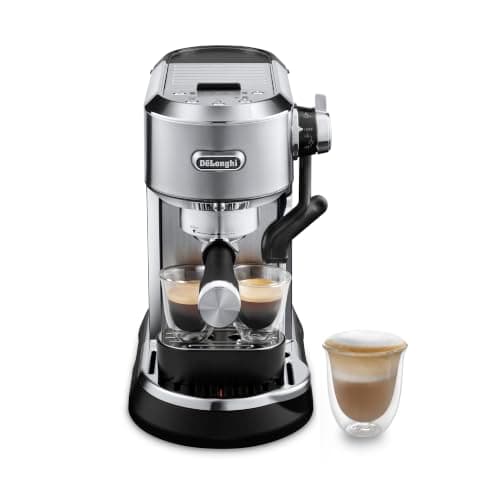
The Best De'Longhi Espresso Machine: The Whole Lineup, Decoded
Stilosa, Dedica Deluxe, Dedica Maestro Plus, La Specialista Arte Evo, La Specialista Maestro, Magnifica Evo and Rivelia compared on portafilter, grinder, heating and milk system — plus what De'Longhi's model names and EC/ECAM numbers actually tell you.
$393.50$499.9521% offtop pick on AmazonRead more →Nespresso Original vs Vertuo: Which System Should You Buy?
The two Nespresso systems compared on what they physically do differently — 19-bar pressure versus spinning Centrifusion — plus cup sizes, third-party pod availability and the lock-in nobody mentions.
$125.99$179.9530% offtop pick on AmazonRead more →Breville Barista Express vs Pro vs Impress: Which Should You Buy?
The three grinder-equipped Barista machines compared on the only things that genuinely differ — heat-up, grind resolution, and whether the machine doses and tamps for you.
$699.95top pick on AmazonRead more →The Best Espresso Machines for an Office in 2026
Bean-to-cup and pod machines picked for shared use — judged on throughput, whether an untrained colleague can work them, how the milk system is cleaned, and the honest per-cup cost for a team.
$550.57top pick on AmazonRead more →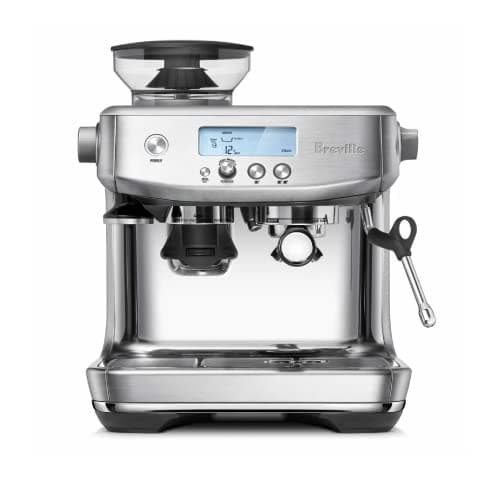
Breville Barista Pro (BES878) Review
Our spec-driven Breville Barista Pro (BES878) review: what the three-second ThermoJet heater, 30-setting Baratza-burr grinder and LCD actually change versus the Barista Express, the honest cons, and who should buy it.
$827.67top pick on AmazonRead more →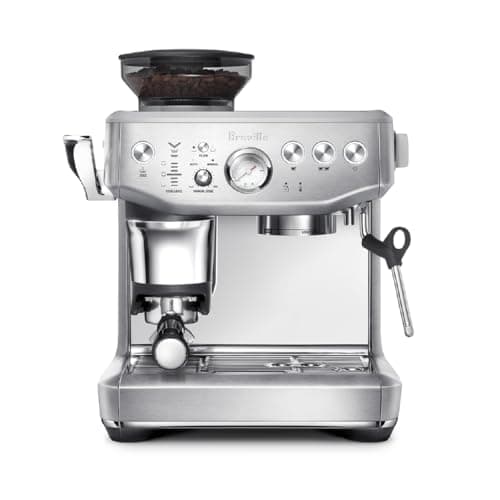
Breville Barista Express Impress (BES876) Review
Our spec-driven Breville Barista Express Impress (BES876) review: what the Impress puck system genuinely fixes, what it leaves you to do, the honest cons, and whether it beats the Barista Express or the Pro.
$799.95top pick on AmazonRead more →De'Longhi Stilosa vs Dedica Deluxe
Stilosa (EC260) vs Dedica Deluxe (EC685) compared on pump, heating, frother, width and baskets — plus the one situation where the much cheaper Stilosa is genuinely the right answer.
$249.00top pick on AmazonRead more →Breville Bambino vs De'Longhi Dedica Deluxe
Bambino vs Dedica Deluxe at similar money — 54mm non-pressurised basket and ThermoJet steam against a six-inch-wide stainless body, with the accessory and upgrade consequences of each.
$299.95top pick on AmazonRead more →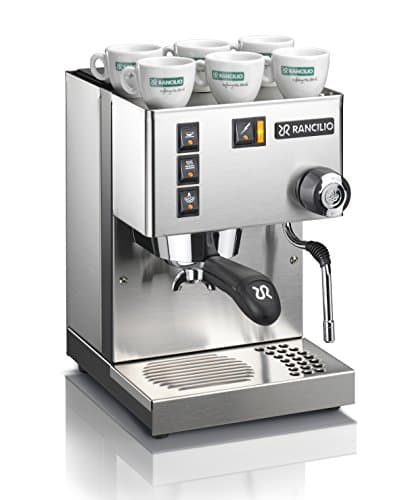
Rancilio Silvia Review
Our spec-driven Rancilio Silvia review: what the brass group and 0.3-liter boiler really buy you, the four things this machine deliberately does not have, and how to tell the Silvia, Silvia M and Silvia Pro X apart before you spend.
$995.00top pick on AmazonRead more →Espresso Machine Buying Guide
The seven decisions that actually determine which espresso machine you should buy — type, grinder budget split, basket size, milk system, temperature control, running costs and footprint — plus the four specs that mislead buyers most.
$499.95top pick on AmazonRead more →De'Longhi Stilosa vs CASABREWS 3700
The De'Longhi Stilosa against the CASABREWS 3700 at the bottom of the espresso market - 15 bar vs 20 bar, plastic vs stainless, brand longevity vs features, and why both share the same hard ceiling.
$149.95top pick on AmazonRead more →De'Longhi Dedica Deluxe Review (EC685M)
Our spec-driven De'Longhi Dedica Deluxe (EC685M) review: what six inches of width really buys, why the 51mm pressurized basket is the spec that decides how good this machine can get, and who should buy the Stilosa or a Bambino instead.
$249.00top pick on AmazonRead more →Ninja Luxe Café Premier vs Breville Barista Express
The Ninja Luxe Cafe Premier (ES601) against the Breville Barista Express (BES870XL) on published specs: 25 grind settings, built-in scale and hands-free froth versus 16 settings, PID temperature control, a manual wand and the Razor dose trimmer.
$599.00top pick on AmazonRead more →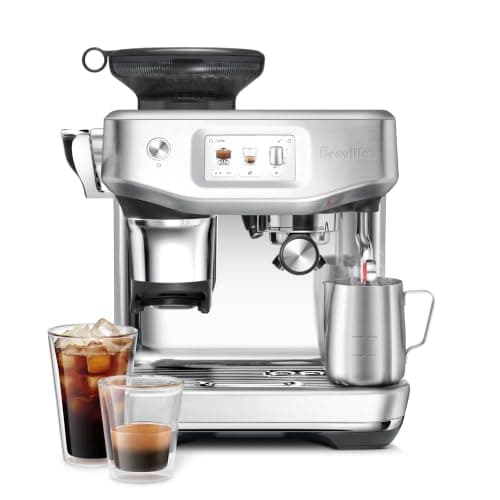
The Best Espresso Machines Under $1,500
Six espresso machines under $1,500 compared on published specifications - assisted-tamping semi-autos, five-temperature portafilter machines and bean-to-cup super-automatics - with the honest cons and a clear answer on who each one suits.
$1,449.99top pick on AmazonRead more →Prices shown are the featured pick on Amazon as of October 17, 2026 and are subject to change. The price shown on Amazon at checkout applies.
How to choose a home espresso machine
An espresso machine forces hot water through a compacted puck of finely ground coffee at around 9 bar of pressure. That is the whole game — and it is why the category splits less by brand than by how much of that process the machine automates and how much control it hands to you. Get that framing right and the shopping gets simple.
At the entry end sit manual and semi-automatic machines like the Breville Bambino, Gaggia Classic Evo Pro and the De'Longhi Stilosa: you grind, dose, tamp and steam yourself, which means a learning curve but the highest ceiling for the money. In the middle, all-in-one semi-autos such as the Breville Barista Express add a built-in grinderso everything happens on one footprint — we weigh it against the grinder-less Bambino in Barista Express vs Bambino. At the convenient end, super-automatic (bean-to-cup)machines like the Philips 3200 or a De'Longhi Magnifica grind, tamp, brew and froth at the touch of a button — you trade ultimate cup quality and tinkering for speed. And off to one side are manual levers (Flair, ROK) and pod machines (Nespresso), which solve very different problems.
What actually decides the price
Three things drive cost more than anything: the boiler (a fast thermoblock or a temperature-stable dual boiler versus a basic single boiler), the portafilter (a commercial 58mm that grows with you, a well-supported 54mm, or a small pressurized basket), and build and automation (metal versus plastic, PID temperature control, and guided or automatic milk). Marketing loves to quote a big "15-bar" or "20-bar" pump number; ignore it. What matters is a stable ~9 bar at the puck, and every real machine here manages that.
The mistake almost every beginner makes
Spending the entire budget on the machine and pairing it with pre-ground coffee or a cheap blade grinder. For espresso, the grinder changes what is in the cup more than the machine does — a modest machine with a good burr grinder beats a pricey machine fed an inconsistent grind, every time. Budget for the grinder from the start; our grinders guides and the burr vs blade explainer show why. When you have both, learn the technique with how to pull a shot and the grind size chart.
Not sure where to start? Our best home espresso machinesroundup covers the whole category in one page — one pick per type of buyer, from the cheapest honest pump machine to a one-touch bean-to-cup. From there, the best espresso machine for beginners guide is the shortest path; on the tightest budget see the best espresso machines under $200, and if a latte at the touch of a button is the goal, read our Breville Bambino Plus review. The true cost of home espresso shows what it really costs to run one versus a daily cafe habit. Buying for a shared kitchen rather than your own? The best espresso machines for an officeranks on a different axis entirely — who has to clean what, and whether an untrained colleague can work it. And if pods are on the table, the fork in the road is the capsule system, not the model: Nespresso Original vs Vertuoexplains what you are locking yourself into. Every pick below is chosen on published specs and honest trade-offs — we do not run a test lab, and we say so.
Already down to two machines? The head-to-heads settle the questions people actually get stuck on: Gaggia Classic Pro vs Breville Bambino Plus weighs an automatic milk wand against a 58mm machine you can repair for a decade at the same price, and Gaggia Classic Pro vs Rancilio Silvia works out whether a brass boiler and a commercial group head are worth roughly double. At the other end of the market, De'Longhi Stilosa vs CASABREWS 3700 takes the two cheapest real machines head to head and explains why the bar rating on the box tells you nothing. If both Brevilles are on your list, start with Bambino vs Bambino Plus— or, if you are stuck on which of Breville's near-identically named models to pick, our best Breville espresso machine guide decodes the whole lineup (Bambino, Bambino Plus, Barista Express, Impress, Pro and Touch) and says what each step up actually buys — and if you are down to the three grinder-equipped models, Barista Express vs Pro vs Impress settles it on the only three things that differ between them, and our Breville Barista Pro review goes deep on the one built for a household that will not wait for a boiler, while the Barista Express Impress review covers the one that doses and tamps the puck for you. The same treatment for the other big brand is in our best De'Longhi espresso machine guide, which decodes Stilosa, Dedica, La Specialista, Magnifica and Rivelia — and explains why the model number matters more than the name on the box. To pair whichever machine wins with the right grinder, our complete espresso setup guide costs out three full kits by budget. Two newer decisions sit beside those: our Ninja Luxe Café vs Breville Barista Express pits the guided 3-in-1 against the all-in-one that defined the category, and best espresso machines under $1,500 covers the bracket where assisted tamping and multi-temperature brewing become standard.
Frequently asked questions
What is the best espresso machine for a beginner?
For most people, the Breville Bambino: it heats in about three seconds, uses a real 54mm portafilter with pre-infusion, and is forgiving to learn on. On a tighter budget, the De'Longhi Stilosa or Casabrews 3700 get you started; if you'll go deep into the hobby, the Gaggia Classic Evo Pro is the buy-once option. Whatever you choose, budget for a real grinder alongside it.
Do I really need a separate grinder?
For espresso, yes. A fine, even, adjustable grind is what lets the machine build pressure and extract evenly, and no machine can compensate for an inconsistent grind. A modest machine plus a good burr grinder beats an expensive machine with a cheap blade grinder every time.
Is a super-automatic machine worth it?
It depends on what you value. Super-automatics grind, tamp, brew and froth at the touch of a button, which is unbeatable for convenience — but you give up some cup quality and the ability to tinker, and they cost more up front. If hands-off daily lattes matter more than chasing the perfect shot, they're worth it.