Coffee 101
Coffee vs Espresso: What's Actually Different?
They start from the same bean, but the brewing is worlds apart. Here's the difference in pressure, grind, caffeine and taste — in plain language — and how to decide which one you want to make at home.
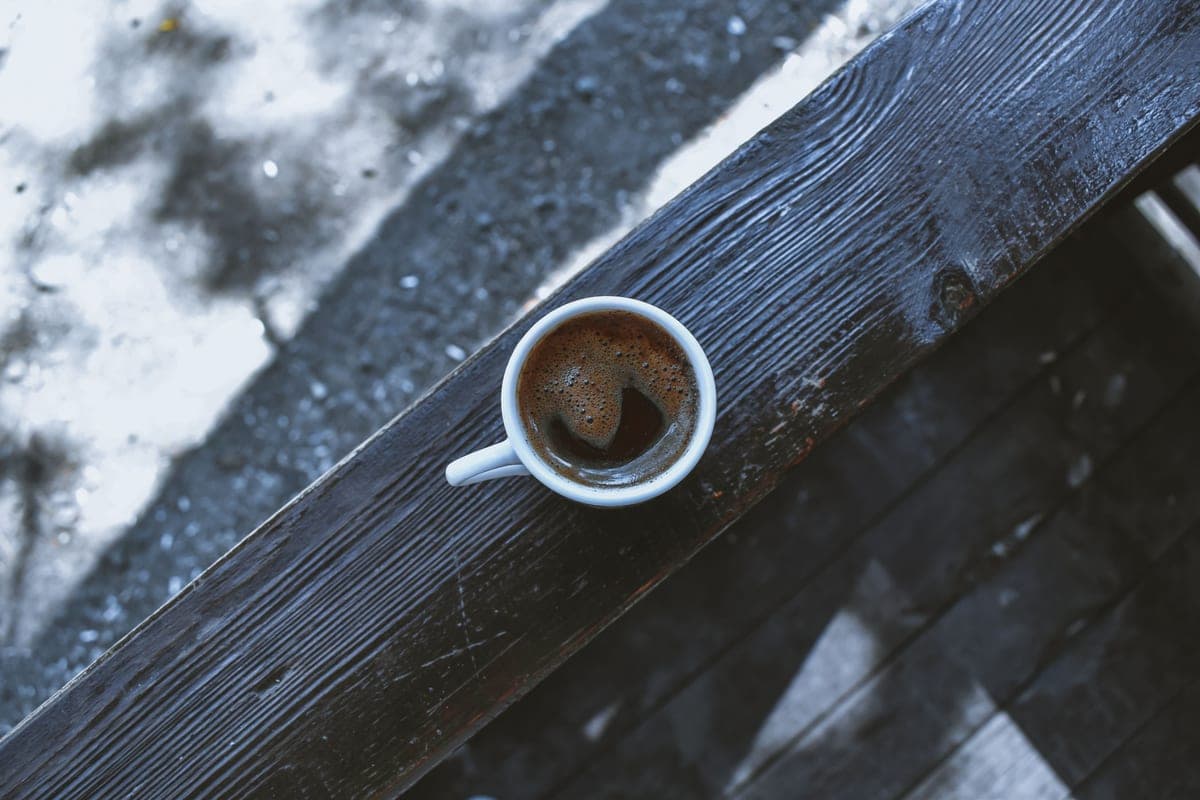
"Coffee" and "espresso" get used as if they're two different drinks made from two different things. They're not. Espresso iscoffee — it's a brewing method, not a bean. What separates a shot of espresso from a mug of drip is almost entirely how the water meets the grounds: the pressure, the grind, the ratio and the time. Get those differences straight and every other coffee decision gets easier.
The short answer
Espresso is coffee brewed by forcing hot water through finely ground coffee under about 9 bar of pressure(nine times atmospheric pressure) in roughly 25–30 seconds, producing a small, intense, syrupy shot topped with crema. "Regular" coffee — drip, pour over, French press — brews with gravity and time at ordinary pressure, producing a larger, lighter-bodied cup. Same bean is possible for both; the machine and the method are what differ.
Coffee vs espresso at a glance
| Attribute | Espresso | Regular coffee (drip / pour over) |
|---|---|---|
| Pressure | ~9 bar (forced) | Atmospheric (gravity) |
| Grind | Very fine | Medium to coarse |
| Brew time | ~25-30 seconds | 3-5 minutes (or longer) |
| Ratio (coffee:water) | ~1:2 | ~1:15 to 1:17 |
| Serving size | ~1-2 oz shot | 8-12 oz cup |
| Body / texture | Thick, syrupy, crema on top | Lighter, cleaner |
| Caffeine per serving | Less per shot | More per mug |
| Caffeine per ounce | More concentrated | Less concentrated |
The real difference is pressure
Pressure is the line between espresso and everything else. A true espresso machine uses a pump to push water through the puck at around 9 bar. That pressure does two things nothing else can: it extracts quickly and intensely, and it emulsifies oils and CO2 into the crema— the reddish-brown foam on top of a fresh shot.
This is also why a moka pot isn't quite espresso. A stovetop moka pot brews at only about 1–2 bar— strong and concentrated, espresso-adjacent, but well short of nine. It's a great, cheap way to make intense coffee, just don't expect café crema. We break that down in moka pot vs espresso machine.
Are 'espresso beans' actually different?
Mostly no. "Espresso" on a bag describes an intended use and often a roast style— typically a darker, more developed roast chosen because it tastes good pulled as a concentrated shot — not a special species of bean. You can pull espresso from a light-roast "filter" coffee, and you can brew a labeled "espresso roast" in a drip machine. The main practical differences are roast level and freshness: espresso is unforgiving, so freshly roasted beans and a good grind matter more. If you want a starting point, see the best coffee beans for espresso.
Which has more caffeine?
It depends whether you mean per serving or per ounce. A single espresso shot (about 1 oz) has roughly 63 mg of caffeine; a typical 8 oz cup of drip coffee has around 95–165 mg. So a mug of coffee usually delivers more caffeine than one shot — but ounce for ounce, espresso is far more concentrated. Order a double shot or a large drink with two shots and the totals get close. The bean, roast and dose matter more than the method for the final number.
How they taste
Espresso is intense, concentrated and textured — a small amount of big flavor, with a syrupy body and lingering finish. It's the base for milk drinks (latte, cappuccino, flat white) precisely because it's strong enough to stand up to steamed milk. Drip and pour over are cleaner and more delicate, better for sipping black and for showing off a coffee's subtler notes. Neither is "better" — they're different experiences from the same raw material.
Which should you make at home?
Choose by the drink you actually want most mornings:
- Lattes, cappuccinos, flat whites? You want espresso. Start with our best espresso machine for beginners guide, and remember the grinder matters more than the machine.
- Big mugs of black coffee? A pour over setup or a good drip maker will make you happier than a cheap espresso machine.
- Strong coffee on a budget? A moka pot makes intense, espresso-adjacent coffee for very little money and no electricity.
New to all of it? Our home espresso for beginners guide walks through the whole decision, and how to pull an espresso shot shows the technique once you have a machine.
Frequently asked questions
Is espresso just strong coffee?
Not exactly. Espresso is a brewing method — hot water forced through finely ground coffee at about 9 bar of pressure — that produces a small, concentrated, syrupy shot with crema. It's stronger per ounce than drip coffee, but 'strong coffee' brewed by drip or French press is still a different drink because it lacks the pressure, fine grind and crema.
Are espresso beans different from regular coffee beans?
Usually not a different bean, just a different intended use and often a darker roast. 'Espresso roast' describes beans chosen to taste good as a concentrated shot; you can pull espresso from light-roast filter coffee and brew espresso-roast beans in a drip machine. Roast level and freshness matter more than any 'espresso bean' label.
Does espresso have more caffeine than coffee?
Per ounce, yes — espresso is much more concentrated. Per serving, usually no: a single 1 oz shot has roughly 63 mg of caffeine, while an 8 oz cup of drip coffee has about 95 to 165 mg. A double shot or a two-shot drink narrows the gap.
Is moka pot coffee real espresso?
No. A moka pot brews at only about 1 to 2 bar of pressure versus espresso's ~9 bar, so it makes a strong, concentrated, espresso-adjacent coffee without true crema. It's an excellent low-cost way to make intense coffee, but it isn't technically espresso.
Sources
Keep reading
Buying your first setup?
See how we pick — compiled specs, cost-per-shot math, and honest trade-offs — then dig into the guides. No fake test lab, no rankings for hire.