Buying Guide
The Best Coffee Beans for Espresso in 2026
Five whole-bean picks for espresso — best overall, best classic medium, best dark roast, best specialty roaster, and best for milk drinks — plus what roast, freshness and a little robusta actually do to a shot.
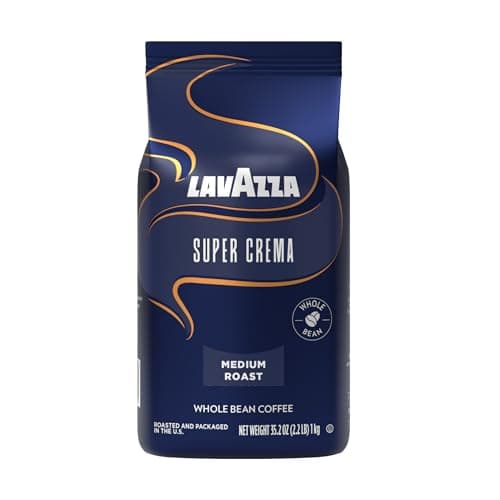
The best espresso gear in the world can only work with what you feed it, and beans are where a lot of home baristas quietly go wrong — buying stale, pre-ground, or a roast that fights the drink they want. This list fixes that. Five whole-bean picks, each the strongest choice for a specific goal, from a crema-rich Italian blend to serious specialty roasters. Our all-around pick is Lavazza Super Crema: forgiving, sweet, nutty, and the thickest crema of the bunch, which makes it the easiest bag to learn on.
A quick reality check before the picks. Any of these will make better espresso than the tin of pre-ground in most pantries — but only if you buy them whole bean and grind fresh. Espresso is unforgiving, and stale or unevenly ground coffee is the fastest way to a bad shot. If you're still on pre-ground, read the buyer's guide at the bottom first, then pair whatever you pick with a real espresso grinder.
How we picked
We don't run a test lab and we won't pretend to. These picks come from comparing each coffee's published roast profile, composition and the roaster's reputation for freshness and consistency, then matching each to the job it does best — our full approach is on the methodology page. For espresso specifically, we weighted:
- Roast level and flavor direction.Espresso concentrates everything, so roast shapes the cup more than almost anything else — from bittersweet dark to balanced medium.
- Whole bean and freshness.We only recommend whole-bean coffee, and we favor roasters that print roast dates and roast to order — how to store coffee beans covers the freshness windows that follow from that, and best beans for a moka pot covers the same question for a stovetop brewer.
- Crema and body.A little Robusta or a developed roast builds the thick crema and heavy texture that reads as "espresso."
- Fit for the drink. Some blends shine as a straight shot; others are built to punch through steamed milk.
At a glance
The five picks side by side. Tap any button for the live Amazon price — the number at checkout is the one that applies.
| Coffee | Roast | Style | Best for | Price |
|---|---|---|---|---|
| Lavazza Super Crema | Medium | Arabica + Robusta blend | Overall / crema | $26.99Buy |
| Illy Classico | Medium | 100% Arabica blend | Classic balance | $89.94Buy |
| Peet's Espresso Forte | Dark | Bold blend | Dark-roast lovers | $32.39Buy |
| Stumptown Hair Bender | Medium | Specialty blend | Complexity | $18.95Buy |
| Intelligentsia Black Cat | Medium | Specialty espresso blend | Milk drinks | $14.99Buy |
Prices shown are from Amazon as of October 17, 2026 and change often — the button always goes to the current listing. Some links may earn us a commission at no extra cost to you.
Best overall: Lavazza Super Crema
If you want one bag that just works, start here. Lavazza Super Crema is a medium-roast Italian blend of Arabica and Robusta, and that Robusta is the point: it delivers the thick, lasting crema and heavy body that make a shot look and feel like proper espresso. The flavor is mild and creamy — think hazelnut and brown sugar rather than bright fruit — which is exactly what makes it so forgiving while you dial in.
| Roast | Medium |
|---|---|
| Composition | Arabica & Robusta blend |
| Form | Whole bean |
| Flavor direction | Creamy, nutty, mild |
| Best for | All-around espresso, big crema |
What we like: it's widely available, sells in a large bag, forgives grind and dose mistakes better than most, and produces standout crema for the money. The honest caveat: the Robusta content gives body and crema but not the nuance a specialty single-origin brings, so palates chasing bright, complex flavors will find it a touch flat. For a first espresso bean, that trade is almost always worth it.
Best classic medium roast: Illy Classico
Illy's appeal is consistency. Classico is a 100% Arabica medium roast blended from several origins to taste the same in every bag, year-round — smooth, balanced, and gently chocolatey with a soft floral edge. Where Lavazza leans on Robusta for body, Illy stays all-Arabica for a cleaner, more refined cup that still has enough backbone for milk.
| Roast | Medium |
|---|---|
| Composition | 100% Arabica blend |
| Form | Whole bean |
| Flavor direction | Smooth, balanced, chocolatey |
| Best for | Reliable, refined everyday espresso |
What we like: rock-solid consistency and a polished, crowd-pleasing flavor with no rough edges. The caveats: being 100% Arabica, the crema is a little lighter than Super Crema's, and Illy typically comes in a smaller tin, so the cost per shot runs higher. If you value a predictable, elegant cup over maximum crema, it's the pick.
Best dark roast: Peet's Espresso Forte
Some people want espresso to taste like espresso— deep, bittersweet, almost smoky — and that's exactly what Peet's does best. Espresso Forte is a bold dark-roast blend from a roaster that built its name on deep roasting, with a heavy body and notes of dark chocolate and caramelized sugar. It's the traditional, intense shot, especially good if you take it with milk.
| Roast | Dark |
|---|---|
| Composition | Blend |
| Form | Whole bean |
| Flavor direction | Bold, bittersweet, heavy-bodied |
| Best for | Dark-roast fans, milk-based drinks |
What we like: a genuinely bold, satisfying dark roast with plenty of body to stand up to steamed milk. The caveats: dark roasts are inherently more bitter, so if you dislike bitterness this may push too far — and their oils can go stale faster and gum up a grinder, so buy what you'll drink in a few weeks. If dark and intense is your target, it's the one.
Best specialty roaster: Stumptown Hair Bender
When you're ready to taste what espresso canbe, step up to a specialty roaster. Hair Bender is Stumptown's signature blend, built from coffees across Latin America, Africa and Indonesia, and it's prized for being complex and versatile — bright citrus and dark chocolate with a raisin-like sweetness, and good enough to brew as filter too. It rewards a dialed-in setup and fresh grinding.
| Roast | Medium |
|---|---|
| Composition | Multi-region specialty blend |
| Form | Whole bean |
| Flavor direction | Complex, bright, chocolatey |
| Best for | Enthusiasts who want nuance and versatility |
What we like: real depth and complexity, a roaster that emphasizes freshness, and a blend that works across brew methods. The caveats: specialty coffee costs more per bag, and a brighter, more nuanced blend is less forgiving — it rewards a good grinder and punishes a lazy one. Worth it once your technique is solid.
Best for milk drinks: Intelligentsia Black Cat Espresso
Lattes and cappuccinos ask something specific of a bean: enough sweetness and body to be tasted throughthe milk. Intelligentsia's Black Cat Espresso is built for exactly that — a smooth, syrupy blend with dark cherry, brown sugar and milk-chocolate notes that don't vanish under steamed milk. It works as a straight shot, but it's happiest in a milk drink.
| Roast | Medium |
|---|---|
| Composition | Specialty espresso blend |
| Form | Whole bean |
| Flavor direction | Sweet, syrupy, chocolate & dark fruit |
| Best for | Lattes, cappuccinos, flat whites |
What we like: it's tuned for milk, with the sweetness and body to carry a latte, from a respected specialty roaster. The caveats: like all specialty coffee it costs more, and it's optimized for milk, so black-shot purists chasing brightness may prefer Hair Bender. For the milk-drink crowd, it's the standout.
How to choose espresso beans
Once you know these five, choosing your own comes down to four ideas.
Freshness beats everything.Coffee is best in roughly the first month after roasting — and espresso, which concentrates every flavor, is the least forgiving of stale beans. Buy whole bean, look for a printed roast date(not just a "best by"), let beans rest a few days off roast to degas, and use them within a few weeks. Store them sealed, away from heat and light; skip the fridge. A proper coffee canister is the cheapest way to make that stick, and the mechanism matters more than the look of it.
Whole bean, always.Pre-ground coffee is stale by the time you open it and ground for the wrong method. Grinding fresh, right before you pull, is the single biggest upgrade to your cup — which is why we push a real grinder so hard.
Pick a roast that matches your drink.Dark roasts (Peet's) are bittersweet, heavy and forgiving, and cut through milk well. Medium roasts (Illy, the specialty blends) keep more origin character and balance. Lighter roasts are bright and trickier to pull as espresso — a project for later. Our light roast vs dark roast espresso guide sets out what each roast level does to grind, extraction and crema, and which one your basket can actually use. If nearly every cup you make has milk in it, our best coffee beans for a latteguide picks on a different axis again — the notes that survive eight ounces of steamed milk.
Understand Robusta and crema. Most specialty coffee is 100% Arabica, which is sweeter and more aromatic. Classic Italian blends (Lavazza) add a little Robusta because it produces more, longer-lasting cremaand a heavier body — at the cost of a rougher, more bitter edge. If thick crema matters to you, a blend with some Robusta delivers it; if you want maximum clarity of flavor, go all-Arabica.
The bottom line
For most people, Lavazza Super Cremais the smartest first espresso bean — forgiving, crema-rich and easy to love. Want a cleaner, all-Arabica everyday cup? The Illy Classico. Crave a bold, traditional dark shot? Peet's Espresso Forte. Ready for specialty complexity? Stumptown Hair Bender. And if milk drinks are your morning, Intelligentsia Black Cat Espresso is built for the job. Whichever you choose, buy it whole bean, grind it fresh, and drink it young.
One question this page assumes an answer to: are espresso beans actually different beans? The short version is that the difference is roast and intent rather than species, and that guide works through what the label on a bag of "espresso" coffee is really telling you.
Brewing for something other than a shot? We rank beans for milk drinks in best coffee beans for a latte and for a long cold steep in best coffee beans for cold brew, where the criteria change completely.
Frequently asked questions
What are the best coffee beans for espresso?
For an easy, forgiving all-rounder with great crema, Lavazza Super Crema is our overall pick. Illy Classico is the best consistent medium roast, Peet's Espresso Forte the best dark roast, Stumptown Hair Bender the best specialty blend, and Intelligentsia Black Cat Espresso the best for milk drinks. All five are whole bean — grind them fresh.
Do I need special 'espresso' beans?
Not a special bean, no. 'Espresso' on a bag describes an intended use and usually a roast style chosen to taste good as a concentrated shot — not a different species. You can pull espresso from many coffees. What matters most is that beans are fresh, whole, and a roast level you enjoy; espresso roasts are simply a reliable starting point.
Does espresso need Robusta beans for crema?
No, but Robusta helps. Adding some Robusta — as classic Italian blends like Lavazza Super Crema do — produces more, longer-lasting crema and a heavier body, at the cost of a rougher, more bitter flavor. Most specialty coffee is 100% Arabica, which is sweeter and more aromatic but tends to give a lighter crema.
How fresh do espresso beans need to be?
Very. Coffee is at its best in roughly the first month after roasting, and espresso is the least forgiving method for staleness. Buy whole beans with a printed roast date, let them rest a few days after roasting to degas, and use them within a few weeks. Store them sealed and away from heat and light, and skip the fridge.
Should I buy whole bean or pre-ground for espresso?
Whole bean, always. Pre-ground coffee is stale by the time you open it and is ground for a general method rather than your espresso machine. Grinding fresh right before you pull is the single biggest improvement you can make, which is why a quality burr grinder is essential for good espresso.
Sources
Keep reading
Buying your first setup?
See how we pick — compiled specs, cost-per-shot math, and honest trade-offs — then dig into the guides. No fake test lab, no rankings for hire.