Reference
Coffee Grind Size Chart: Espresso to French Press
One reference table mapping every brew method to its grind size, with everyday comparisons you can actually feel — plus why grind follows brew time and pressure, and how to dial it in.
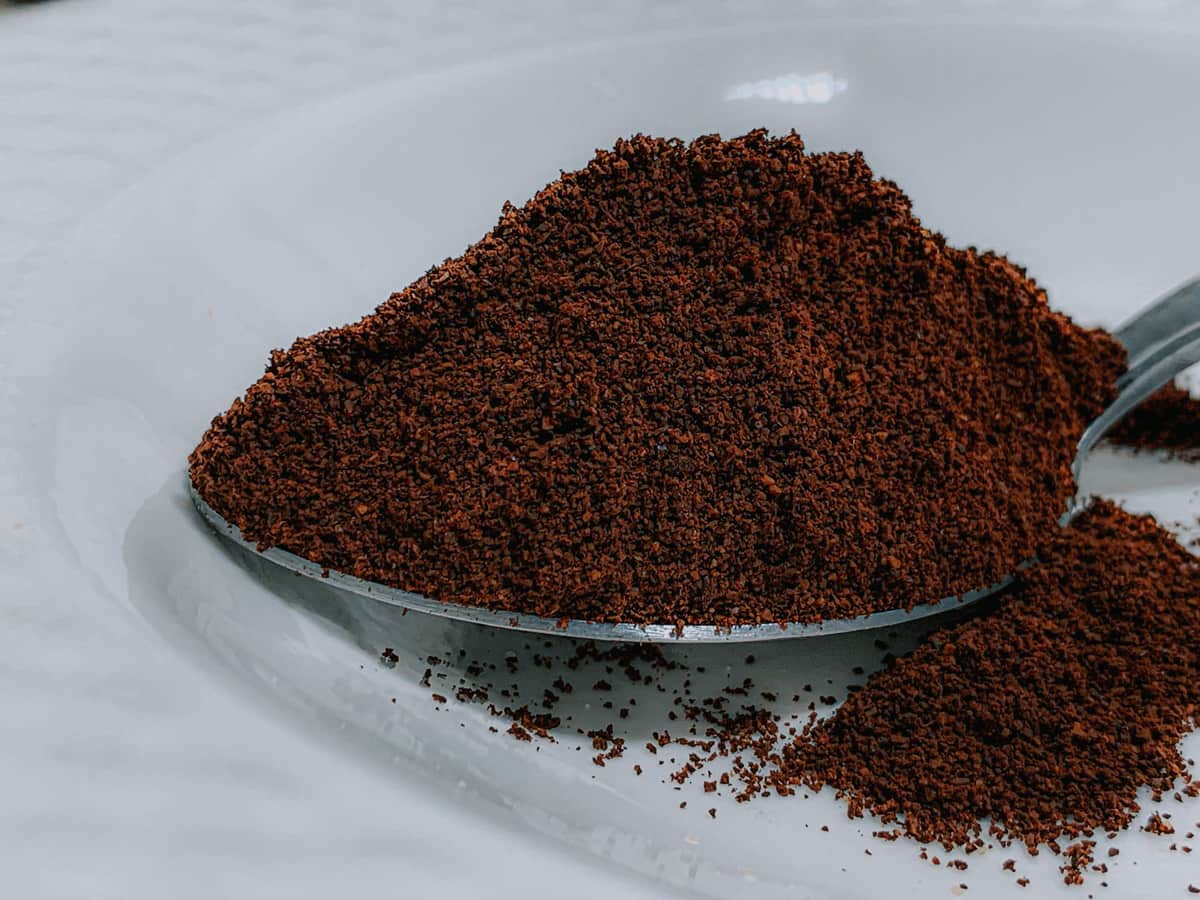
Grind size is the most powerful dial in coffee, and the one beginners understand least. The same beans, the same water, the same technique — change nothing but the grind and you can swing a cup from sour and weak to harsh and bitter. This page is the quick reference: match your brew method to the right grind, feel it against an everyday comparison, and understand why each method wants what it wants so you can adjust with intent instead of guessing.
The coffee grind size chart
Find your brew method, aim for the grind size, and use the everyday comparison to sanity-check what you're looking at. Grind runs from finest (espresso) to coarsest (cold brew).
| Brew method | Grind size | Everyday comparison |
|---|---|---|
| Espresso | Fine | Finer than table salt — powdery, almost like flour |
| Moka pot (stovetop) | Fine-medium | Between espresso and table salt |
| AeroPress | Fine to medium | Table salt (short brews) to sand (longer brews) |
| Pour over / V60 | Medium | Table salt |
| Drip / automatic maker | Medium | Table salt |
| French press | Coarse | Coarse sea salt or fresh breadcrumbs |
| Cold brew | Extra coarse | Cracked peppercorns |
These are starting points, not laws. Roast level, bean freshness, your specific grinder and your taste all nudge the ideal a notch or two. The point is to land in the right neighborhood, then fine-tune by taste.
Why grind size follows brew time and pressure
Every one of those grind sizes comes from a single idea: the longer and gentler the brew, the coarser the grind; the faster and higher-pressure the brew, the finer the grind. Grind size controls how much surface area the water touches and how much resistance the coffee bed puts up. Get the balance right and you hit proper extraction. Get it wrong and water either rushes through (under-extraction: sour, thin, weak) or crawls through (over-extraction: bitter, harsh, hollow).
Espresso sits at the fine extreme because it's the fastest, most intense method there is — hot water forced through the puck at about 9 bar of pressurein only 25–30 seconds. To slow that torrent down enough to extract properly in such a short window, the grind has to be very fine to build resistance. A moka potbrews at only about 1–2 bar, so it wants a slightly coarser fine-medium grind. At the other end, cold brew steeps for 12–24 hours at room temperature; with that much time, a fine grind would over-extract into bitterness, so you go extra coarse.
Notes on each method
Espresso (fine). The fussiest grind of all. It must be fine and even, and adjustable in tiny steps, because a small change in grind makes a big change in shot time. This is why espresso demands a real grinder and why we push grinder-first so hard.
Moka pot (fine-medium).Slightly coarser than espresso. Too fine and the pot can clog or sputter and turn bitter; too coarse and it's weak. See how to use a moka pot for the full technique.
AeroPress (variable).The one method that spans a range — fine for short, espresso-style recipes; medium for longer, gentler steeps. Adjust to the recipe you're following.
Pour over and drip (medium). The forgiving middle. A medium grind, about the feel of table salt, works for a V60, a flat-bottom dripper or an automatic maker. Explore gear on the best pour over guide.
French press (coarse). A coarse grind keeps fine particles from slipping through the metal mesh into your cup, and suits the long, full-immersion steep. Too fine and you get sludge and bitterness.
Cold brew (extra coarse).The coarsest grind, for the longest steep. Extra coarse keeps a 12–24 hour immersion smooth instead of bitter and makes filtering easier.
How to dial in your grind
A chart gets you close; your palate gets you the rest of the way. The method is the same for every brewer:
- Start at the chart's recommendation for your method.
- Brew and taste.Sour, thin or weak means under-extracted — grind finer. Bitter, dry or harsh means over-extracted — grind coarser.
- Change one step at a time. For espresso, adjust by a single notch and re-pull; grind moves shot time fast. For pour over and press, larger jumps are fine.
- Keep the rest constant.Same dose, same water, same technique, so grind is the only variable you're reading.
Every new bag is a slight reset. Fresher, darker and oilier beans behave differently, so expect to nudge the grind whenever you switch coffees. For espresso specifically, the full shot walkthrough is in how to pull an espresso shot.
Your grinder matters more than the chart
A chart assumes your grinder can actually hit — and hold — the size it names. Many can't. A blade grinderchops coffee into wildly uneven chunks, so "medium" on a blade is really a mix of dust and boulders that extract at different rates in the same cup. That's why the same chart setting can taste great from a burr grinder and muddy from a blade.
Burr grinders crush coffee between two abrasive surfaces to a consistent size you can adjust precisely, which is the whole game — especially for espresso, where evenness and fine steps decide the shot. If you're buying once, buy burrs. Start with the best grinders for espresso, and see burr vs blade for the full case.
Frequently asked questions
What grind size is best for espresso?
Fine — finer than table salt, closer to powdered sugar. Espresso forces water through the puck at about 9 bar in only 25 to 30 seconds, so it needs a fine, even grind to build enough resistance to extract properly. It also needs to be adjustable in tiny steps, which is why espresso demands a quality burr grinder.
Can I use the same grind for espresso and French press?
No. Espresso wants a fine grind (finer than table salt) and French press wants a coarse one (like coarse sea salt or breadcrumbs). Using espresso-fine coffee in a French press over-extracts into bitterness and slips sludge past the mesh; using French-press-coarse coffee in an espresso machine gives a weak, sour, fast-running shot.
Why does my coffee taste bitter or sour when I change nothing but the brewer?
Because each brewer needs a different grind. If a fixed grind runs too fine for a method, water flows slowly and over-extracts — bitter and harsh. Too coarse and it flows fast and under-extracts — sour and weak. Match the grind to the method using the chart, then fine-tune: grind finer for sour, coarser for bitter.
Do I really need a burr grinder, or is a blade grinder fine?
For espresso and for consistent results in any method, you need a burr grinder. Blade grinders chop coffee into uneven sizes, so a single dose contains both dust and boulders that extract at different rates in the same cup. Burrs produce a uniform, adjustable grind, which is exactly what a grind-size chart assumes you can hit.
What grind size is best for cold brew?
Extra coarse — roughly the size of cracked peppercorns. Cold brew steeps for 12 to 24 hours, and that long contact time would over-extract a finer grind into bitterness. Extra coarse keeps the brew smooth and makes filtering the grounds out much easier.
Sources
Keep reading
Buying your first setup?
See how we pick — compiled specs, cost-per-shot math, and honest trade-offs — then dig into the guides. No fake test lab, no rankings for hire.