Troubleshooting
Why Is My Espresso Bitter? Causes and Fixes
Bitter espresso almost always comes down to over-extraction, your beans, or a dirty machine. Here are the causes in the order to check them, the fix for each, and how to tell bitter from sour.
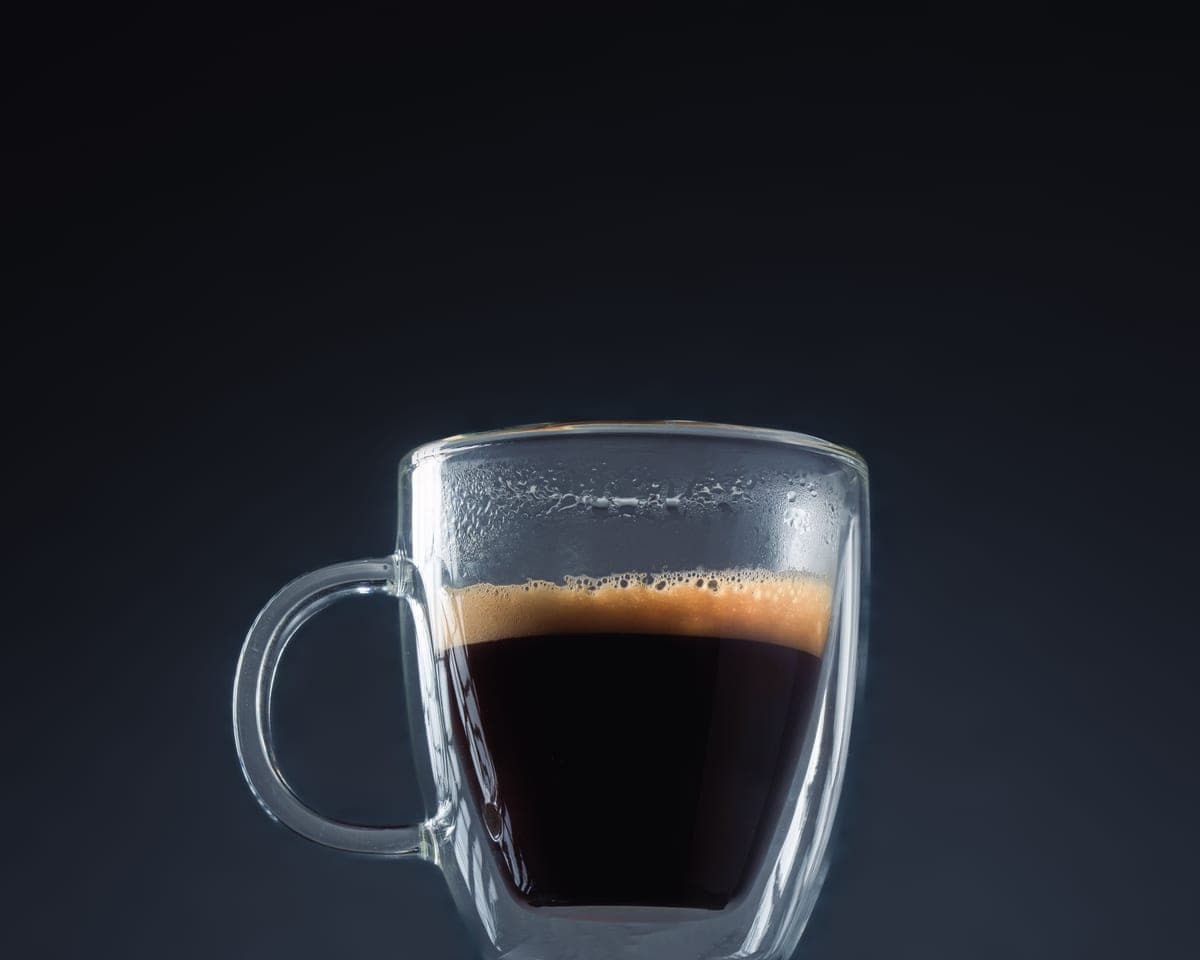
Bitter espresso is the most common complaint from new home baristas, and the good news is it's almost always fixable — usually without buying anything. Bitterness means you pulled too muchout of the coffee (over-extraction), or the coffee itself was working against you (stale or over-roasted beans), or your machine is dirty. Work through the causes below in order, change one thing at a time, and you'll find it fast.
The quick answer
Nine times out of ten, bitter espresso is over-extracted: water spent too long pulling harsh compounds out of the grounds. The fastest single fix is to grind a little coarserso the shot runs faster. If that doesn't do it, check your dose, shot length and water temperature, then look at your beans and finally your machine's cleanliness. Here's the whole map.
Causes and fixes, in order
Start at the top — these are ordered from most common and easiest to check, to least. Change one variable, re-pull, taste, and only move on if it's still bitter.
| Cause | Why it makes espresso bitter | The fix |
|---|---|---|
| Grind too fine | Water flows too slowly and over-extracts harsh compounds | Grind coarser, one step at a time |
| Shot pulled too long | Too much water keeps extracting past the sweet spot | Stop earlier — target ~36 g out (a 1:2 ratio) |
| Dose too low | Thin puck offers little resistance, water over-extracts | Weigh a full ~18 g dose for a double basket |
| Water too hot | Excess heat pulls out bitter compounds | Lower brew temp toward ~200 °F / 93 °C if adjustable |
| Beans too dark / stale | Dark roasts and old beans skew bitter and ashy | Try a fresher, lighter roast with a roast date |
| Dirty machine or basket | Rancid old coffee oils taste sharp and bitter | Backflush / clean the group, wash the basket |
| Under-dosed pre-ground coffee | Ground for drip, it over-extracts as espresso | Grind fresh, fine, from whole beans |
Over-extraction: the main culprit
Extraction is just how much dissolved coffee ends up in your cup. Too little and it's sour and weak; too much and it's bitter and harsh. Bitterness is the taste of over-extraction, and four things push a shot there:
- Grind too fine.The biggest lever. A too-fine grind chokes the flow so water lingers in the puck and drags out bitter compounds. Coarsen the grind a notch to speed the shot up. If you're unsure where to start, the grind size chart sets the baseline.
- Shot ran too long.If you keep the pump running past your target yield, the last of the shot is mostly bitter. Weigh the output and stop around a 1:2 ratio — roughly 36 g out from an 18 g dose. Our how to pull a shot guide covers the full recipe.
- Dose too low.Too little coffee in the basket means a thin puck with little resistance, so water over-extracts what's there. Weigh a full dose for your basket size.
- Water too hot. Higher temperatures extract more aggressively. If your machine lets you adjust brew temperature, nudge it down toward about 200 °F / 93 °C for dark roasts especially.
Beans: stale or too dark
Sometimes the shot is dialed in and the beansare the problem. Very dark, oily roasts are inherently more bitter and ashy — they're roasted past the point where much origin sweetness survives — so if you hate bitterness, a dark "espresso roast" may simply be the wrong coffee for your palate. Try a medium roast instead.
Staleness is the other bean issue. Coffee is best in roughly the first month after roasting; well past that it goes flat and can taste harsh and papery. Buy whole beans with a roast date, grind fresh, and store them sealed away from heat and light — not in the freezer door. Pre-ground coffee is stale by definition and ground for the wrong method. For picks that suit espresso, see the best coffee beans for espresso.
A dirty machine or basket
If everything else checks out, taste bitterness that won't budge is often old coffee. Espresso leaves oils and grounds behind, and once they go rancid they taint every shot with a sharp, bitter edge. The fixes are simple maintenance:
- Wash the portafilter and basketafter use — not just a rinse, an actual scrub now and then to clear built-up oils from the holes.
- Backflush or clean the group head regularly if your machine supports it, using an espresso machine cleaner made for the job.
- Descale on schedule.Scale buildup affects temperature and flow; follow your machine's descaling interval for your water hardness.
- Use filtered water. Off-tasting water makes off-tasting espresso, and hard water accelerates scale.
Bitter vs sour: they need opposite fixes
Before you start adjusting, make sure you're diagnosing the right flavor — because bitter and sour are opposites and pull you in opposite directions.
| If it tastes... | It's probably... | So you should... |
|---|---|---|
| Bitter, harsh, ashy, dry | Over-extracted (too much pulled out) | Grind coarser, shorten the shot, lower the temp |
| Sour, sharp, thin, salty | Under-extracted (too little pulled out) | Grind finer, extend the shot slightly, raise the temp |
| Both sour AND bitter at once | Channeling / uneven puck | Distribute evenly and tamp level |
The classic beginner trap is a shot that tastes both sour and bitter — that's usually not extraction level at all but channeling, where water blasts through a weak spot in an uneven puck, over-extracting part of the bed and under-extracting the rest. The fix there is technique: distribute the grounds and tamp flat and level, as covered in espresso channeling, how to tamp espresso and how to pull an espresso shot. If the sourness is the dominant note rather than the bitterness, work through why is my espresso sourinstead — the causes are listed there in the order they usually apply.
And if inconsistency is your real problem — every shot tastes different no matter what you do — the culprit is very often the grinder. An uneven grind guarantees uneven extraction. A quality burr grinder is the highest-leverage upgrade for taste; start with the best grinders for espresso.
Frequently asked questions
What is the number one cause of bitter espresso?
Over-extraction, and most often a grind that's too fine. When the grind is too fine, water flows through the puck too slowly and pulls out harsh, bitter compounds. The quickest fix is to grind a little coarser so the shot runs faster, then re-taste before changing anything else.
How do I make my espresso less bitter?
Work through the causes in order: grind coarser, stop the shot earlier (around a 1:2 ratio, about 36 g out), use a full ~18 g dose, and lower the brew temperature if you can. If it's still bitter, try fresher or lighter-roast beans and clean your portafilter and group head. Change one variable at a time.
Can old or dark beans make espresso bitter?
Yes. Very dark, oily roasts are inherently more bitter and ashy, and stale beans — well past their roast date — taste harsh and flat. Buy whole beans with a roast date, use them within about a month, grind fresh, and if you dislike bitterness try a medium roast rather than a dark espresso roast.
Why is my espresso both sour and bitter at the same time?
That usually means channeling — water forcing a path through a weak spot in an uneven puck, so part of the coffee over-extracts (bitter) while the rest under-extracts (sour). It's a technique problem, not an extraction-level one. Distribute the grounds evenly, use a WDT tool if you have one, and tamp flat and level.
Does a dirty espresso machine affect taste?
Absolutely. Espresso leaves behind oils that go rancid and add a sharp, bitter edge to every shot. Regularly wash the portafilter and basket, backflush or clean the group head if your machine supports it, descale on schedule, and use filtered water. Clean gear is one of the cheapest fixes for bitterness.
Sources
Keep reading
Buying your first setup?
See how we pick — compiled specs, cost-per-shot math, and honest trade-offs — then dig into the guides. No fake test lab, no rankings for hire.