Comparison
Burr vs Blade Grinder: Why It Matters
The grinder you own matters more than almost any other coffee gear — and the burr vs blade choice is the first fork in the road. Here is exactly what changes in the cup, in plain language.
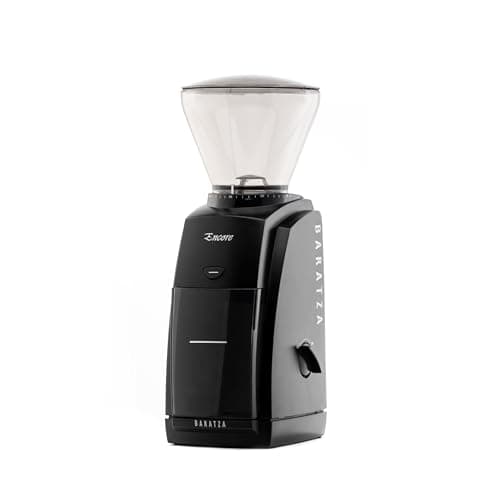
If you are going to upgrade one thing about your coffee, make it the grinder — and the first decision is burr versus blade. It sounds like a small hardware detail, but it changes what ends up in your cup more than the beans or the brewer do. The short version: a burr grinder produces an even, adjustable grind that makes good coffee possible, and a blade grinder produces an uneven mess that quietly caps how good your coffee can ever be.
The short answer
A burr grinder crushes beans between two abrasive surfaces set a fixed distance apart, so every particle comes out close to the same size, at a coarseness you choose. A blade grinderis a spinning blade that chops beans at random — the longer it runs, the more fine dust it makes, but it never produces a uniform size and you cannot set it to a repeatable coarseness. For espresso, a burr grinder is mandatory. For filter, a burr grinder is a night-and-day upgrade. A blade grinder is only ever a stopgap.
Burr vs blade at a glance
| Factor | Burr grinder | Blade grinder |
|---|---|---|
| Grind consistency | Even, uniform particles | Random dust and boulders |
| Adjustability | Precise, repeatable settings | None (grind by time only) |
| Espresso-capable | Yes, with a fine-enough model | No |
| Heat and static | Low; slow burrs run cool | High; fast blade heats the grounds |
| Up-front price | Higher | Very cheap |
| Lifespan | Years; burrs replaceable | Short; not serviceable |
How each one works
A burr grinder feeds beans into the gap between two burrs — either two flat rings or a cone inside a ring. Because the gap is fixed, beans are reduced to roughly one size before they can fall through. Widen the gap for a coarser grind, narrow it for finer; the setting is repeatable, so once you find the sweet spot for a brew method you can return to it exactly.
A blade grinder has no gap and no setting. A propeller-style blade spins at high speed and smashes whatever it hits, throwing grounds around the chamber. Whatever happens to sit near the blade gets pulverized into dust; whatever bounces to the edges stays in large chunks. Grinding longer just makes more dust without ever evening things out — and the only "adjustment" you have is how many seconds you hold the button.
Consistency is the whole game
Coffee flavor is extraction — how much of each ground the water dissolves. Extraction depends on particle size: small particles give up their flavor fast, large ones slowly. When every particle is a similar size, they all extract at a similar rate, and you can brew to a balanced result. When you have a mix of dust and boulders in the same brew, the dust over-extracts and turns bitter and astringent while the boulders under-extractand stay sour and weak — at the same time, in the same cup.
That is the real cost of a blade grinder: it is not that the coffee is a little worse, it is that you are drinking bitter and sour flavors mixed together, with no way to dial either out. A burr grinder removes that problem at the source, which is why it is the single highest-impact upgrade in most home setups. Once your grind is even, the grind size chart lets you tune each brew method deliberately.
Adjustability: brewing on purpose
Different brew methods need different grinds: espresso is very fine, pour over is medium, French press is coarse. A burr grinder has a dial or ring of repeatable settings, so you can move between methods on purpose and come back to a setting that worked. A blade grinder has none of this — you are timing a button and hoping, and you cannot reliably reproduce yesterday's result. Being able to repeat a grind is what turns good coffee from a lucky accident into something you can make every morning.
Why a blade grinder can't make espresso
Espresso is the clearest case, because it is the least forgiving brew there is. A shot forces water through a tightly packed puck at about 9 bar of pressure in roughly 25–30 seconds, and that only works when the grind is fine, even and precisely adjustable. A blade grinder fails all three tests: it cannot hold a consistent fine grind, its dust-and-boulder mix lets water channel straight through the coarse gaps, and it has no fine adjustment to dial the shot in. The result is a fast, sour, crema-less trickle — not espresso.
This is the heart of our grinder-first message: for espresso, the grinder matters more than the machine. Pair even a modest machine with a proper burr grinder and you get real shots; pair a great machine with a blade grinder and you get frustration. See our best grinder for espresso picks for the models that reach true espresso fineness.
Heat, cost and lifespan
Blade grinders also run hot: the blade spins fast and friction heats the grounds, which can scorch delicate aromatics before you ever brew. Good burr grinders turn slowly to keep heat and static down. On price, a blade grinder is genuinely cheap up front — that is its only real advantage — but a burr grinder is the better long-term value: better burr grinders are built to be serviced, with user-replaceable burrs, so they last for years rather than being disposable. You buy a burr grinder roughly once; you replace blade grinders (and tolerate mediocre coffee) repeatedly.
Who each is for
A burr grinder is for anyone who cares how their coffee tastes— which, honestly, is anyone reading this. It is essential for espresso and a huge upgrade for pour over, drip and French press. If budget is the worry, a hand grinder gets you excellent burrs for less than most electric models; see our best hand grinder guide.
A blade grinder is for a stopgap and little else— a college dorm, a borrowed kitchen, or as a spice grinder. If it is what you have today, it will make coffee, but plan to replace it with burrs as soon as you can.
The verdict, and where to start
There is no real contest: a burr grinder wins on consistency, adjustability, espresso capability, heat and lifespan, losing only on up-front price — and it earns that back in cups you actually enjoy. If you are buying your first burr grinder, the Baratza Encore is the classic entry point: even grinding across the whole filter range, repairable with user-replaceable parts, and a proven workhorse that lasts. Pull espresso too? Its sibling, the Encore ESP, reaches espresso fineness, and our best burr grinder guide covers the full field.
If you are here because a new espresso machine has arrived and you are hoping to skip the grinder for now, do you need a grinder for espressois the page that answers it properly — including the one situation where pre-ground genuinely works, and where its ceiling sits. And once a burr grinder is on the counter, keeping it clean is what stops it quietly reverting to mediocre coffee over the following year.
Frequently asked questions
Is a burr grinder really worth it over a blade grinder?
Yes — it is the highest-impact upgrade in most home coffee setups. A burr grinder produces an even, adjustable grind, so your coffee extracts evenly instead of tasting bitter and sour at once, and you can repeat a setting that works. A blade grinder is cheaper up front but caps how good your coffee can be and cannot make espresso at all.
Can I make espresso with a blade grinder?
No. Espresso needs a fine, even, precisely adjustable grind, and a blade grinder produces an uneven mix of dust and coarse chunks with no way to dial it in. Water channels through the coarse gaps and you get a fast, sour, crema-less trickle rather than a real shot. Espresso requires a burr grinder that reaches espresso fineness.
Why does an uneven grind make coffee taste bad?
Because particle size controls extraction. Fine particles give up flavor fast and over-extract into bitterness; coarse particles extract slowly and stay sour and weak. A blade grinder's dust-and-boulder mix does both at once in the same cup, so the coffee tastes harsh no matter how you brew. Even, burr-ground coffee extracts uniformly and tastes balanced.
What is a good first burr grinder?
The Baratza Encore is the classic entry-level burr grinder for filter coffee — even, repairable and long-lasting. If you also pull espresso, the Baratza Encore ESP adds true espresso fineness, and a hand grinder like the Timemore Chestnut C3 ESP delivers excellent burrs for even less if you do not mind grinding by hand.
Are hand grinders burr grinders?
Yes. Manual (hand) grinders use burrs — usually steel conical burrs — just cranked by hand instead of a motor. Because the money goes into burrs rather than a motor, a good hand grinder often grinds as well as electric models costing more. The trade-off is that you grind each dose by hand.
Sources
Keep reading
Buying your first setup?
See how we pick — compiled specs, cost-per-shot math, and honest trade-offs — then dig into the guides. No fake test lab, no rankings for hire.