Single Review
Baratza Encore ESP Review
The grinder that finally made the beloved Encore espresso-capable — 40mm conical burrs, a dial recalibrated for the espresso range, and the same repairable design. Here is the honest breakdown.
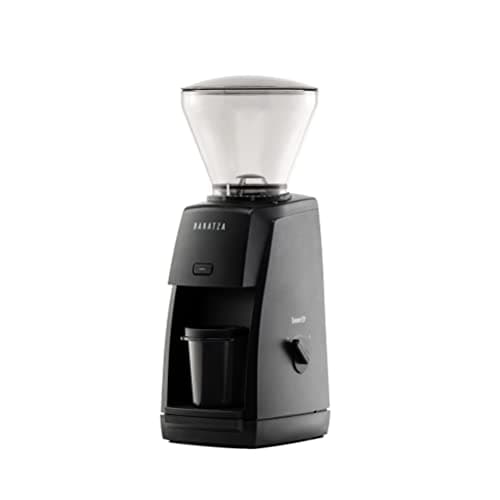
The least expensive grinder we'd trust to dial in a real espresso — a repairable, easy-to-live-with bridge from filter grinding into espresso, as long as you don't need single-dose retention.
- Best for
- New espresso drinkers who want one grinder that reaches espresso fineness without overspending
- Price context
- Entry tier for a true espresso grinder; frequently the best value in its class
The original Baratza Encore is one of the most recommended grinders ever made — and it has one famous weakness: it cannot grind fine enough for good espresso. The Encore ESP exists to close that gap. Baratza kept the repairable, no-nonsense design people love and reworked the two things that decide espresso: the burrs and the adjustment scale. The result is the cheapest grinder we would confidently point an espresso beginner toward.
A note on honesty first: we haven't run this grinder in a lab. This review compiles the published specifications, cross-checks them against verified owner feedback, and does the reasoning — the same method we use on every product, described on our methodology page.
Who the Encore ESP is for
The Encore ESP is aimed squarely at the person stepping into espresso who does not want to spend more on the grinder than the machine. If you are pairing it with a starter machine like those in our best espresso machine for beginners guide, this is the grinder that lets that machine actually make good espresso. It also suits anyone who brews both espresso and filter and wants a single grinder to do both. If you only ever brew filter, the plain Encore saves you money; if espresso is a serious, long-term obsession, you will eventually want something stepless.
What the specs say
The headline change is the adjustment scale. The Encore ESP has 40 stepped settings, but they are not evenly spaced: settings 1 through 20 are fine 20-micron micro-steps tuned for espresso, while 21 through 40 open up into larger 90-micron jumps for filter. That is the clever part — it puts the fine control exactly where espresso needs it, then gets out of the way for pour over. The sharper 40mm M2 conical burrs help too, cutting rather than crushing at fine settings so you get fewer fines and a cleaner extraction.
Everything else is classic Baratza. A low-speed DC motor keeps heat and static down, the burrs and internal parts are user-replaceable so the grinder is repairable for years, and it ships with a 54mm dosing cup plus a 58mm portafilter adapter so you can grind straight into the basket. It is hopper-fed rather than single-dose, with a modest footprint that fits any counter.
What it's like to live with
In daily use the Encore ESP does the one thing that matters: it lets you actually dial in a shot. With 20-micron steps you can nudge a shot that is running too fast finer, or a choked shot coarser, in small enough increments to land on a good extraction — something the original Encore simply cannot do at espresso. Swapping to filter is as easy as spinning the dial into the 21–40 range. The included dosing cup makes for a tidy, low-mess workflow.
It is not a fast or flashy grinder. The low-speed motor takes its time, and the plastic body is plain. But it is quiet by grinder standards, undemanding, and the kind of tool you stop thinking about once it is set — which, for a grinder, is high praise.
Caveats worth knowing
Two honest limits. First, retention: it is hopper-fed with moderate retention, so a little ground coffee stays behind between doses. If you want to weigh in each dose and get exactly that back out — single dosing — a purpose-built single-dose grinder does it better. Second, stepped versus stepless: 20-micron steps are fine enough for the vast majority of home espresso, but they are still steps. Chasing the last bit of precision, or a specific flavor profile, eventually points you at a stepless grinder.
Alternatives worth considering
If you want a genuine step up and mostly pull espresso, the Eureka Mignon Notte swaps stepped conical burrs for 50mm flat burrs with truly stepless micrometric adjustment — more precision and clarity, at a higher price. If you would rather skip the motor entirely, the 1Zpresso J is a hand grinder with 48mm conical burrs that grinds espresso through filter with near-zero retention; our best hand grinder guide has more, and Encore ESP vs Timemore Chestnut C3 ESP is the head-to-head against the cheapest hand grinder that genuinely reaches espresso fineness. And if you truly only brew filter, the original Baratza Encoredoes that job for less — just don't expect espresso from it; for a stovetop pot specifically see best grinder for a moka pot.
Verdict
The Encore ESP is the grinder that finally makes affordable home espresso make sense. It reaches true espresso fineness, gives you fine enough steps to dial a shot in, still handles filter, and keeps Baratza's repairable design so it lasts. Go in knowing the trade-offs — moderate retention and stepped (not stepless) adjustment — and it is hard to spend this little and grind this well. For most people getting into espresso, pair it with a solid starter machine and a proper technique from how to pull a shot, and you are set. New to why the grinder matters this much? Start with burr vs blade.
The other grinder people weigh the ESP against at this exact price is Breville's hopper-and-timer machine — our Encore ESP vs Breville Smart Grinder Pro comparison works through the dial-resolution trade, and Fellow Opus 2 vs Encore ESP covers the low-retention alternative.
What we liked
- Reaches true espresso fineness — the thing the original Encore cannot do
- Fine 20-micron micro-steps across settings 1-20 for precise espresso dial-in
- Still grinds filter at the coarser end, so it's one grinder for two brew styles
- User-replaceable burrs and parts — built to be repaired, not thrown away
- Ships with a 54mm dosing cup and 58mm adapter to grind straight into a portafilter
What gave us pause
- Hopper-fed with moderate retention — not built for true single dosing
- Stepped adjustment is fine but not stepless like pricier espresso grinders
- Not a fast grinder; the low-speed motor takes its time
- Plain plastic body feels like the entry-level product it is
Frequently asked questions
Is the Baratza Encore ESP good for espresso?
Yes — it is one of the best value grinders that can actually make espresso. Its first 20 settings are fine 20-micron micro-steps tuned for the espresso range, and its sharper 40mm conical burrs cut cleanly at fine settings, so you can dial in a real shot. It is the least expensive grinder we would confidently recommend to an espresso beginner.
What is the difference between the Baratza Encore and the Encore ESP?
The Encore ESP is built to grind fine enough for espresso, which the original Encore cannot. It uses sharper M2 conical burrs and a recalibrated dial where settings 1-20 are fine 20-micron espresso micro-steps and 21-40 are coarser filter steps. The regular Encore is an excellent filter grinder but bottoms out too coarse for good espresso.
Can the Encore ESP also grind for pour over and French press?
Yes. Settings 21 through 40 open into larger 90-micron steps that cover the filter range, from pour over up toward French press, so it works as a one-grinder solution for someone who brews both espresso and filter. If you brew only filter, though, the cheaper standard Encore covers those methods for less.
Is the Encore ESP good for single dosing?
It works, but it is not ideal for it. The Encore ESP is hopper-fed with moderate retention, so a small amount of ground coffee stays behind between doses. If a weigh-in, weigh-out single-dose workflow is important to you, a purpose-built single-dose grinder like the DF64 Gen 2 does it more cleanly.
Sources
Keep reading
Buying your first setup?
See how we pick — compiled specs, cost-per-shot math, and honest trade-offs — then dig into the guides. No fake test lab, no rankings for hire.