Comparison
AeroPress vs Pour Over: Which Should You Brew?
Both brew through a paper filter for a clean, bright cup — but the AeroPress adds immersion and a little pressure to make it fast and forgiving, while pour over is a slower, more delicate technique built to show off great beans. Here's how to choose.
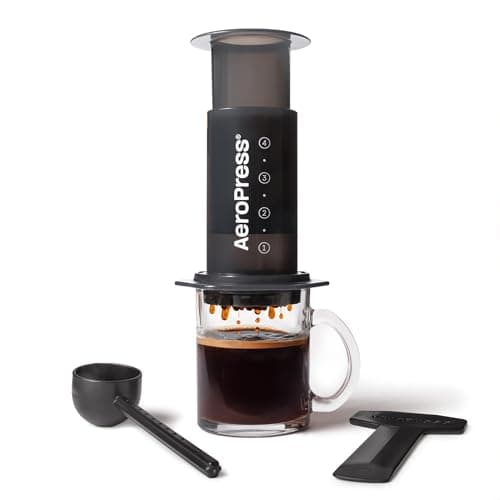
The AeroPress and pour over are close cousins: both pull your coffee through a paper filter, so both give you a clean, bright cup with very little grit — the opposite end of the spectrum from a full-bodied French press. But they get there differently. The AeroPress steeps the grounds in water and then adds a little hand pressureto push the brew through in seconds, which makes it fast and hard to mess up. Pour over relies on a slow, careful stream of water gravity-fed through a cone or flat-bottom dripper, a more delicate technique that, done well, showcases a single-origin coffee's clarity like nothing else. Neither is "better" — they suit different mornings.
The short answer
Choose the AeroPressif you want a clean cup fast, without much technique or gear — it's forgiving, low-mess, single-serve and practically built for travel. Choose pour over (a Hario V60, Chemex or Kalita Wave) if you enjoy the ritual, want the most delicate and aromatic expression of a nice bag of beans, and don't mind owning a gooseneck kettle and a scale and practicing your pour. Plenty of coffee people keep both: the AeroPress for a quick weekday cup, pour over for a slow weekend one.
How each one brews
The AeroPress is a two-part plastic tube. You add grounds and hot water, stir and steep for a short time, cap the tube with a small round paper filter, and push the plunger down — the light pressure forces the coffee through the paper in seconds. That combination of brief immersion plus a paper filter is why the cup tastes clean but still carries a little body. It uses a medium-fine grind and brews in a minute or two.
Pour over is pure gravity and patience. You set a paper filter in a dripper (a 60-degree Hario V60cone, a Chemex carafe, or a flat-bottom Kalita Wave), add a medium grind, and pour hot water over the bed in slow, controlled stages — usually a short "bloom" to let the coffee degas, then steady pours to finish. The water draws flavor from the grounds as it passes through and drips into your cup below. There's no pressure and no plunger; where you pour and how fast is the brew. It typically takes three to four minutes.
Technique and skill
This is the biggest practical difference. The AeroPress is one of the most forgiving brewers there is: the immersion step means the coffee is already steeping evenly before you press, so a slightly-off grind or a rushed pour still lands a good cup. It's genuinely hard to brew a bad one, which is why it's a favorite for beginners and travelers alike.
Pour over asks more of you. Because the water only touches the grounds as it flows past, an uneven pour, a stream that's too fast, or channels in the coffee bed all show up in the cup as under- or over-extraction. A cone like the V60 rewards a steady hand and punishes a sloppy one — which is exactly why it improves your technique over time. A flat-bottom Kalita is more forgiving than a cone, but every manual pour over still wants practice. If you find that appealing, it's a rewarding little craft; if you just want coffee, it can feel like a chore.
Clarity and body
Both are paper-filtered, so both are on the clean, low-gritside — if you hate sediment, either will make you happy. The difference is subtler. Pour over, brewed slowly with no pressure, produces the most delicate, tea-like clarityof any common method: it separates and highlights the floral, fruity and acidic notes in a good light-roast single origin better than almost anything. It's the method roasters reach for to show a coffee off.
The AeroPress lands a touch fuller and rounderthan pour over. The brief immersion and the push through the filter extract a little more body and can slightly mute sharp acidity, which many people find more approachable, especially with medium and darker roasts. It's clean, but not quite as crystalline as a well-made V60. If maximum clarity is the goal, pour over edges it; if you want clean-but-comforting, the AeroPress is lovely. (You can also fit a reusable metal filter to the AeroPress for even more body — a bit of flexibility a paper pour over doesn't offer.)
Speed and cleanup
The AeroPress wins both. Start to finish it's a minute or two, versus three to four for a careful pour over — plus pour over usually adds a kettle-heating and setup ritual on top. Cleanup is where the gap really opens: with the AeroPress you pop off the cap and push the plunger the last inch, and the compressed puck of grounds and the paper filter drop straight into the trash. A quick rinse and you're done.
Pour over cleanup is easy too — you lift the filter and grounds out and bin them — but you're also rinsing a dripper and often a separate carafe, and you've got a gooseneck kettle and a scale on the counter to put away. None of it is hard; it's just more steps. On a rushed weekday, that difference is one of the main reasons people reach for the AeroPress.
The gear you need
The AeroPress is close to all-in-one: the brewer comes with its filters, a stirrer and a scoop, and all you truly need to add is a grinder and hot water — any kettle or even a mug of boiled water works. That low barrier is a big part of its appeal.
Pour over is cheap to start but wants supporting gear to shine. The dripper itself is inexpensive, but to get the controlled, even pour the method depends on you really want a gooseneck kettle and a scale with a timer so you can weigh your coffee and water and repeat a good brew. Both brewers live or die by grind: the AeroPress wants medium-fine, pour over wants a medium grind, and a burr grinder keeps either consistent. Dial your setting in with our grind size chart.
Batch size
Both are essentially single-serve to small-batchmethods, so neither is a great fit for a crowd — but there's a split. The AeroPress is firmly a one-to-two-cupbrewer; it's brilliant for a single mug and you'd be brewing repeatedly to fill a table. Pour over depends on the dripper: a V60 or Kalita is also really a one-to-two-cup affair, but a Chemex brews about six small cups at once, which makes pour over the more flexible choice if you sometimes need a pot for guests. For any larger household, though, a bigger-batch method suits better than either of these.
Travel and durability
The AeroPress was practically built for the road. It's lightweight, made of tough plasticthat shrugs off being dropped, and small enough for a suitcase, an office drawer or a campsite — all you add is hot water. Pour over is more of a countertop ritual: ceramic and glass drippers are fragile and awkward to pack (a plastic or collapsible dripper travels better, but you're still juggling filters and ideally a kettle for the pour). For coffee on the move, the AeroPress is the obvious pick; for a considered cup at home, pour over is in its element.
At a glance
| Attribute | AeroPress | Pour over |
|---|---|---|
| Method | Immersion + light press | Slow gravity pour |
| Filter | Paper (metal optional) | Paper |
| Cup | Clean, a touch fuller | Cleanest, most delicate |
| Grit / sediment | Very little | Very little |
| Grind | Medium-fine | Medium |
| Skill needed | Very forgiving | Rewards practice |
| Gear needed | Just add hot water | Gooseneck kettle + scale |
| Batch size | 1-2 cups | 1-2 cups (6 with a Chemex) |
| Brew time | ~1-2 minutes | ~3-4 minutes |
| Cleanup | Very easy (eject puck) | Easy (rinse dripper) |
| Travel | Excellent (durable plastic) | Poor (fragile, more parts) |
The two to buy
For the AeroPress, the standard AeroPress Originalis the one to get — the full-size classic, complete with a stack of paper filters, the stirrer and the scoop. It's the whole method in one inexpensive box.
For pour over, the Hario V60 Ceramic Dripper 02is the benchmark: a 60-degree cone with spiral internal ribs and a single large hole that gives you total control over the brew. It's the dripper most of the specialty world learns on, and the most rewarding once your pour is dialed in.
| AeroPress Original | Immersion + press, paper filter, medium-fine grind, 1-2 cups |
|---|---|
| Hario V60 Ceramic 02 | 60-degree cone, spiral ribs, single large hole, 1-4 cups |
If you choose the V60, remember the dripper is the cheap part — budget for a gooseneck kettle and a scale too, and see the full field in our best pour over guide. For the AeroPress, our AeroPress buying guide covers the models and accessories.
Who each is for
Get an AeroPress if:you want a clean cup fast, you'd rather not fuss with technique or buy a special kettle, you mostly brew one or two cups, or you want a nearly indestructible brewer for travel, work or camping. It's the low-effort, high-reliability choice — and forgiving enough that your first cup is usually a good one.
Get a pour over if:you enjoy the ritual and want to get better at it, you buy nice single-origin beans and want to taste every note, you already own or don't mind buying a gooseneck kettle and scale, or you sometimes want to brew a small pot (with a Chemex). It's the more delicate, more expressive cup — and the more involved one to make.
The verdict
Both make the clean, low-grit style of coffee, so start with your morning, not the cup. If you want speed, simplicity, forgiveness and portability, the AeroPress is the better everyday brewer — especially for one or two cups and for travel. If you want the most delicate, aromatic expression of great beansand you enjoy the technique, pour over is the one, provided you'll invest in a gooseneck kettle, a scale and a little practice. Match the brewer to how much time and ritual you actually want, pair it with a burr grinder at the right grind, and either one will make excellent coffee for very little money. If you're also weighing a heavier, oilier cup, see our AeroPress vs French press comparison.
Frequently asked questions
Is AeroPress or pour over coffee cleaner?
Both use a paper filter, so both make a clean, low-grit cup with far less sediment than a French press. Pour over, brewed slowly with no pressure, is marginally the cleaner and more delicate of the two — it produces a tea-like clarity that highlights a coffee's subtler notes. The AeroPress is also clean but lands a touch fuller and rounder thanks to its immersion step and light pressure.
Which is easier for a beginner, AeroPress or pour over?
The AeroPress, clearly. Because the coffee steeps evenly before you press, a slightly-off grind or a rushed pour still gives you a good cup, so it's very hard to brew a bad one. Pour over depends on a slow, even pour and a consistent grind, and an uneven pour shows up in the cup — it rewards practice. New brewers usually get a great cup sooner with an AeroPress.
Do I need a gooseneck kettle for an AeroPress?
No. The AeroPress needs only hot water and a grinder — any kettle, or even a mug of boiled water, works fine because the immersion step does the even extraction for you. A gooseneck kettle is worth it for pour over, where a slow, precise stream is most of the technique, but it adds nothing to an AeroPress.
What grind should I use for each?
Use a medium-fine grind for a standard AeroPress recipe, or finer for concentrated, espresso-style shots. Use a medium grind — roughly the texture of granulated sugar — for most pour over drippers like the Hario V60 or Kalita Wave. Consistency matters more than the exact setting, so use a burr grinder; our grind size chart has starting points for both.
Can you make a bigger batch with pour over than an AeroPress?
Somewhat. The AeroPress is really a one-to-two-cup brewer, and so are single-cup pour over drippers like the V60 and Kalita. But a Chemex brews about six small cups at once, so pour over can scale up if you choose that carafe. For a large household, though, a dedicated batch method suits better than either.
Sources
Keep reading
Buying your first setup?
See how we pick — compiled specs, cost-per-shot math, and honest trade-offs — then dig into the guides. No fake test lab, no rankings for hire.