Guide
How Much Caffeine Is in Espresso?
A single espresso holds about 63 mg of caffeine; a double, around 125 mg. Espresso is far more concentrated per ounce than drip coffee — yet a small shot usually carries less total caffeine than a full mug. Here are the numbers, the ranges, and what actually moves them.
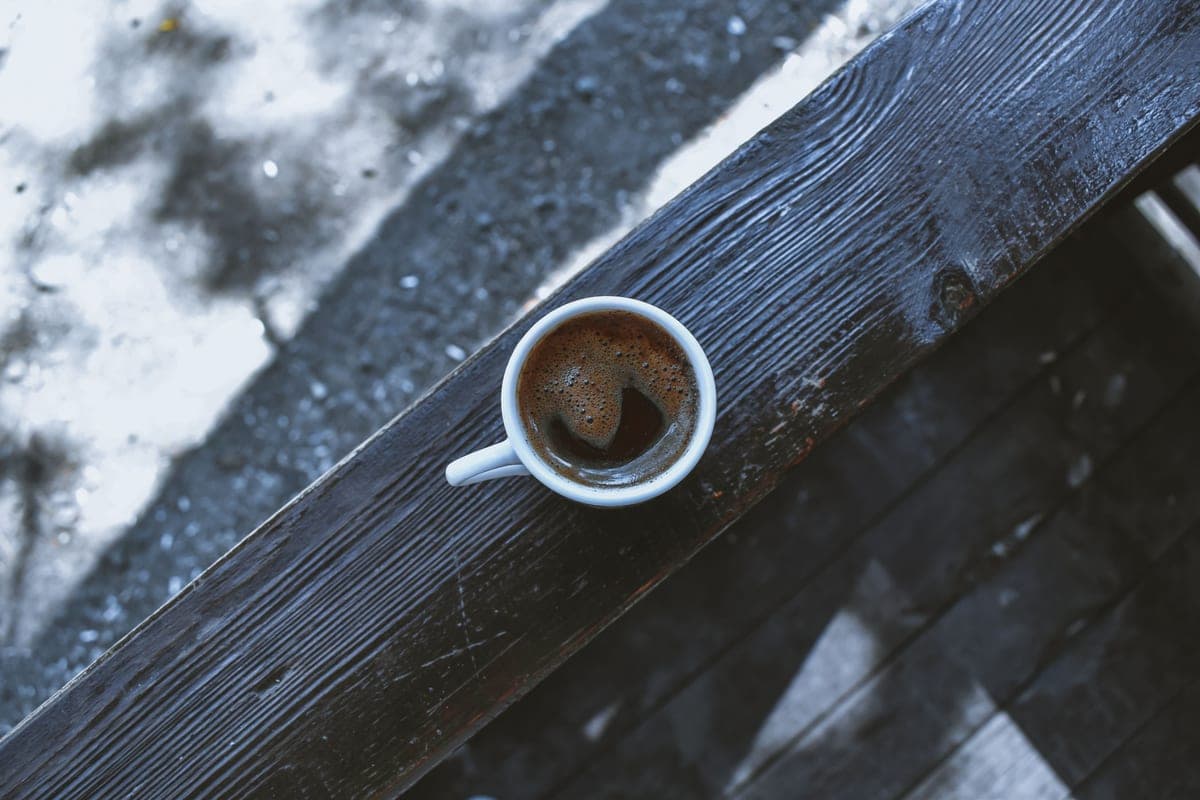
A single shot of espresso contains roughly 63 mg of caffeine, with most sources putting a single shot in the 60–80 mgrange. A double shot — the base of most café drinks — is about 125 mg. For comparison, a standard 8 oz cup of drip coffee holds around 95 mg(commonly cited between 80 and 100 mg). Those figures come from the National Coffee Association and USDA nutrition data, and they hold a small surprise: espresso is much stronger per ounce, but a single shot actually has less total caffeine than a full mug of drip.
The short answer
Here are the numbers most people are looking for, as sourced ranges rather than false precision:
- Single espresso (~1 oz): about 63 mg(range roughly 60–80 mg).
- Double espresso (~2 oz): about 125 mg.
- Drip / brewed coffee (8 oz): about 95 mg(range roughly 80–100 mg, sometimes higher).
So if you drink a single shot, you are taking in less caffeine than a mug of drip. If you drink a double — which is what most espresso drinks are built on — you are in roughly the same ballpark as a cup of drip coffee.
Per ounce vs per cup: why espresso feels so strong
The reason espresso feels so punchy is concentration. That ~63 mg is packed into about one ounce of liquid, while a drip coffee's ~95 mg is spread across eight ounces. Per ounce, espresso has many times the caffeine of drip — which is exactly why a tiny cup hits so hard. But "per ounce" is not the same as "per serving." Because a drip coffee is so much larger, the full mug still delivers more total caffeine than a single shot.
This is also why people often misjudge their intake. A quick single shot feels like a big jolt because it is so concentrated, so it is easy to assume you have had a lot of caffeine when you have actually had less than a mug of drip. Conversely, a large drip coffee sipped slowly over an hour can quietly deliver more caffeine than two espressos — it just does not feel as intense, because the same amount is spread across far more liquid and more time.
Caffeine in lattes, cappuccinos and other milk drinks
Milk does not contain caffeine, so a milk drink has exactly the caffeine of the espresso inside it. A latte or cappuccino built on a double shot has about 125 mg— the same as the double on its own — whether it is a small cappuccino or a large, milky latte. A cortado or macchiato on a single shot carries about 63 mg. So a big latte is nothigher in caffeine than a small cappuccino if both use the same number of shots; it is only larger and milkier. The only thing that changes a milk drink's caffeine is how many (and what kind of) shots go in.
That catches a lot of people out. Ordering a large latte instead of a small one gets you more milk and a bigger cup, but not more caffeine — unless the shop adds an extra shot for the larger size (some do, so it is worth asking). If you specifically want more caffeine, the answer is more shots, not more milk or a bigger cup. And if you want less, ask for a single shot or decaf, since sizing down the drink alone will not reduce the caffeine.
What actually changes the caffeine
Real caffeine content varies, and a handful of factors explain most of the range:
- Bean species — the big one. Robusta beans contain roughly twicethe caffeine of arabica by weight (arabica is around 1.2–1.5 % and robusta around 2.2–2.7 % caffeine by dry weight). A blend with robusta — common in Italian-style espresso — will run higher than a pure-arabica shot.
- Dose. More ground coffee in the basket means more caffeine, which is a straightforward reason a double shot roughly doubles a single.
- Shot length (ristretto vs lungo). Running more water through the same dose extracts a bit more caffeine, so a lungo tends to have slightly more caffeine than a ristretto from the same coffee. The effect is modest compared with dose and bean type.
- Grind and extraction. Finer grinds and fuller extraction pull a little more caffeine, but again the difference is small next to how much coffee you started with.
Caffeine by drink at a glance
| Drink | Typical serving | Caffeine (approx.) |
|---|---|---|
| Single espresso | ~1 oz | ~63 mg (60-80 mg) |
| Double espresso | ~2 oz | ~125 mg |
| Cappuccino / latte (double shot) | 6-12 oz | ~125 mg |
| Cortado / macchiato (single shot) | 3-5 oz | ~63 mg |
| Drip / brewed coffee | 8 oz | ~95 mg (80-100 mg) |
| Decaf espresso | ~1 oz | ~3-16 mg (not zero) |
These are approximate, sourced ranges — real numbers shift with the bean, the dose and the shop. Treat them as reliable ballparks for planning your intake, not exact readings. Even decaf is not truly caffeine-free, typically carrying a few milligrams per shot.
How much caffeine is safe in a day?
For most healthy adults, the U.S. Food and Drug Administration points to about 400 mg of caffeine a day— roughly four or five cups of drip coffee, or the equivalent in espresso — as an amount not generally associated with dangerous or negative effects. That is a general guideline, not a target: sensitivity varies widely from person to person, and the same dose can leave one person fine and another jittery or unable to sleep.
Some groups should aim lower. Health authorities including the American College of Obstetricians and Gynecologists suggest people who are pregnant limit caffeine to under 200 mg a day— about one to two shots' worth. Anyone sensitive to caffeine, prone to anxiety or acid reflux, or taking certain medications may also want to keep intake well below the general limit and avoid it later in the day, since caffeine can linger in the body for several hours. In espresso terms, 400 mg is roughly three double shots plus a little, so a couple of milk drinks and an afternoon single still leave most people comfortably within the guideline — but treat these as ballparks and listen to how your body responds. When in doubt, check with a healthcare professional rather than a coffee blog.
Common caffeine myths
"Dark roast has more caffeine."Not really. Roast level makes only a small difference to caffeine. Roasting burns off a tiny amount, so by weight a dark roast has marginally less; but because dark-roast beans are less dense, a scoop of them can hold slightly fewer beans. Measured carefully, light and dark roasts land very close together — the popular belief that one is dramatically stronger in caffeine is a myth. The real driver is bean species (robusta vs arabica) and how much coffee you use.
"Espresso has the most caffeine of any coffee."Per ounce, yes — but per serving, a single shot has less than a mug of drip, as the numbers above show. A drink is only as caffeinated as the shots inside it, so if you want more, the answer is more (or stronger) shots — see how to pull an espresso shot for how dose and extraction fit together. For the drip-versus-espresso-versus-Americano picture, our coffee vs Americano guide breaks down how dilution changes the drink but not the caffeine.
Frequently asked questions
How much caffeine is in a single shot of espresso?
About 63 mg, with most sources putting a single shot in the 60-80 mg range. A double shot — the base of most cafe drinks — is roughly 125 mg. These figures come from the National Coffee Association and USDA nutrition data and vary a little with the bean, dose and extraction.
Does espresso have more caffeine than drip coffee?
It depends on how you measure. Per ounce, espresso has far more caffeine because it is so concentrated. But per serving, a single ~1 oz shot (about 63 mg) has less total caffeine than an 8 oz cup of drip coffee (about 95 mg). A double espresso, around 125 mg, is closer to — or a bit above — a mug of drip.
How much caffeine is in a latte or cappuccino?
Milk contains no caffeine, so a milk drink has exactly the caffeine of the espresso in it. A latte or cappuccino built on a double shot has about 125 mg, whether it is a small cappuccino or a large latte. The size and amount of milk do not change the caffeine — only the number and type of shots do.
Does dark roast have more caffeine than light roast?
No, that is a myth. Roast level makes only a small difference. By weight, dark roast has marginally less caffeine because roasting burns off a tiny amount, but measured carefully light and dark roasts are very close. The real drivers of caffeine are the bean species (robusta has about double the caffeine of arabica) and how much coffee you use.
Is decaf espresso completely caffeine-free?
No. Decaffeination removes most but not all of the caffeine, so a decaf espresso typically still contains a few milligrams — often around 3-16 mg per shot. It is very low, but not zero, which matters if you are highly sensitive to caffeine or drinking several late in the day.
Sources
- National Coffee Association — Caffeine and coffee: how much is in your cup
- USDA FoodData Central — espresso and brewed coffee caffeine values
- U.S. Food and Drug Administration — Spilling the beans: how much caffeine is too much?
- American College of Obstetricians and Gynecologists — caffeine during pregnancy guidance
- Specialty Coffee Association — coffee science and extraction
Keep reading
Buying your first setup?
See how we pick — compiled specs, cost-per-shot math, and honest trade-offs — then dig into the guides. No fake test lab, no rankings for hire.