Comparison
Ristretto vs Espresso vs Lungo: What's the Difference?
Three shots from the same dose of coffee — the only thing you change is how much water runs through. That one dial, the brew ratio, decides whether you get a short and sweet ristretto, a balanced espresso, or a long and bitter lungo. Here's how each works and when to pull it.
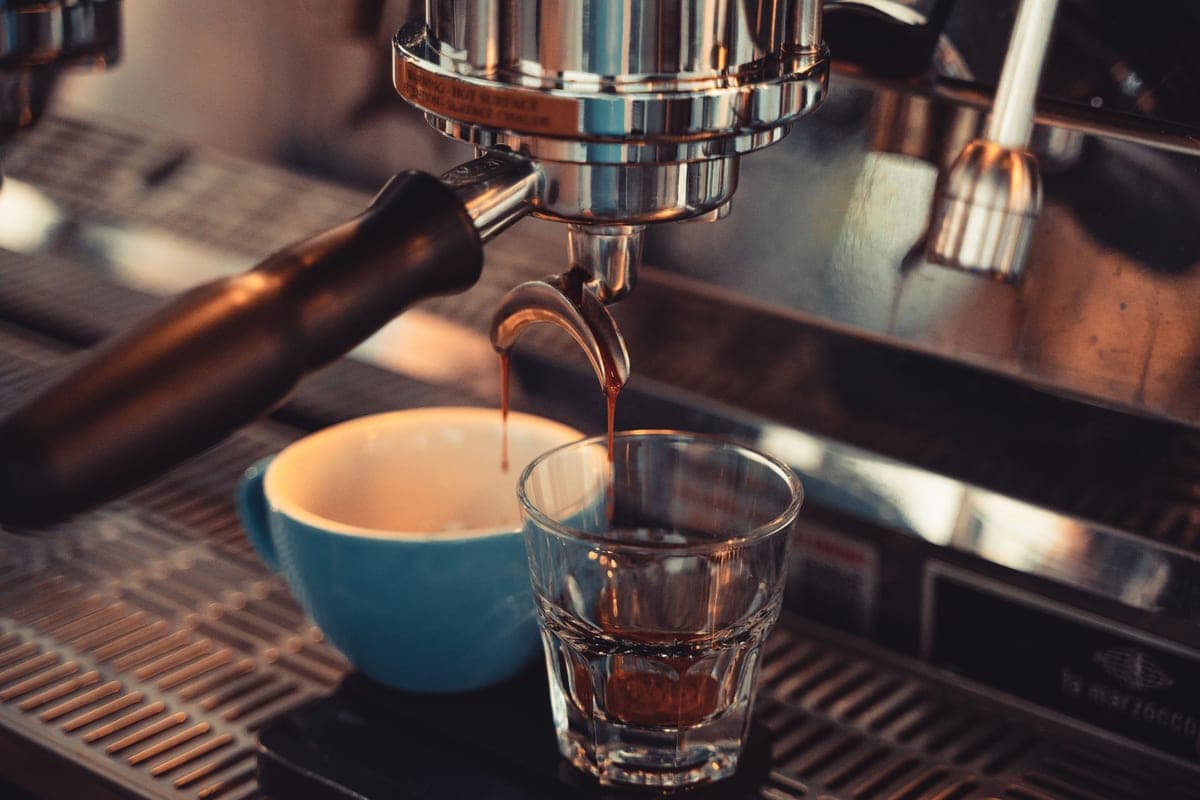
Ristretto, espresso and lungo are not three different coffees — they are three ways to pull the samedose. You put the same amount of ground coffee in the basket; the only thing you change is how much liquid you let run out before you stop the shot. That single choice — the brew ratio— changes how much of the coffee gets extracted, and with it the strength, sweetness and bitterness in the cup. Master the idea and you can dial any of the three on the same machine. It is the heart of how to pull an espresso shot.
The short answer
A ristretto(Italian for "restricted") is a short shot — you stop it early, so less water passes through. Roughly a 1:1 to 1:1.5 ratio of coffee to liquid. It is intense, syrupy and sweet, with less of the bitter compounds because it is under-extracted relative to a full shot. A standard espresso runs to about a 1:2ratio — the balanced middle, with body, sweetness and a little brightness. A lungo ("long") keeps running to about a 1:3 to 1:4 ratio, pulling more out of the grounds: a bigger, thinner cup that is more extracted, more bitter, and slightly higher in total caffeine. Same dose, three different drinks.
Brew ratio: the one dial
"Brew ratio" is simply the weight of dry coffee compared to the weight of liquid espresso in the cup. If you dose 18 g of coffee and stop at 36 gof liquid, that is a 1:2 ratio — a classic espresso. Stop the same 18 g dose at ~20 g and you have a ristretto (about 1:1); let it run to ~60 g and you have a lungo (about 1:3.3). Weighing the shot on a small scale is the most reliable way to hit the ratio you want.
The ratio matters because of extraction— how much of the coffee's soluble material dissolves into the water. The first solubles to come out are the bright, sweet and acidic ones; the last are the heavier, more bitter and astringent ones. A short ristretto stops before many of those late, bitter compounds arrive, so it tastes sweet and intense but can verge on sour if pulled too short. A long lungo keeps extracting well into the bitter end, which is why lungos taste stronger and more bitter even though they are more diluted. The standard espresso ratio sits in the balanced middle. If your shots taste harsh, our guide on why is my espresso bitter covers over-extraction in detail.
Ristretto: the short shot
A ristretto is "restricted" because you cut the shot off early. With the same dose but less water, you capture mostly the sweet, front-of-extraction flavors and leave the bitter tail behind. The result is a small, concentrated, syrupy shot — often described as sweeter and rounder than a full espresso, with a heavier body for its size. It is a favorite base for milk drinks: a double ristretto under a flat white gives a strong, sweet backbone that stands up to the milk.
The trade-off is that a shot pulled too short can be under-extracted — sour, sharp and thin — because the water never reached the sweeter middle of the extraction. A good ristretto usually needs a slightly finer grind so that less water still extracts enough in the time it runs.
When to reach for a ristretto: when you want the sweetest, most concentrated version of a coffee, or a punchy base for a milk drink that will not get lost. It also shines with a fruity light roast, where stopping early keeps the bright, sweet notes and avoids the drying bitterness a longer pull can drag out.
Espresso: the balanced standard
A standard espresso — roughly a 1:2 ratio, often around 25–30 seconds of extraction — is the balanced middle and the reference point everything else is measured against. It brings together body, sweetness and a touch of acidity, capped by a layer of crema. This is the shot behind most café drinks: on its own, or as the base for a cappuccino or latte, an Americano, and everything in between. When people say "a shot," this is what they mean.
When to reach for a standard espresso:almost always, unless you have a specific reason to go shorter or longer. It is the safest way to judge a new coffee, because the balanced ratio shows off the bean's full range — sweetness, body and acidity together — without exaggerating any one of them. Dial this in first; treat ristretto and lungo as deliberate variations once you know what the standard shot tastes like.
Lungo: the long shot
A lungo is "long" because you let far more water run through the same dose — about a 1:3 to 1:4 ratio. Pulling more water through pulls more out of the grounds, so a lungo is more fully (even over-) extracted: bigger in volume, thinner in body, and noticeably more bitter and roasty than an espresso. Because more water contacts the coffee for longer, a lungo also extracts a little more caffeine than the same dose pulled short.
When to reach for a lungo: when you want a larger black coffee that is still espresso in character, or a bit more caffeine from the same beans, and you do not mind a heavier, more roasty profile. Lungos tend to suit darker roasts, whose bolder, lower-acidity flavors hold up to the extra extraction better than a delicate light roast, which can turn thin and bitter when pulled long.
Ristretto vs espresso vs lungo at a glance
| Shot | Brew ratio | Yield (from ~18 g) | Extraction | Taste |
|---|---|---|---|---|
| Ristretto | ~1:1 to 1:1.5 | ~18-27 g | Least (short) | Sweet, intense, syrupy |
| Espresso | ~1:2 | ~36 g | Balanced | Body + sweetness + brightness |
| Lungo | ~1:3 to 1:4 | ~54-72 g | Most (long) | Bigger, thinner, more bitter |
Exact numbers vary with the coffee, the machine and your taste — treat the ratios as starting points, not rules. The reliable pattern is the direction: shorter means sweeter and more intense with less extraction; longer means bigger and more bitter with more extraction, all from the very same dose.
How grind changes with yield
Yield and grind are linked, so you usually adjust grind when you change shot length. Pulling a shorter shot (ristretto) means less water passes through, so you typically go a little finer to slow the flow and extract enough in the shorter run. Pulling a longershot (lungo) sends a lot of water through, so a grind that is too fine will choke or over-extract badly — many people go slightly coarser for a lungo to keep it from turning harsh. Our how to pull an espresso shot guide walks through dialing grind and dose together.
One practical note on caffeine: because a lungo runs more water through the coffee, it usually carries a little moretotal caffeine than a ristretto pulled from the same dose — the opposite of what many people assume. If you want the full picture of how shot length, dose and bean type affect caffeine, see our guide on how much caffeine is in espresso.
A related question worth settling: whether to pull a single or a double in the first place. Our single shot vs double shot guide covers the basket geometry that makes a double easier to brew well.
Frequently asked questions
What is the difference between a ristretto, an espresso and a lungo?
All three use the same dose of ground coffee; the difference is how much liquid you let run through. A ristretto is a short shot (about a 1:1 to 1:1.5 ratio) that is sweeter and more intense. A standard espresso runs to about 1:2 and is balanced. A lungo is a long shot (about 1:3 to 1:4) that is bigger, more extracted and more bitter.
Is a ristretto stronger than an espresso?
It tastes stronger and sweeter because it is more concentrated — less water carrying the same coffee flavors. But in total caffeine, a ristretto usually has slightly less than a full espresso from the same dose, because less water passes through the grounds. So it is more intense in flavor, not necessarily higher in caffeine.
Does a lungo have more caffeine than an espresso?
Usually a little more. A lungo runs more water through the same dose of coffee, and more water contact extracts a bit more caffeine. The difference is modest, and a lungo is more diluted, so per sip it can taste weaker even though the total caffeine is slightly higher.
Should I change my grind for a ristretto or a lungo?
Often, yes. For a ristretto, less water passes through, so a slightly finer grind helps you extract enough in the shorter run. For a lungo, a lot of water passes through, so a grind that is too fine can over-extract and turn harsh — many people go slightly coarser. Adjust grind and taste together until the shot is balanced.
Is a lungo the same as an Americano?
No. A lungo pulls extra water through the coffee puck, extracting more from the grounds, which makes it more bitter and roasty. An Americano is a normal espresso with hot water added afterward, so the extraction is unchanged and it simply tastes like a longer, milder espresso.
Sources
Keep reading
Buying your first setup?
See how we pick — compiled specs, cost-per-shot math, and honest trade-offs — then dig into the guides. No fake test lab, no rankings for hire.