How-To
How to Make Turkish Coffee, Step by Step
The traditional cezve method — a powder-fine grind, cold water measured by the cup, heated slow and low, brought just to a foam without boiling. Here's the full ritual, the mistakes that ruin it, and the one thing most home grinders can't do.
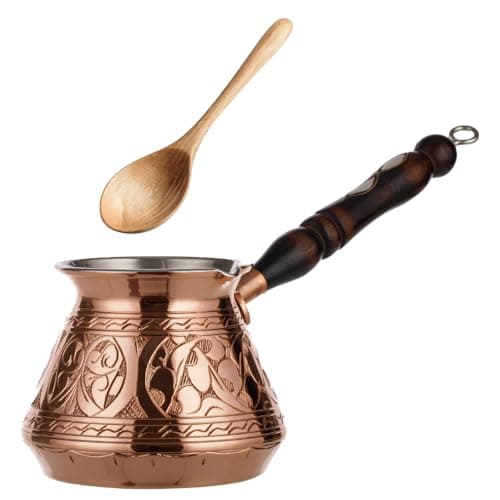
Turkish coffee is one of the oldest brewing methods still made the same way today — so old, and so bound up in hospitality and ritual, that UNESCO added "Turkish coffee culture and tradition" to its Representative List of the Intangible Cultural Heritage of Humanity in 2013. The method itself is disarmingly simple: coffee ground to a powder, cold water, and a small long-handled pot called a cezve (or ibrik), heated slowly until it foams. There is no filter, no pressure, no machine. What it demands instead is patience and one very specific thing — a grind finer than almost anything else you'll make at home.
Done right, it's a tiny, intense, unfiltered cup with a soft cap of foam on top and a sediment of grounds you leave behind at the bottom. Done wrong — boiled, rushed, or ground too coarse — it's gritty and flat. The good news is that the whole thing takes about four minutes and the technique is easy once you understand what each step is for.
What you need
The kit is short and the ingredients are ordinary. The one non-negotiable is the grind, which we'll come back to.
| Cezve (ibrik) | Small long-handled pot, sized in 2-3 oz cups |
|---|---|
| Coffee | Extra-fine, powder-like grind (finer than espresso) |
| Water | Cold, filtered, measured by the serving cup |
| Cups | Small demitasse cups (about 2-3 oz each) |
| Heat | Low — slow and gentle, never a rolling boil |
| Ratio | ~1 heaping tsp coffee per cup of cold water |
A cezve is traditionally hammered copper with a wide base and a narrow neck — the taper is not decorative, it concentrates and holds the foam that Turkish coffee is prized for. Buy a cezve sized close to the number of cups you actually make: it brews best filled roughly two-thirds to three-quarters, so a pot that's far too big for one or two cups won't foam properly.
The step-by-step method
Everything goes into the pot cold— coffee, water, and sugar if you want it — and comes up to temperature together. That slow, gentle rise is what builds the foam and the flavor.
- Measure the water by the cup, cold.Use the same small cups you'll serve in: one demitasse of cold, filtered water per person, poured into the cezve. Cold water is deliberate — it gives the coffee a long, slow extraction as the pot heats, which is where the body and foam come from.
- Add the coffee — and the sugar now, if you take it. Roughly one heaping teaspoon of powder-fine coffee per cup, floated on top of the water. Turkish coffee is sweetened in the pot, never at the table, so if you want it sweet, add the sugar with the coffee now (a common scale runs from unsweetened to lightly, medium, or very sweet).
- Stir gently to combine — while it's still cold. Give it one gentle stir off the heat so the coffee and sugar wet through and no dry powder sits on top. This is the only time you stir. Once the pot is on the burner, you leave it completely alone.
- Set it on low heat and don't touch it.Low and slow is the entire game. Rushing it on high heat scorches the grounds and kills the foam. A single cup should take a few minutes to come up — if it's ready in well under three, your heat is too high.
- Watch for the foam to build. As the pot warms, a dark ring of foam (Turkish köpük or kaymak) forms around the edge and creeps inward, and the surface starts to swell. Do not stir it, do not skim it — just watch.
- Pull it off the instant it rises — before it boils. Just as the foam swells and climbs toward the rim, lift the cezve off the heat. It must never reach a rolling boil: boiling collapses the foam and turns the coffee bitter and flat. This is the single most important moment in the whole method.
- (Optional, traditional) build more foam. For a thicker head, spoon a little foam into each cup, then return the pot to low heat once or twice more, pulling it off each time just before it boils. Each rise adds foam.
- Pour slowly, grounds and all, and share the foam.Pour gently down the side of each cup so the foam sits on top, dividing it evenly — a fair share of foam in every cup is the mark of a well-made pot. The fine grounds go in too; there's no filter.
- Let it settle, then sip from the top. Wait a minute for the powder-fine grounds to sink into a thick sediment at the bottom. You drink the clear coffee above it and leave the mud behind. Serve with a glass of water on the side, and often something sweet.
The grind (why it has to be powder-fine)
This is where Turkish coffee lives or dies. The grind is the finest of any brewing method— not fine like espresso, but finer: a true powder that feels like flour or cocoa when you rub it between your fingers, with virtually no grit. UNESCO's own description of the tradition is blunt about it: the beans are "ground to a fine powder." There's a reason. Turkish coffee is unfiltered and brewed by steeping, so the only way to pull enough flavor out in a few minutes — and to get grounds fine enough to settle into a tidy layer you can drink over — is to grind them to dust.
For context on where this sits versus everything else, our grind size chartlays the methods out from coarsest to finest; Turkish is the far end. And if you're wondering how this cup relates to a shot from a machine, we cover the differences in coffee vs espresso— Turkish is stronger and more concentrated than drip, but it's a steeped brew, not a pressurized one.
Foam and serving
The foam — köpük— is not a garnish; it's the measure of the cup. A well-made Turkish coffee arrives with a stable, creamy cap, and tradition holds that every cup poured from one pot should get its fair share. That's why you heat slow, never boil, and pour carefully: all of it is in service of the foam. If you pour the foamy first pot straight into one cup and leave the rest flat, you've missed the point.
Because it's unfiltered, the grounds are part of the ritual too. You let the cup rest so the sediment settles, sip the coffee from above it, and stop before you reach the mud at the bottom. In many households the empty, grounds-lined cup is then turned over onto its saucer for fal— reading fortunes in the patterns the grounds leave behind. Serve it in small demitasse cups with a glass of water alongside to cleanse the palate, and often a small sweet like Turkish delight or a square of chocolate.
Common mistakes
If your Turkish coffee is gritty, bitter, or foamless, it's almost always one of these:
- Letting it boil.The cardinal sin. A rolling boil destroys the foam and scorches the coffee. Pull the pot off the heat the moment it rises toward the rim — it should foam, never boil.
- Grind too coarse.If it's not a true powder, it won't extract fully in the pot and the grounds won't settle cleanly, so every sip is gritty. Go finer than espresso — flour-fine.
- Stirring once it's heating. Stir only at the start, while cold, to combine. Stirring on the heat knocks down the forming foam.
- Heat too high. High heat rushes the brew, cooks the grounds, and gives you a thin, bitter cup with no foam. Keep it low and let it take its time.
- Adding sugar at the table.Turkish coffee is sweetened in the pot before brewing, not stirred in the cup — stirring the finished cup lifts the settled grounds back into your drink.
- Drinking to the bottom. The last centimeter is sediment. Sip from the top and leave the grounds behind.
If the powder-fine grind and the no-machine, stovetop simplicity appeal to you, another low-cost stovetop method worth learning is the moka pot — see how to use a moka pot for that technique, which uses a coarser grind and a very different brewing action.
Which cezve should you buy?
You don't need much, but you do need a real cezve — the narrow-necked shape is what holds the foam. A solid, traditional choice is the DEMMEX Copper Turkish Coffee Pot, a handmade, engraved copper cezve with a heavy 1mm-thick body, tin-lined interior, and a wooden handle that stays cool on the stove. The roughly 9 oz size makes about three small servings, which suits one or two people comfortably while leaving room for the foam to build.
Two honest notes. First, copper cezves are hand-wash only and, like the classic moka potswe recommend, they reward a quick rinse and a full dry after every use. Second, most copper cezves are not induction-compatible on their own — if you have an induction cooktop, look for a stainless model or use an induction adapter plate. Match the pot's size to how many cups you make, and it'll outlast almost anything else in your kitchen.
Frequently asked questions
What grind size do I need for Turkish coffee?
The finest of any brewing method — a true powder, finer than espresso, that feels like flour or cocoa between your fingers with no grit. This is the single most important detail: a coarser grind won't extract fully in the pot and the grounds won't settle, so the cup turns out gritty and thin.
Can my home grinder grind fine enough for Turkish coffee?
Often not. Many electric burr grinders bottom out at an espresso grind and won't go finer, and blade grinders can't make an even powder. Your best options are a grinder with a dedicated Turkish setting, a good hand grinder set to its very finest, or simply buying coffee pre-ground as 'Turkish' or 'extra fine.'
Why shouldn't Turkish coffee boil?
The foam (köpük) is the whole point, and a rolling boil collapses it and scorches the coffee, leaving it bitter and flat. Heat the cezve slowly on low and lift it off the heat the instant the foam rises toward the rim — it should foam but never reach a full boil. Some people repeat the rise once or twice to build more foam.
How much coffee and water per cup?
Measure the cold water using the small cup you'll serve in — one demitasse per person — and add about one heaping teaspoon of powder-fine coffee per cup, plus sugar now if you want it. Everything goes in cold and heats together; you stir once at the start and then leave it alone.
Do you filter Turkish coffee or drink the grounds?
It's unfiltered. You pour the coffee, grounds and all, then let the cup rest a minute so the fine sediment settles into a thick layer at the bottom. You sip the clear coffee above it and stop before the grounds. Those leftover grounds are also used for fortune-telling (fal) in the tradition.
Sources
Keep reading
Buying your first setup?
See how we pick — compiled specs, cost-per-shot math, and honest trade-offs — then dig into the guides. No fake test lab, no rankings for hire.