Guide
The Coffee-to-Water Ratio, Explained
Weak, watery coffee is almost always a ratio problem, not a bean problem. Here's the golden ratio, the numbers that work for each brew method, and why weighing your coffee beats scooping it every time.
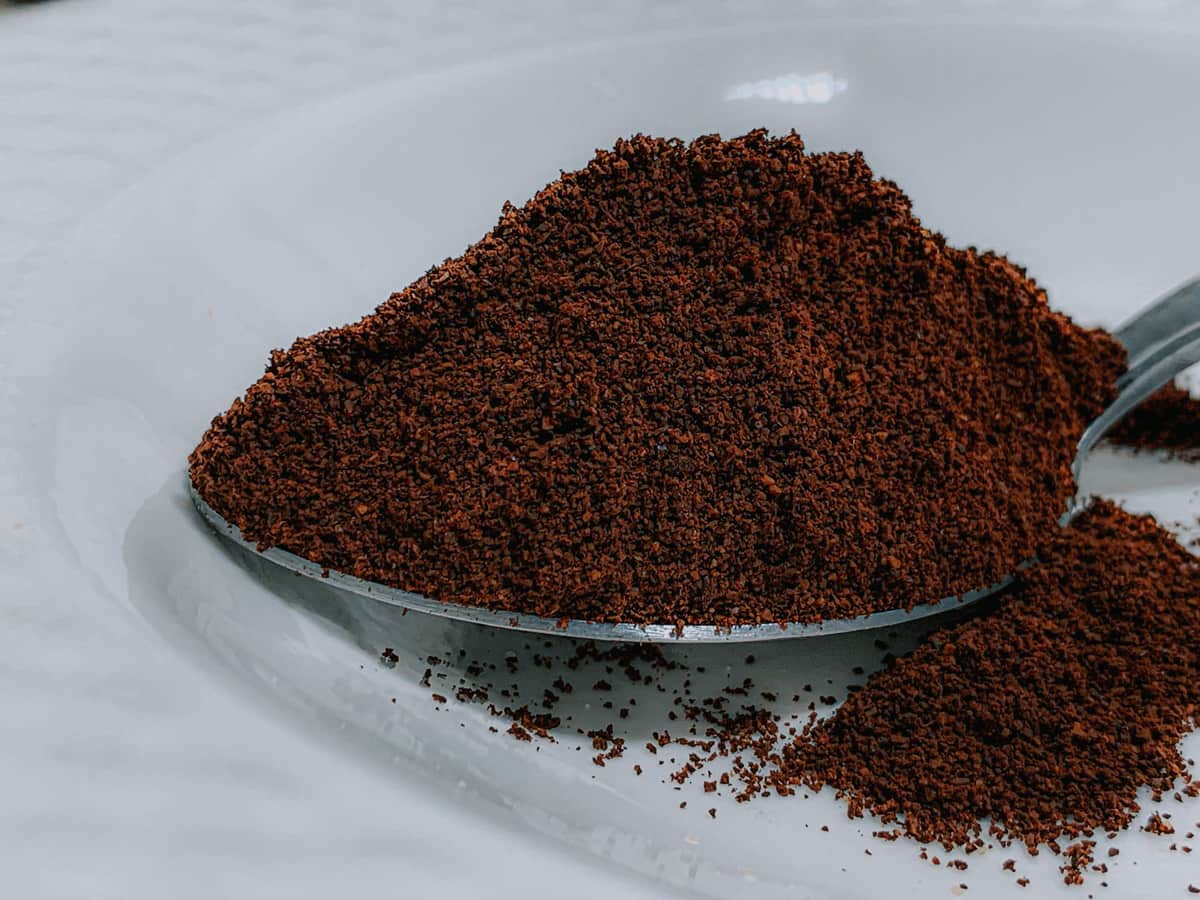
If your coffee keeps coming out weak and watery, or sharp and overpowering, the culprit is usually not the beans, the water or the machine — it's the ratio. A brew ratio is simply how much coffee you use relative to how much water, and it is the single most repeatable lever you have over strength. Nail it once, write it down, and you can make the same cup every morning. Get it wrong and even great beans taste thin or muddy. This guide covers the "golden ratio," the numbers that work for each brewing method, and why an inexpensive coffee scale is the fastest upgrade most home brewers can make.
What a brew ratio actually is
A brew ratio is written as two numbers — coffee : water — measured by weight, in grams. A ratio of 1:16 means one gram of coffee for every sixteen grams of water. Because water is easy to measure, one helpful fact does a lot of work here: one milliliter of water weighs one gram. So 320 g of water is the same as 320 ml, and a 1:16 brew with 20 g of coffee needs 320 g (or ml) of water. You do not need to convert anything — grams of coffee to grams of water is the whole equation.
The reason baristas talk in ratios rather than "two scoops" is that a ratio is portable. It works whether you're brewing one cup or a full carafe, whether the beans are dense or fluffy, and whether you're using a pour over cone or a French press. The numbers scale cleanly, which is exactly what a scoop cannot do.
The golden ratio: 1:15 to 1:18
The Specialty Coffee Association's "Golden Cup" standard, which grew out of mid-century research now stewarded by the SCA and the National Coffee Association, defines a target brew strength and extraction for a balanced cup. Translated into a kitchen ratio, it lands most drip and immersion coffee in the band of roughly 1:15 to 1:18— commonly quoted as the "golden ratio" of about 1:16 to 1:17, or 55–60 g of coffee per liter of water. That is the safe center of the map: land in that range with a decent grind and you will get a cup that is neither watery nor harsh.
Ratios by brew method
Different methods live at different points on the ratio spectrum, mostly because of how long the water and coffee stay in contact and how the drink is meant to be consumed. Here are reliable starting ratios for the common methods:
| Method | Ratio (coffee:water) | Notes |
|---|---|---|
| Espresso | ~1:2 (dose:yield) | Weigh the dose in and the shot out, not water in |
| Pour over / drip | 1:15 to 1:17 | The golden-ratio home base; 1:16 is a great default |
| French press | ~1:15 | Full immersion; coarse grind, 4-minute steep |
| AeroPress | 1:14 to 1:16 | Flexible; many recipes brew strong and dilute after |
| Cold brew | ~1:8 concentrate | Steep 12-18 hrs, then dilute the concentrate 1:1 to taste |
Two of these need a word of explanation. Espresso is measured differently from everything else: instead of coffee-to-water, you use a brew ratio of dose to yield— the weight of dry grounds in the basket versus the weight of liquid espresso in the cup. A modern "normale" shot is about 1:2(for example, 18 g of coffee pulling roughly 36 g of espresso). Tighter ratios like 1:1 (ristretto) taste more concentrated; looser ones like 1:3 (lungo) taste longer and thinner. If you're dialing this in, our guide to how to pull an espresso shot walks through dose, yield and time together.
Cold brew is the other outlier. It's usually brewed as a strong concentrateat around 1:8 (some recipes go as strong as 1:5), steeped for 12–18 hours, then dilutedwith water or milk before drinking — often roughly 1:1 with the concentrate. So the "in the glass" strength ends up much closer to the golden-ratio range; the concentrate ratio just describes what you steep.
Why weighing beats scooping
The reason most home coffee is inconsistent is that people measure coffee by volume — a scoop or a tablespoon — instead of by weight. The problem is that a scoop measures space, not mass, and coffee's density varies constantly. A tablespoon of light-roast beans weighs more than a tablespoon of oily dark roast, whole beans settle differently than ground, and a "heaping" scoop is anyone's guess. The old rule of thumb — about 2 tablespoons (roughly 10 g) per 6 oz cup— is a fine emergency fallback, but it drifts by several grams from scoop to scoop.
A small kitchen or coffee scale removes all of that. You weigh the coffee, weigh (or time-and-pour) the water, and hit the exact same ratio every time — which means when a cup isgreat, you can actually reproduce it. A scale with 0.1 g resolution also unlocks espresso, where a couple of grams changes everything. We cover the models worth owning in our best coffee scale roundup, and if you brew by hand, a scale pairs naturally with a good pour over setup.
Scaling a recipe up or down
Because a ratio is just a proportion, scaling is easy: pick how much coffee you want, then multiply by the second number of the ratio to get your water. Working the other way is just as simple — decide how much brewed coffee you want, then divide by the ratio to find the coffee. A few worked examples at the golden 1:16:
- One mug (~350 ml water): 350 ÷ 16 ≈ 22 g coffee.
- Two mugs (~700 ml water): 700 ÷ 16 ≈ 44 g coffee.
- Starting from beans instead: 30 g of coffee × 16 = 480 g (ml) of water.
Keep the ratio fixed and both numbers move together, so the strength stays identical whether you're making one cup or a dinner-party carafe. This is the whole reason to think in ratios rather than fixed recipes — one number set covers every batch size you'll ever brew.
How ratio, grind and taste fit together
Here is the distinction that trips up almost everyone: ratio controls strength, not extraction. Strength is how concentrated the cup is — how much dissolved coffee is in the water. Extraction is how much of the flavor you actually pulled out of the grounds. They are related but not the same thing, and you adjust them with different tools.
- Too weak / watery / thin?Use more coffee — move toward 1:15 or 1:14. That's a strength (ratio) fix.
- Too strong / intense / heavy?Use less coffee — move toward 1:17 or 1:18. Also a ratio fix.
- Sour, sharp, or lacking sweetness? That's usually under-extraction, not ratio — grind finer, brew a little longer, or use slightly hotter water.
- Bitter, harsh, or drying? Usually over-extraction— grind coarser or shorten the brew.
In practice, grind sizeis the other big dial working alongside your ratio: finer grinds extract faster (and can tip into bitterness), coarser grinds extract slower (and can taste sour or weak). The reliable method is to fix your ratio first, then adjust grind for taste — change one variable at a time so you always know what did what. Our grind size chartshows the right coarseness for each method. And if you're wondering whether a smaller, more concentrated ratio means more of a jolt, see how much caffeine is in espresso — strength of flavor and caffeine content are not the same thing either.
Frequently asked questions
What is the golden ratio for coffee?
The 'golden ratio' is roughly 1:16 to 1:17 by weight — about one gram of coffee for every 16 to 17 grams (ml) of water, or 55-60 g of coffee per liter. It comes from the Specialty Coffee Association's Golden Cup standard for a balanced brew. Treat it as a starting point: move toward 1:15 for a bolder cup or 1:18 for a lighter one.
How do I measure a coffee-to-water ratio without special tools?
The most accurate way is a scale, since one milliliter of water weighs one gram, so grams of coffee to grams of water is the whole equation. Without a scale, the old rule of about 2 tablespoons (roughly 10 g) of coffee per 6 oz cup gets you close, but it drifts by several grams because a scoop measures volume, not weight. A cheap coffee scale is the single most reliable upgrade.
What ratio should I use for espresso?
Espresso uses a dose-to-yield ratio rather than coffee-to-water: the weight of dry grounds versus the weight of liquid espresso in the cup. A modern normale shot is about 1:2 — for example 18 g of coffee pulling around 36 g of espresso. Tighter ratios like 1:1 (ristretto) taste more concentrated; looser ones like 1:3 (lungo) taste longer and thinner.
Does a stronger ratio mean more caffeine?
Not necessarily. Ratio controls strength — how concentrated the cup tastes — which is not the same as total caffeine or extraction. A small, intense espresso can hold less total caffeine than a large mug of drip coffee. Use ratio to dial in strength, and adjust grind and brew time for extraction (sour vs. bitter).
How do I scale a coffee recipe up or down?
Keep the ratio fixed and both numbers move together. To find water, multiply your coffee weight by the second number of the ratio (30 g × 16 = 480 g water). To find coffee, divide your target water by the ratio (350 ml ÷ 16 ≈ 22 g). The strength stays identical whether you brew one cup or a full carafe.
Sources
Keep reading
Buying your first setup?
See how we pick — compiled specs, cost-per-shot math, and honest trade-offs — then dig into the guides. No fake test lab, no rankings for hire.