Comparison
Baratza Encore vs Encore ESP: Which Grinder?
Same beloved, repairable Baratza grinder — but only one of them can pull a real espresso. Here is exactly what changed, and how to pick the right Encore for how you brew.
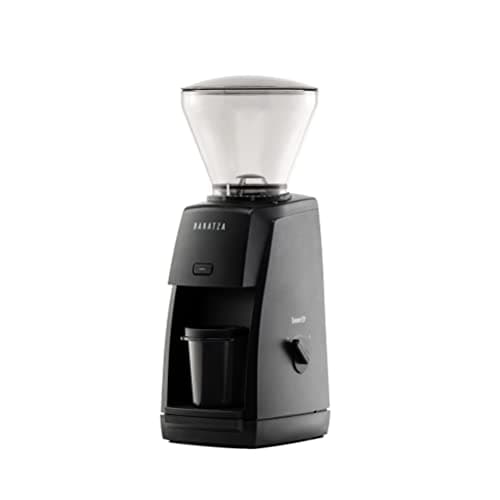
The Baratza Encore is probably the most-recommended home coffee grinder ever made, and the Encore ESP looks almost identical sitting next to it. Same footprint, same plastic body, same repairable Baratza guts. So the question people actually cross-shop is simple: is the ESP just a more expensive Encore, or does the extra money buy something real?
It buys something real — but only if you pull espresso. The ESP is the same grinder recalibrated for the espresso range, with sharper burrs and a dial where the fine control lives exactly where espresso needs it. The original Encore literally cannot grind fine enough for a good shot. If you only brew drip, pour over or French press, that recalibration does nothing for you and the cheaper base Encore is the smarter buy. Below is the honest breakdown, copied from each grinder's published specs.
The short answer
Buy the base Encoreif you brew filter coffee — drip, pour over, AeroPress or French press — and never plan to make espresso. It grinds evenly across that whole range, costs less, and is the same repairable workhorse people have loved for years.
Buy the Encore ESP if you pull espresso, or if you want one grinder that can do espresso and filter. It is the only one of the two that reaches true espresso fineness, and it does it with fine enough steps to actually dial a shot in. If espresso is anywhere in your plans, the small price bump is worth it; if it is not, you are paying for a capability you will never use.
The real difference: burrs, dial calibration and espresso
Three linked changes turn the Encore into the Encore ESP, and they all point at the same goal: making espresso possible.
1. Sharper M2 burrs. The base Encore uses standard 40mm conical burrs tuned for the filter range. The ESP swaps in sharper 40mm M2 conical burrsthat cut rather than crush at fine settings. Cutting cleanly at the fine end means fewer "fines" (coffee dust) muddying the grind, which is exactly what espresso is unforgiving about.
2. A dial recalibrated for espresso.This is the big one. Both grinders have 40 steps, but they are spaced completely differently. On the base Encore the 40 steps are spread across the filter range — roughly 250 to 1,200 microns, pour over up to coarse French press — and the finest setting still bottoms out too coarse for espresso. On the ESP the steps are re-mapped: settings 1 through 20 are fine, roughly 20-micron micro-steps tuned for the espresso range, while 21 through 40 open into larger ~90-micron jumps for filter. In other words, the ESP concentrates half its dial in the narrow band where espresso lives, then gets out of the way for everything coarser.
3. Actual espresso capability. Put those together and you get the headline: the ESP can physically reach espresso fineness, and it can be nudged in increments small enough to dial a shot — finer when it runs too fast, coarser when it chokes — which the base Encore simply cannot do. The ESP also ships with a 54mm dosing cup and a 58mm portafilter adapter so you can grind straight into the basket. The base Encore comes with none of that, because it was never meant to feed an espresso machine.
Why does this matter so much? Espresso forces hot water through a tightly packed puck at around 9 bar in about 25–30 seconds, and that only balances out when the grind is very fine and very even. A grinder with big coarse steps leaves you stuck between a shot that gushes and one that strangles, with nothing usable in between. The full explanation, plus target grind sizes for every method, is in our grind size chart.
At a glance
The two side by side. Tap either "view" button for the live Amazon price; the number on Amazon at checkout is the one that applies.
| Spec | Baratza Encore | Baratza Encore ESP |
|---|---|---|
| Burrs | 40mm conical (steel) | 40mm M2 conical (sharper, steel) |
| Grind settings | 40 stepped (all filter) | 40 stepped (1-20 espresso, 21-40 filter) |
| Espresso step size | N/A (bottoms out too coarse) | ~20 microns per step |
| Filter step size | Even across the dial | ~90 microns per step (21-40) |
| Espresso capable? | No | Yes |
| Best brew methods | Drip, pour over, French press | Espresso plus all filter methods |
| Included accessories | None | 54mm dosing cup + 58mm adapter |
| Build | Repairable, replaceable burrs | Repairable, replaceable burrs |
| Price | $149.95Buy | $199.95Buy |
Prices shown are from Amazon as of October 17, 2026 and change often — the button always goes to the current listing. Some links may earn us a commission at no extra cost to you.
Who each one is for
Buy the base Baratza Encore ifyour coffee is filter, full stop — drip, pour over, AeroPress or French press. It grinds evenly across that whole range, its 40 steps give you fine control right where filter brewing wants it, and it costs less than the ESP. It is the no-regret default for a filter setup, and if pour over is your ritual it slots straight into our best grinder for pour overpicks. Just go in knowing the one hard limit: it cannot make espresso, and no setting or trick changes that. The honest cons are the same ones that apply to the ESP — it is hopper-fed with low-to-moderate retention (a little coffee stays behind between doses), the adjustment is stepped rather than stepless, it is not a fast grinder, and the plastic body is plain. For the money, none of that is a dealbreaker for filter. The full write-up is in our Baratza Encore review.
| Burrs | 40mm conical (steel) |
|---|---|
| Grind settings | 40 stepped |
| Grind range | ~250-1200 microns (pour over to French press) |
| Espresso | Not fine enough for true espresso |
| Retention | Low-to-moderate (hopper-fed) |
| Build | Repairable, user-replaceable burrs |
Buy the Encore ESP ifyou pull espresso now, plan to soon, or want a single grinder that spans espresso through filter. It is the least expensive grinder we would trust to dial in a real shot: the 20-micron micro-steps across settings 1–20 give you the fine control espresso demands, the sharper M2 burrs cut cleanly at that fineness, and it still swings up into the filter range at 21–40 when you want a mug of drip. Pair it with a starter machine and it is the piece that lets that machine actually make good espresso — more on why the grinder outranks the machine in our best grinder for espressoguide. The cons are, again, honest and identical in kind: moderate retention rather than true single dosing, stepped (not stepless) adjustment, an unhurried motor, and the same plain plastic shell. For a first espresso grinder, those trade-offs are easy to accept — the deep dive is in our Baratza Encore ESP review.
| Burrs | 40mm M2 conical (steel, user-replaceable) |
|---|---|
| Grind settings | 40 stepped (1-20 espresso, 21-40 filter) |
| Espresso step size | ~20 microns per step |
| Filter step size | ~90 microns per step |
| Motor | DC, ~550 RPM, ~70W |
| Included | 54mm dosing cup + 58mm portafilter adapter |
The verdict
Neither Encore is "better" — they are the same grinder tuned for two different jobs, and the right pick is decided entirely by whether espresso is on your menu. If you brew filter and only filter, the base Baratza Encoregives you the same repairable design for less money, with slightly finer control in the filter range you actually use. If espresso is in the picture at all — today or down the road — the Encore ESP is the one to buy, because it is the only version that reaches espresso fineness and can be dialed in, and it still handles filter when you want it. Both share the honest limits worth accepting at this price: moderate retention, stepped (not stepless) adjustment, and a plain plastic body. Decide what you brew, and the Encore almost picks itself.
If the reason you are reading this is that you brew both espresso and filter coffee, our best grinder for espresso and pour over guide ranks the whole dual-purpose field, with the ESP at the top of it.
Frequently asked questions
What is the difference between the Baratza Encore and the Encore ESP?
The Encore ESP is built to grind fine enough for espresso, which the original Encore cannot do. It uses sharper 40mm M2 conical burrs and a recalibrated dial where settings 1-20 are fine ~20-micron espresso micro-steps and 21-40 are coarser ~90-micron filter steps. The base Encore spreads its 40 steps across the filter range only and bottoms out too coarse for a real shot. Everything else — the repairable design, low-speed motor, plastic body and hopper feed — is the same.
Can the base Baratza Encore make espresso?
No. The original Encore is an excellent filter grinder, but its finest setting is still too coarse for espresso, and no adjustment or workaround changes that. If you want to pull real espresso, you need the Encore ESP, which was specifically recalibrated to reach espresso fineness with fine enough steps to dial a shot in.
Is the Encore ESP worth the extra money over the base Encore?
It depends entirely on whether you make espresso. If you pull espresso now or plan to, yes — the ESP is the only one of the two that can do it, and the price difference is small next to that capability. If you only brew drip, pour over or French press, the extra money buys nothing you will use, and the cheaper base Encore is the smarter purchase (and actually gives slightly finer control in the filter range).
Can the Encore ESP also grind for pour over and French press?
Yes. Settings 21 through 40 open into larger ~90-micron steps that cover the filter range, from pour over up toward French press, so the ESP works as a one-grinder solution for someone who brews both espresso and filter. If you brew only filter, though, the base Encore covers those methods for less and spreads all 40 steps across the filter range for finer resolution.
Are the Encore and Encore ESP built the same way?
Almost entirely, yes. Both share 40mm conical burrs, a low-speed DC motor, 40 stepped settings, a hopper feed and the same repairable design with user-replaceable burrs and parts. The ESP's burrs are the sharper M2 type and its dial is calibrated differently, but reliability, longevity and serviceability are effectively identical, so the choice comes down to grind range, not build quality.
Sources
Keep reading
Buying your first setup?
See how we pick — compiled specs, cost-per-shot math, and honest trade-offs — then dig into the guides. No fake test lab, no rankings for hire.