Buying Guide
The Best Coffee Beans for Pour Over in 2026
Pour over is the brewer that shows you the bean. Six whole-bean picks chosen on published roast level and each roaster's own tasting notes, ordered for clarity rather than body - plus the two settings that change your cup more than the bag does.
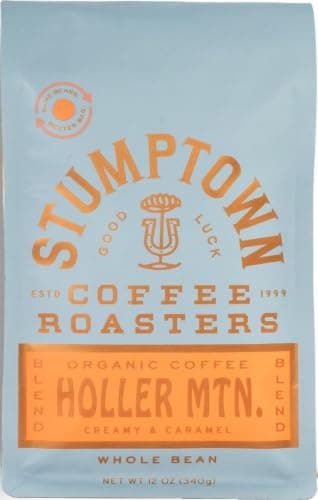
The verdict first. For pour over, buy Stumptown Holler Mountain— a USDA Organic medium roast that is sweet enough to forgive a clumsy pour and bright enough to reward a careful one, which makes it the right bag for almost anyone with a V60, Kalita or Chemex. If you want the cone to show off everything it can do, buy Stumptown Hair Bender instead. And the budget pick is Illy Classico: the cheapest bag on this page that still makes a genuinely good cup, and the one to buy if you would rather spend the difference on a grinder.
Pour over is the most revealing brewer in a home kitchen. A paper filter strips the oils and fines that give immersion coffee its weight, so what is left in the cup is clarity — acidity, sweetness and whatever aromatics the roast preserved, with nothing to hide behind. That cuts both ways. A bag that tastes flat in a French press tastes thin and sour in a V60, and a bag with real character tastes better here than anywhere else you could brew it.
What pour over needs from a bean
A medium roast is the safe centre of the category.Dark roasts have had their origin character roasted out and their solubles pushed toward bitterness, which a fast, filtered brew exposes rather than mellows. Very light roasts can be spectacular in a cone, but they are dense and hard to extract — under-brew one and you get sourness and tea-thin body. A medium roast sits where most home setups can reach the sweet spot without a kettle that holds temperature to the degree.
Whole bean, and a roast date you can read.Pour over punishes stale coffee more obviously than any other method: the bloom collapses, the aromatics are gone and the cup tastes papery. Buy whole bean, grind immediately before brewing, and prefer a bag size you can finish inside two or three weeks of opening — which is why a 10 or 12 oz bag often beats a 2 lb one for a single drinker. Store it properly; our guide to storing coffee beans covers why the freezer is better advice than the fridge.
Published notes you can actually act on. We rank on what the roaster states: roast level, the regions in the blend, certifications, and their own tasting notes. We do not invent scores, and we do not pretend to have cupped these side by side. If a bag is published as chocolate and nuts, that is the cup you should expect; if it is published as citrus and berry, expect a brighter, more acidic brew and dial the grind finer.
How we chose these
Every bag here is a whole-bean coffee with a live retail listing, assessed against the roaster's published roast level, origins, certifications and tasting notes — our full approach is on the methodology page. For pour over specifically we weighted:
- Roast level, toward medium. Five of the six are medium or medium-dark, which is where a cone is most forgiving of an imperfect pour.
- Published clarity over published body. A note list with citrus, berry or stone fruit in it tells you the roast kept acidity, and acidity is what filtered coffee is for.
- Bag size against a single drinker.A 10–12 oz bag finishes fresh. We flag the ones that do not.
- A real budget option. Pour over gear is cheap; the beans should not be the expensive part. The cheapest bag that still makes a good cup is named as the budget pick, not buried.
At a glance
The six side by side. Tap any button for the live Amazon price; the number shown at checkout is the one that applies.
| Coffee | Roast | Published notes | Bag | Best for | Price |
|---|---|---|---|---|---|
| Stumptown Holler Mountain | Medium | Citrus, caramel, berry jam | 12 oz organic | Best overall | $14.98Buy |
| Stumptown Hair Bender | Medium | Complex, bright, chocolatey | 12 oz | Clarity | $21.98Buy |
| Kicking Horse Three Sisters | Medium | Stone fruit, cocoa | 10 oz organic | Organic value | $14.89Buy |
| La Colombe Nizza | Medium | Milk chocolate, nuts, brownie | 12 oz | Low acidity | $14.79Buy |
| Intelligentsia Black Cat | Medium (espresso) | Specialty espresso blend | 12 oz | Cone + espresso | $14.99Buy |
| Illy Classico | Medium | Balanced 100% arabica | Tin | Budget pick | $14.44Buy |
Prices shown are from Amazon as of November 7, 2026 and change often — the button always goes to the current listing. Some links may earn us a commission at no extra cost to you.
Best overall: Stumptown Holler Mountain
Who it is for: anyone who wants one bag to be the right answer in a V60, Kalita or Chemex, and who would rather drink a sweet cup than chase a perfect one.
Holler Mountain is Stumptown's signature organic blend, and the way it is built suits a cone unusually well: chocolate textures from Latin America carry the sweetness while brightness from East Africa keeps the cup from going dull. Stumptown publishes it as a versatile, full-bodied medium roast with notes of citrus, caramel and berry jam, and it is USDA Organic 100% arabica. In practice that combination is forgiving: the caramel sweetness survives a slightly fast pour, and the citrus gives you something to aim at when you start dialling in the grind.
| Roast level | Medium |
|---|---|
| Published notes | Citrus, caramel, berry jam |
| Origins | Latin America and East Africa blend |
| Certification | USDA Organic, 100% arabica |
| Format | 12 oz whole bean |
The honest downside: it is a blend, so it will never give you the single-farm distinctiveness a light-roast single origin can. That is the trade you are making for consistency bag to bag, and for most people brewing before work it is the right one.
Best for clarity and complexity: Stumptown Hair Bender
Who it is for: the drinker who already pours well, owns a decent grinder, and wants the cone to do the thing cones are famous for.
Hair Bender is Stumptown's multi-region specialty blend, published as complex, bright and chocolateyand designed to work as espresso as well as filter. The brightness is the point here. A paper filter preserves acidity better than any other brewer in your kitchen, so a bag with real acidity to preserve tastes more interesting in a V60 than it does anywhere else. It is also the most expensive bag on this page, and it asks more of you — an uneven grind or water that has dropped below temperature shows up as sourness rather than as nothing.
| Roast level | Medium |
|---|---|
| Published notes | Complex, bright, chocolatey |
| Origins | Multi-region specialty blend |
| Also works as | Espresso |
| Format | 12 oz whole bean |
Best organic value: Kicking Horse Three Sisters
Who it is for: the drinker who wants certified-organic and Fairtrade coffee without paying specialty-roaster prices, and who brews one or two cones a day.
Three Sisters is a certified-organic, Fairtrade medium roast sourced from Central and South America and published as well-rounded with stone fruit and cocoa. Stone fruit is the useful word in that list: it tells you the roast kept some acidity, which is what you want from a filtered brew. It comes in a 10 oz bag, which is the right size for a single drinker to finish while it is still fresh — a genuine advantage over the warehouse-sized bags that look cheaper per ounce and taste worse by week four.
| Roast level | Medium |
|---|---|
| Published notes | Well-rounded, stone fruit, cocoa |
| Origins | Central and South America |
| Certification | Organic and Fairtrade |
| Format | 10 oz whole bean |
Best low acidity: La Colombe Nizza
Who it is for: the drinker who finds bright pour over sour, or who takes their cone with a splash of milk.
Nizza is La Colombe's medium roast, published as milk chocolate, nuts and brownie with a honey-sweet roasted nuttiness. There is no fruit note in that list and no acidity claim — which is exactly why it belongs on this page. Plenty of people try pour over, taste the acidity a cone preserves, and conclude they dislike the method. Often they just dislike bright coffee. Brew Nizza in the same V60 and the cup comes out sweet and round, with the clarity of a filter and none of the citrus.
| Roast level | Medium |
|---|---|
| Published notes | Milk chocolate, nuts, brownie |
| Acidity claim | None published |
| Best with | Black or a splash of milk |
| Format | Whole bean |
Best one bag for cone and espresso: Intelligentsia Black Cat
Who it is for: the kitchen with a V60 and an espresso machine that does not want two open bags going stale in parallel.
Black Cat Classic is Intelligentsia's specialty espresso blend, and it is roasted for the pressure and short contact time of a shot. That makes it denser and sweeter than a filter-first roast, and it brews perfectly respectably in a cone if you go a step coarser than you would for a medium filter roast. It is the compromise pick, and we are calling it that: a dedicated filter bag will out-brew it in a V60, and a dedicated espresso roast will out-pull it in a basket. One open bag instead of two is often worth more than either margin. If espresso is your main method, our best coffee beans for espresso page ranks the field properly.
| Roast level | Medium, roasted for espresso |
|---|---|
| Type | Specialty espresso blend |
| Pour over grind | A step coarser than a filter roast |
| Certification | 100% arabica |
| Format | Whole bean |
Budget pick: Illy Classico
Who it is for: the drinker who wants a good cone for the least money, and anyone who would rather put the saving toward a burr grinder.
Classico is the cheapest coffee on this page and the most consistent. It is a 100% arabica medium roastsold in a pressurised tin, and the whole proposition is that it tastes the same every time — which, when you are learning to pour, is worth more than complexity. It will not give you berry jam or stone fruit, and the tin format means you are buying a blend engineered for shelf stability rather than a bag with a recent roast date. Named as the budget pick because it is the cheapest bag here that genuinely does the job, not because it is a compromise we are hiding.
| Roast level | Medium |
|---|---|
| Type | 100% arabica blend |
| Published character | Balanced, consistent |
| Format | Pressurised tin, whole bean |
| Role here | Budget pick |
Grind and ratio beat the bag
Honest order of operations: which bag you buy is the third most important decision in your pour over, behind the grinder and the ratio. A blade grinder produces boulders and dust at the same time, and in a cone that means a brew that is simultaneously over- and under-extracted no matter how good the beans were. A burr grinder is the upgrade that changes everything; our best grinders for pour over page ranks the field, and the grind size chart tells you where to start.
Ratio is the second lever and it is free. Most pour over recipes land between 1:15 and 1:17 coffee to water by weight; our coffee to water ratio guide works through the arithmetic, and how to make pour over coffee covers the bloom and the pour itself. Get those two right with Illy Classico and you will beat a careless brew with the most expensive bag on this page.
The bottom line
Stumptown Holler Mountain is the bag to buy if you want one answer: organic, medium, sweet enough to forgive you and bright enough to reward you. Want the cone at full stretch? Hair Bender. Want organic on a budget? Kicking Horse Three Sisters. Find bright coffee sour? La Colombe Nizza. Brewing espresso from the same bag? Intelligentsia Black Cat. And if the budget is the constraint, Illy Classico plus a burr grinder beats any bag here plus a blade grinder.
Frequently asked questions
What are the best coffee beans for pour over?
Stumptown Holler Mountain is the best all-round choice: a USDA Organic medium roast published as citrus, caramel and berry jam, built from Latin American chocolate and East African brightness. It is sweet enough to forgive an imperfect pour and bright enough to reward a careful one. If you want maximum clarity and complexity, Stumptown Hair Bender is the step up; if bright coffee tastes sour to you, La Colombe Nizza is the low-acidity pick; and Illy Classico is the budget pick.
Should I use a light or medium roast for pour over?
Medium is the safer default for most home setups. Light roasts can be spectacular in a cone because a paper filter preserves acidity, but they are dense and hard to extract, so an uneven grind or water below temperature gives you a sour, thin cup. A medium roast puts the sweet spot within reach of a mid-range grinder and a standard kettle. Dark roasts are the weakest choice here - the filter strips the oils that carried their body and leaves the bitterness exposed.
Does the grinder matter more than the beans for pour over?
Yes. A blade grinder produces boulders and dust simultaneously, which in a cone means part of the bed over-extracts while part under-extracts no matter how good the coffee was. A burr grinder is the single biggest upgrade available to a pour over drinker. If you are choosing between a better bag and a better grinder, buy the grinder and brew Illy Classico through it.
What grind size should I use for pour over?
Start at a medium grind - roughly the texture of table salt - for a V60 or Kalita Wave, and a step coarser for a Chemex because of its thicker filter. Then adjust by taste: if the cup is sour and the brew ran fast, go finer; if it is bitter and the drawdown stalled, go coarser. Our grind size chart has the starting points for every brewer, and the coffee to water ratio guide covers the dose arithmetic.
How fresh do pour over beans need to be?
Fresher than for any other brewing method. A paper filter strips body, so aromatics do most of the work in the cup, and those fade first. Buy whole bean, grind immediately before brewing, and prefer a 10 or 12 oz bag you can finish within two to three weeks of opening rather than a bulk bag that goes flat. Store it sealed and away from heat and light.
Sources
- Stumptown Coffee Roasters - Holler Mountain (roast level, origins, published notes, USDA Organic)
- Stumptown Coffee Roasters - Hair Bender (multi-region blend, published notes, espresso and filter use)
- Kicking Horse Coffee - Three Sisters (organic and Fairtrade certification, origins, published notes)
- La Colombe - Nizza (medium roast, published tasting notes)
- Intelligentsia Coffee - Black Cat Classic Espresso (specialty espresso blend)
- illy - Classico whole bean (100% arabica medium roast)
Keep reading
Buying your first setup?
See how we pick — compiled specs, cost-per-shot math, and honest trade-offs — then dig into the guides. No fake test lab, no rankings for hire.