Guide
Coffee Beans vs Espresso Beans: What's Actually Different?
There is no espresso plant. 'Espresso beans' are ordinary coffee beans roasted and blended with one brewing method in mind — but that choice does change what ends up in your cup.
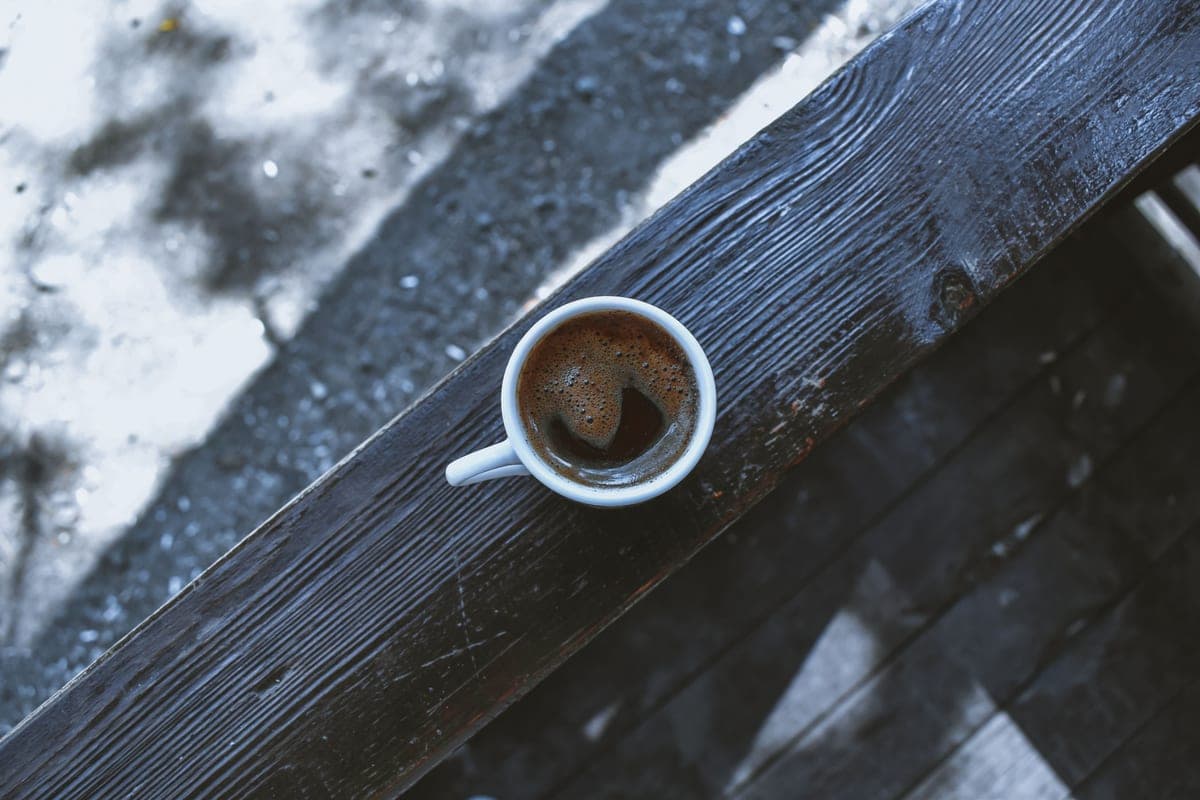
Stand in front of a supermarket coffee shelf and there are bags marked "coffee" and bags marked "espresso." The obvious inference is that these are two different products, and that putting the wrong one in your machine would be a mistake.
Here is the short answer: they are the same beans. There is no espresso plant and no espresso variety. Every bag on that shelf holds the seeds of the same coffee cherries, grown on the same species of plant. "Espresso" on a bag describes an intention— how the roaster expects you to brew it — not an ingredient.
That said, the intention is not meaningless. Roasters really do make different choices for espresso, and those choices genuinely change how the coffee behaves under nine bars of pressure. This guide covers what actually differs, and when it matters.
They're the same bean, botanically
Nearly all coffee sold anywhere comes from two species: Arabica, which is sweeter, more acidic and more aromatic, and Robusta, which is harsher and more bitter but higher in caffeine and known for producing thick crema. Both get sold as "coffee" and both get sold as "espresso." Neither is the espresso species, because there is no espresso species.
The one place this distinction does show up is in traditional Italian espresso blends, which often include some Robusta specifically for body and crema. That is a blending decisiona roaster made, though — not a different plant grown for espresso drinkers. A bag of 100% Arabica beans labeled "espresso" and a bag of the same 100% Arabica labeled "coffee" may well contain beans from the same farm.
What actually differs
| Factor | Bags labeled 'coffee' | Bags labeled 'espresso' | Does it matter? |
|---|---|---|---|
| The bean itself | Arabica and/or Robusta | Arabica and/or Robusta | No — identical |
| Roast level | Anything from light to dark | Usually medium to dark | Yes — the biggest real difference |
| Blend vs single origin | Often single origin | Usually a blend | Yes — blends are built for consistency |
| Grind (if pre-ground) | Medium, for drip | Fine, for espresso | Yes — and it's the easiest mistake to make |
| Freshness needs | Forgiving | Less forgiving | Somewhat — espresso exposes staleness faster |
Roast level: the difference that's real
If only one line of this page sticks, make it this one. Beans sold for espresso are usually roasted darker, and there is a good technical reason for it rather than just tradition.
Espresso is an extreme extraction: very hot water forced through very finely ground coffee at around nine bars of pressure, in about 25 to 30 seconds. That process pulls out acidity fast and aggressively. A light roastretains a lot of bright, fruity, acidic character — which is lovely in a pour over, where a gentle three-minute extraction shows it off — but under espresso pressure that same brightness often lands as flatly sour.
A darker roast has already burned off much of that acidity and developed heavier caramel, chocolate and roasted notes. Those survive the pressure and read as rich and balanced rather than sharp, and they also cut through milk, which matters when most espresso is drunk as a latte or cappuccino. Darker roasts are also more forgiving to dial in— a light roast for espresso is genuinely advanced-level work, needing precise grind, temperature and ratio to taste good. Our light roast vs dark roast espresso guide goes further into that, including why a pressurized basket closes the light-roast option entirely.
Blend vs single origin
Espresso beans are usually blends; filter coffee is more often single origin. That is a deliberate choice about what each method is for.
A blend is engineered for balance and consistency. A roaster combines beans from different origins so that one contributes body, another sweetness, another crema — and so that the blend tastes the same next year when this season's harvest differs. Espresso concentrates everything, including flaws, so a bean that is merely interesting can become unbalanced as a shot. Blends smooth that out.
A single origin is chosen to express one place— the specific florals of an Ethiopian, the chocolate of a Colombian. That distinctiveness is the entire point, and a paper-filtered brew method displays it best. Single-origin espresso absolutely exists and can be superb, but it is less forgiving and usually needs more dialing in.
Grind: the trap that actually catches people
Here is where buying the wrong bag genuinely goes wrong, and it has nothing to do with the bean. If you buy pre-groundcoffee, the label is telling you about the grind, and grind is not a preference — it is a requirement.
Pre-ground "espresso" is milled very fine, close to powdered sugar, because espresso needs enough resistance to build pressure. Pre-ground "coffee" is milled medium, like sand, for drip machines. Put medium-ground coffee in a portafilter and water rushes through in a few seconds, giving a pale, sour, watery shot. Put fine espresso grind in a French press and you get a bitter, silty mug you can barely plunge.
Our grind size chart maps the right coarseness to every method. And the real fix, if you are serious: buy whole beans and grind them yourself. That way the label stops mattering entirely, you set the grind to whatever you are brewing today, and the coffee is dramatically fresher. It is also why we push burr grindersso hard — espresso in particular demands a consistency that a blade grinder cannot produce. For the freshness half of the argument, including how long whole beans and grounds actually last, see how to store coffee beans.
Can I use regular coffee beans for espresso?
Yes.Any whole bean can be pulled as espresso, and any bean sold for espresso can be brewed as filter coffee. Nothing will break, and nothing is being used "wrong."
What changes is how easy it is to make it taste good. Using a light filter roast for espresso means fighting sourness with grind, temperature and ratio adjustments. Using a dark espresso roast in a pour over often lands heavy, roasty and a bit flat, without the clarity that method exists to deliver. Both are workable; neither is the path of least resistance.
The practical middle ground, if you brew both ways and do not want two bags open, is a medium roast— dark enough not to go sour under pressure, light enough to keep some character through paper. That is exactly the niche the third pick below fills.
Which should you buy?
Buy for your brewer, and buy whole bean if you can. These are three honest starting points, all widely available and all roasted with espresso in mind.
Lavazza Super Cremais what most people picture when they say "espresso beans": an Italian-style medium blend that is easy to dial in, throws a generous crema, and stays mild enough to sit under milk without fighting it. It is the low-risk first bag for a new machine.
Intelligentsia Black Catis the step up into specialty roasting — a blend built specifically for espresso, noticeably sweeter and more characterful than supermarket options, but still balanced enough that it does not demand expert dialing in. Buy this when the first bag has taught you what you want more of.
Stumptown Hair Bender is the dual-purpose answer. It is a medium roast that genuinely performs as espresso and as filter coffee, which makes it the sensible single bag for a household that owns both a machine and a pour over setup.
Prices shown are from Amazon as of October 17, 2026 and change often — the button always goes to the current listing. Some links may earn us a commission at no extra cost to you.
For the fuller field — including what to look for on a roast date and how to store beans once the bag is open — see our best coffee beans for espresso roundup. And if the question behind your question is really about the drinks rather than the beans, coffee vs espresso compares them in the cup.
Frequently asked questions
Is there a difference between coffee beans and espresso beans?
Not botanically — they're the same beans from the same plants. 'Espresso' on a bag describes how the roaster expects you to brew it, not a different ingredient. What genuinely differs is roast level (espresso beans are usually roasted darker), whether it's a blend or single origin, and, if it's pre-ground, the grind size.
Can I use regular coffee beans to make espresso?
Yes. Any whole bean can be pulled as espresso. The catch is that light filter roasts often taste sour under espresso's fast, high-pressure extraction, because that process pulls acidity out aggressively. If your shots taste thin and sour with a light-roast single origin, try a medium or medium-dark roast before adjusting anything on the machine.
Why are espresso beans roasted darker?
Because espresso extraction is extreme — very hot water forced through fine grounds at around 9 bar in 25-30 seconds — and it pulls out acidity fast. A darker roast has already burned off much of that acidity and developed caramel and chocolate notes that survive the pressure and cut through milk. Darker roasts are also more forgiving to dial in.
Can I use espresso beans in a drip coffee maker?
Yes, as long as they're whole beans you grind to the right size for your brewer. The result tends to taste heavier and roastier than a filter-roast would, with less of the brightness that a paper-filtered method is good at showing. If you buy pre-ground espresso, don't use it in a drip machine or French press — that fine grind will over-extract and taste bitter.
What's the difference between Arabica and Robusta for espresso?
Arabica is sweeter, more aromatic and more acidic; Robusta is harsher and more bitter but higher in caffeine and produces thicker crema. Traditional Italian espresso blends often include some Robusta specifically for body and crema. Both species are sold as both 'coffee' and 'espresso' — the split is a blending decision, not an espresso-versus-coffee one.
Do I need to buy special beans for my espresso machine?
No, but a medium to medium-dark roast will make your life much easier while you learn. Buy whole beans rather than pre-ground so you control the grind, check for a roast date rather than a best-before date, and use them within a few weeks of roasting. Beyond that, a bean labeled 'espresso' is simply a roaster telling you they built it for pressure.
Sources
- National Coffee Association — coffee species, roast levels and what roasting changes
- Specialty Coffee Association — extraction and brewing fundamentals
- Lavazza — Super Crema blend composition and roast profile
- Intelligentsia — Black Cat Classic Espresso product information
- Stumptown — Hair Bender blend product information
Keep reading
Buying your first setup?
See how we pick — compiled specs, cost-per-shot math, and honest trade-offs — then dig into the guides. No fake test lab, no rankings for hire.