How-To
How to Use an AeroPress, Step by Step
A foolproof method for a clean, smooth, low-bitterness cup. Here's the standard AeroPress method, the inverted variation and its safety caveat, how to dial the taste in, and the fastest cleanup in coffee.
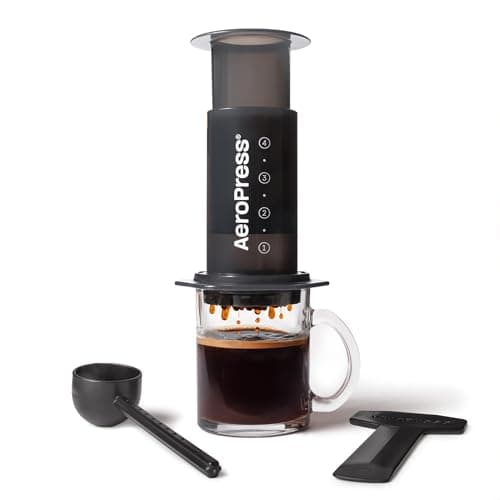
The AeroPress is the most forgiving brewer in coffee. It steeps grounds briefly like an immersion brewer, then you press the coffee through a paper filterwith light hand pressure — and that combination gives a cup that's clean and smooth like pour over but with a little more body, in under two minutes and with almost nothing to clean up. It's hard to make a genuinely bad cup with one. But there's a difference between a decent AeroPress coffee and a great one, and it comes down to a handful of variables: grind, ratio, water temperature and how gently you press. Get those right and the AeroPress produces a low-bitterness, sweet, forgiving cup every single morning.
Below is the foolproof standard method straight from AeroPress's own instructions, the popular inverted variation (with the safety caveat AeroPress themselves attach to it), how to fix a cup that comes out too bitter or too sour, and how to clean the thing in about ten seconds.
What you need
The kit is short and it never changes: an AeroPress, a paper filter, fresh coffee ground medium-fine, hot water and a mug to brew onto. Here are the numbers AeroPress recommends as a starting point — treat them as the middle of the dial, not gospel, and adjust to taste.
| Brewer | AeroPress (Original, Clear, Go or XL) |
|---|---|
| Coffee | 16-18 g per cup (~1 heaping scoop), fresh |
| Grind | Medium-fine (finer than drip, coarser than espresso) |
| Water temp | ~185°F / 85°C (boiling is fine without a thermometer) |
| Ratio | About 1:15 to 1:16 (a good starting point) |
| Filter | Paper (rinse first) — reusable metal optional |
| Total time | ~1-2 minutes including cleanup |
A few notes on those. AeroPress suggests a medium-finegrind — roughly a Baratza Encore setting of 11–13 for reference — which is finer than drip but well short of espresso-fine. Their recommended water temperature is 185°F (85°C), noticeably below boiling; the lower temperature is a big part of why the AeroPress cup tastes so smooth and un-bitter, because scorching-hot water pulls harsher compounds out of the grounds. If you don't own a thermometer or a variable-temperature kettle, boiling water works fine — just let it sit off the boil for 30–60 seconds first. For dialing the grind in precisely, keep the grind size chart handy, and if you are still choosing the grinder, our best grinder for an AeroPress guide ranks the field on how much of the AeroPress range each one covers.
The standard method (step by step)
This is AeroPress's own recommended "normal" method — brewer sitting right-side up on your mug. It's stable, safe and repeatable, and it's the one to learn first.
- Put a paper filter in the cap, rinse it, and twist the cap onto the chamber. Drop a paper filter into the filter cap and run a little hot water through it — rinsing washes out any papery taste and pre-warms the brewer. Twist the cap onto the bottom of the chamber, then stand the chamber on a sturdy, standard-sized mug.
- Add the coffee and level it.Add about 16–18 g of medium-fine ground coffee (one heaping AeroPress scoop) into the chamber and give it a gentle shake to level the bed. An even bed extracts evenly.
- Pour hot water to the #4 mark.Pour your ~185°F water in, up to the #4 line on the side of the chamber, making sure every ground gets wet. This is the standard single-cup pour; use the chamber's numbered marks to stay consistent day to day.
- Stir gently for about 3 seconds.A quick, gentle stir with the paddle wets any dry clumps and starts an even extraction. Don't thrash it — over-agitation is a fast track to bitterness.
- Insert the plunger and create a light vacuum, then steep.Slide the plunger about half an inch into the chamber, then pull up very slightly — that tiny vacuum stops the coffee dripping through while it steeps. Wait about 60 seconds (closer to 30 seconds if your coffee is freshly ground and very fresh).
- Press slowly and gently until you hear the hiss.Press straight down with slow, constant, gentle pressure — the whole press should take 20–30 seconds. Don't force it; leaning on the plunger over-extracts and adds bitterness. Stop pressing the moment you hear the hiss or roar of air pushing through the coffee bed. That hiss is your signal that the water is gone — going past it just squeezes bitter steam through.
- Dilute or drink.What you've made is a strong, concentrated cup. Drink it as is, or top it up with hot water for a longer, Americano-style cup, or with milk. Add the water after brewing rather than over-diluting the brew itself.
The inverted (upside-down) method
The inverted methodis a popular enthusiast variation: you assemble the AeroPress upside down — plunger at the bottom, open chamber on top — so nothing can drip through while it steeps. People use it to get a longer, more controlled steep without any premature drip-through, and to brew with coarser grinds. It can make a lovely cup, and most of the World AeroPress Championship recipes are built around it.
If you still want to try it, the sequence is: seat the plunger a couple of inches into the chamber and stand the whole thing upside down (plunger down, open chamber up); add your coffee and pour in the hot water; stir and steep for your chosen time; twist on the filter cap with a rinsed paper filter; then carefully flip the assembled brewer over onto your mug and press gently to the hiss as usual. Given AeroPress's own caution, for everyday brewing we'd point most people to the standard method plus the plunger-seal trick for longer steeps — you get the control without the wobble.
Dialing in the taste (too bitter or too sour)
Almost every AeroPress problem is an extractionproblem, and the fixes are the same logic as any other brewer: bitter means you pulled too much out of the grounds (over-extracted); sour and thin means you didn't pull enough (under-extracted). Change one variable at a time so you know what did what.
If it's too bitter, harsh or drying (over-extracted):
- Grind a little coarser.Too fine is the number-one cause of a bitter AeroPress cup — it also makes the plunger hard to press.
- Cool the water downtoward 185°F / 85°C (or lower) instead of using a rolling boil.
- Shorten the steep and press a bit sooner, and press more gently— a slow, light press extracts less than a hard shove.
- Stir less. Over-agitation over-extracts; a single gentle stir is enough.
If it's too sour, weak or thin (under-extracted):
- Grind a little finer to slow the water down and pull more from the grounds.
- Use hotter water (closer to boiling) and a slightly longer steep.
- Add a touch more coffee— nudge the ratio toward 1:15 — and make sure all the grounds got fully wet during the pour.
The same over- vs under-extraction logic explains most bitter coffee across every method — we walk through it in detail in why is my espresso bitter, and it maps straight onto the AeroPress. And because grind consistency is what makes any of these adjustments repeatable, a burr grinder matters more here than the exact number on the dial.
Cleaning and care
Cleanup is the AeroPress's party trick and the main reason people reach for it on a weekday. There are no wet grounds to scoop and no multi-piece mesh filter to scrub.
- Eject the puck.Unscrew the filter cap, hold the brewer over the trash or compost, and push the plunger the last inch — the compressed puck of grounds and the paper filter pop straight out together. That's the whole mess, gone in one motion.
- Rinse the seal and cap.Give the rubber seal on the end of the plunger and the filter cap a quick rinse under the tap, wipe the chamber, and you're done. No soap needed for a daily rinse.
- Deep-clean occasionally. Every so often, wash all the parts with a little mild dish soap to clear any built-up coffee oils, and let everything air-dry. The parts are also top-rack dishwasher safe if you prefer.
- Ease the seal if it dries out. If the rubber seal ever gets stiff or starts to squeak, a quick wash and dry usually sorts it; the seal is replaceable if it wears out after years of use.
Which AeroPress should you buy?
If you're buying your first one, the AeroPress Originalis the default recommendation — the full-size classic that ships with a stack of paper filters plus the scoop, stirrer and funnel. It's inexpensive, close to indestructible, and it's the model every recipe in this guide is written for.
There are a few variants worth knowing about: the AeroPress Clear is the same brewer in tougher, see-through material; the AeroPress Go is a compact travel version with a built-in mug; and the AeroPress XLbrews larger batches. Which one fits you depends on how and where you brew — we compare the whole lineup, including capacities and trade-offs, in our best AeroPress roundup. Still deciding whether the AeroPress is even the right brewer for you? See how it stacks up in AeroPress vs French press and AeroPress vs pour over.
Frequently asked questions
What coffee-to-water ratio should I use in an AeroPress?
A good starting point is about 1:15 to 1:16 — roughly 16 to 18 grams of coffee (one heaping AeroPress scoop) per single cup, with water poured to the #4 mark on the chamber. Go a little stronger (toward 1:15) if the cup tastes thin or sour, and dilute the finished brew with hot water afterward rather than over-watering the steep.
What grind size is best for an AeroPress?
Medium-fine — finer than drip coffee but coarser than espresso (roughly a Baratza Encore setting of 11 to 13 for reference). If the plunger is hard to push or the cup tastes bitter, your grind is too fine; grind a little coarser. If the coffee is weak and sour, grind finer. A burr grinder keeps the grind even, which matters more than the exact setting.
What water temperature should I use?
AeroPress recommends about 185°F (85°C), which is noticeably below boiling and a big reason the cup tastes so smooth and low in bitterness. If you don't have a thermometer or variable-temperature kettle, boiling water is fine — just let it sit off the boil for 30 to 60 seconds before pouring.
Is the inverted AeroPress method safe?
AeroPress strongly discourages the inverted (upside-down) method because a brewer balanced on its plunger is less stable, can tip over, and expose you to hot liquid — the flip onto the mug is the riskiest moment. To get the long, drip-free steep people invert for without the risk, AeroPress recommends the normal method and simply inserting the plunger seal about half an inch into the chamber to stop drip-through while it steeps.
Why is my AeroPress coffee bitter?
Bitterness means over-extraction. The usual culprits are a grind that's too fine, water that's too hot, too long a steep, over-stirring, or pressing too hard. Fix it one change at a time: grind a touch coarser, cool the water toward 185°F, shorten the steep, stir gently once, and press slowly and lightly — stopping the moment you hear the hiss.
Sources
Keep reading
Buying your first setup?
See how we pick — compiled specs, cost-per-shot math, and honest trade-offs — then dig into the guides. No fake test lab, no rankings for hire.