How-To Guide
How to Descale an Espresso Machine
Limescale is the most common thing that kills a home espresso machine, and it builds up invisibly inside the boiler. Descaling takes twenty minutes and is the single highest-value maintenance job you can do.
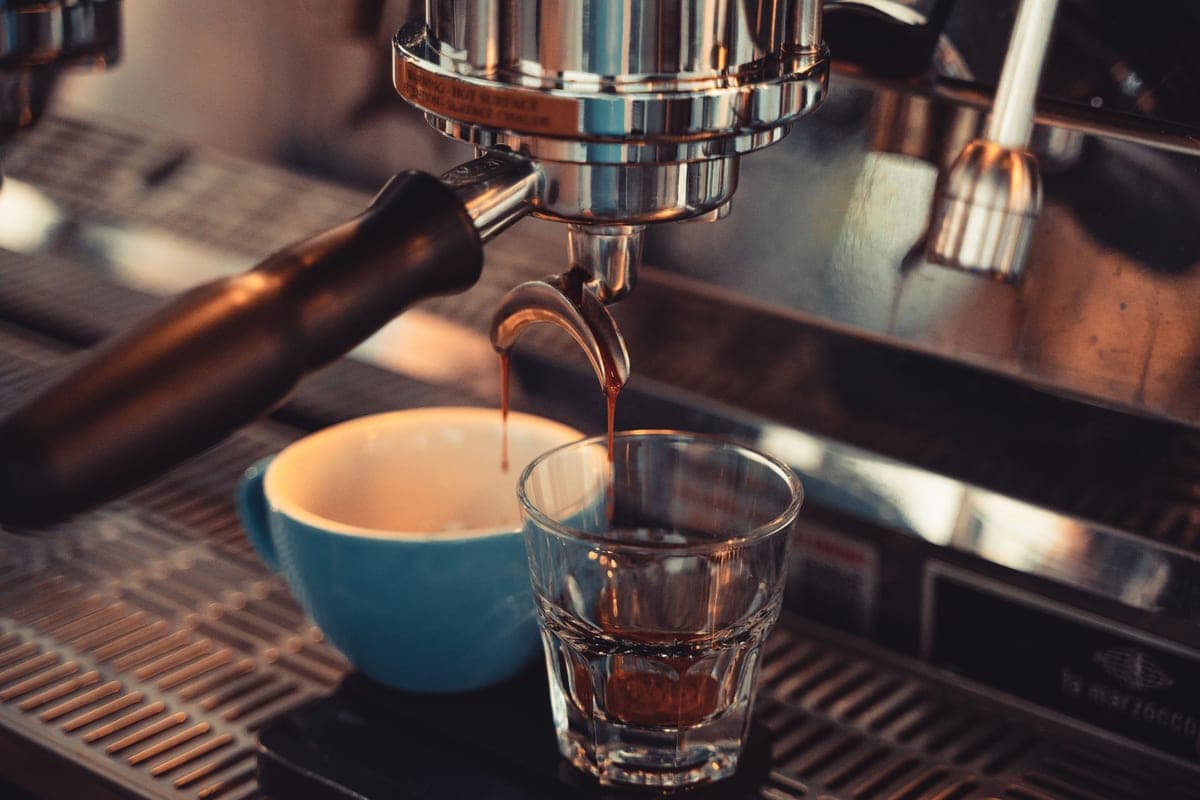
Most home espresso machines do not die of anything dramatic. They die of limescale— a slow, invisible build-up of mineral deposits inside the boiler and the water lines that eventually blocks flow, wrecks temperature stability, and finally kills the pump. It happens quietly, over months, in a part of the machine you cannot see or reach.
Descaling is the fix, it takes about twenty minutes, and it costs a few dollars. It is comfortably the highest-value maintenance job in home coffee, and it is also the one most owners either skip or do wrong. This guide covers how often, what to use, why vinegar is a false economy, and the cycle itself.
What limescale actually does
Tap water carries dissolved minerals — mostly calcium and magnesium. When you heat that water, those minerals come out of solution and stick to whatever surface is hottest. Inside an espresso machine, that means the boiler or thermoblock, the heating element, and the narrow tubes carrying water to the group head.
Three things go wrong as the layer thickens, roughly in this order:
- Temperature goes wrong first. Scale is an insulator. A scaled heating element cannot transfer heat to the water efficiently, so your brew temperature drifts and your shots start tasting inconsistent for no apparent reason.
- Flow drops next. Deposits narrow the tubing and clog the group head, so shots run slow, pressure readings look wrong, and steam pressure weakens.
- Then the pump fails.Forcing water through a restricted system is what eventually kills the pump — and that is usually the point where a repair costs more than the machine is worth.
If your shots have gradually got worse and you have already ruled out the beans and the grind, scale is the suspect people reach for last and should reach for earlier. Our guide to why espresso tastes bitter covers the taste side of the diagnosis.
Descaling is not the same as cleaning
These get used interchangeably and they are completely different jobs, with different chemicals, on different schedules. Doing one does not do the other.
| Job | Removes | Chemical | Where | How often |
|---|---|---|---|---|
| Descaling | Mineral scale from water | Acid (citric/lactic) | Inside the boiler and water lines | Every 1-3 months |
| Backflushing / cleaning | Coffee oils and residue | Alkaline detergent | Group head, portafilter, baskets | Weekly to monthly |
A machine that is descaled but never backflushed will taste rancid and bitter from old coffee oils. A machine that is backflushed but never descaled will slowly stop working. You need both. If you have never done the cleaning side, our how to clean an espresso machine guide covers it, and the third pick below is the detergent that job uses.
How often should you descale?
The honest answer is that it depends almost entirely on your water hardness, and secondarily on how much you brew. Anyone quoting a single universal interval is guessing.
| Your water | Light use (1-2 drinks/day) | Heavy use (4+ drinks/day) |
|---|---|---|
| Hard water area, unfiltered tap | Every 4-6 weeks | Monthly |
| Moderate hardness, unfiltered tap | Every 2-3 months | Every 6-8 weeks |
| Filtered or softened water | Every 3-6 months | Every 2-3 months |
| Bottled low-mineral water | Rarely — but still check annually | Every 6 months |
Two shortcuts. If your machine has a descale warning light, it is counting liters or shots rather than actually measuring scale — treat it as a reminder, not a verdict, and descale before it lights up if you are on hard water. And if your kettle furs up quickly, so does your espresso machine; the kettle is a free hardness test you already own.
What to use — and what not to
Use a purpose-made descaler. These are typically citric or lactic acid formulations, buffered so they dissolve scale without attacking the metals and seals inside your machine.
Urnex Dezcal is the default recommendation and the one many machine manuals name directly. It is a citric-acid powder that is safe across aluminum and stainless components, which matters because plenty of home machines have aluminum boilers that harsher acids will pit.
If you own a Breville, a solution formulated and portioned for their descale cycle removes the dilution guesswork — Breville machines run an automated routine that expects a specific volume of solution in the tank.
And for the other job entirely — the coffee-oil residue that descaler does nothing about — Urnex Cafiza is the standard espresso machine cleaning powder, used for backflushing machines with a three-way valve and for soaking portafilters and baskets.
Prices shown are from Amazon as of October 17, 2026 and change often — the button always goes to the current listing. Some links may earn us a commission at no extra cost to you.
The descaling cycle, step by step
Read your manual first.Many machines have a built-in descale mode that handles timing and pauses for you, and if yours does, use it — the steps below are the generic manual routine for machines that do not. Never descale a machine that is hot; let it cool first.
- Empty and prepare.Remove the water filter from the tank if there is one — descaler will destroy it. Empty the drip tray. Take the portafilter out.
- Mix the solution in the water tank at the dilution your descaler specifies. Do not eyeball it; too strong is as bad as too weak.
- Run about a third through the group head into a large container, as though pulling very long shots.
- Run some through the steam wand and the hot water outlet if you have one. Scale builds in those lines too, and this is the step people skip.
- Let it sit for 15–20 minutes.This is where the actual dissolving happens — running solution straight through does very little. Do not skip the soak.
- Run the rest through, alternating between group head and steam wand.
- Rinse thoroughly.Remove the tank, wash it, fill with clean fresh water, and run the entire tank through the machine. Then do it again. Two full tanks of clean water is the minimum — residual descaler tastes metallic and sour.
- Refit the water filter, and pull one shot you are willing to throw away before you make a real one.
Breville, Nespresso and De'Longhi
Most popular machines automate this, and the automated cycle is always the one to use.
Breville machines have a dedicated descale mode you enter with a button combination, and the machine then walks through boiler, group head and steam paths in stages with prompts. The important part is that it expects a specific solution volume in the tank, which is why a portioned Breville-compatible descaler is convenient.
Nespressomachines have the simplest routine of the three — typically holding both buttons to enter descale mode, running the tank through into a container, rinsing and repeating. Because they are capsule machines with narrow internal lines, they are arguably the least tolerant of skipped descaling; a scaled Nespresso starts under-filling cups.
De'Longhi machines vary by model. Bean-to-cup models generally have an on-screen descale prompt and guided cycle; simpler pump machines like the Stilosa use the manual routine above. Check the model manual rather than assuming.
In every case the same principle applies: let it soak, then rinse more than you think you need to. Those are the two steps that separate a descale that works from one that just uses up descaler.
How to stop it coming back
Descaling treats the symptom. The cause is the water, and changing the water is the cheapest long-term fix available.
- Use filtered water. A basic carbon filter jug reduces the mineral load enough to stretch your descaling interval substantially, and it improves how the coffee tastes at the same time. Water is most of what is in your cup.
- Fit the machine's own filter if it takes one, and actually replace it on schedule. An expired filter is doing nothing.
- Do not use distilled or zero-mineral water.This is the trap at the other end. Espresso needs some mineral content to extract properly — water with nothing in it makes flat, hollow-tasting coffee, and some machines cannot even detect it in the tank.
- Empty the tank if you are away. Water sitting still for weeks encourages both scale and stagnation.
Do that, keep a schedule you can actually remember, and pair it with the coffee-oil cleaning side, and a decent machine will outlast several of the grinders you put next to it. If you are still choosing a machine, our true cost of home espresso factors maintenance into the numbers honestly.
The water side deserves more than four bullet points, so it has its own page: what water to use in an espresso machine sets out the SCA's published targets, quotes what the manufacturers themselves say about distilled and de-mineralised water, explains the softened-water trap, and ranks the four practical options. Get that right and this page becomes an annual chore rather than a monthly one. While you are on maintenance, the grinder needs its own routine too — how to clean a coffee grinder.
Frequently asked questions
How often should you descale an espresso machine?
It depends mostly on your water hardness. On hard, unfiltered tap water, every four to six weeks with light use and monthly with heavy use. On moderate water, every two to three months. On filtered or softened water, every three to six months. If your kettle furs up quickly, so does your machine — that's a free hardness test you already own.
Can I use vinegar to descale my espresso machine?
You shouldn't, and most manufacturers advise against it. Vinegar is acetic acid, which is harsher on aluminum boiler components, gaskets and seals than the buffered citric-acid formulations purpose-made descalers use. The smell and taste are also extremely persistent, so you'll be flushing it out for days. It can void a warranty, and the saving is a couple of dollars against a machine worth hundreds.
What's the difference between descaling and cleaning an espresso machine?
They're different jobs with different chemicals. Descaling uses an acid to dissolve mineral scale from water out of the boiler and water lines, every one to three months. Cleaning or backflushing uses an alkaline detergent to remove coffee oils and residue from the group head, portafilter and baskets, weekly to monthly. Doing one does not do the other — you need both.
What happens if you never descale an espresso machine?
Scale builds up on the heating element and inside the water lines. First your brew temperature drifts, because scale is an insulator, and shots become inconsistent. Then flow drops as deposits narrow the tubing and clog the group head. Eventually the pump fails from forcing water through a restricted system — and at that point the repair usually costs more than the machine is worth.
How do I descale a Breville espresso machine?
Use Breville's built-in descale mode rather than the manual routine. You enter it with a button combination, and the machine walks through the boiler, group head and steam paths in stages with prompts. Remove the water filter from the tank first, since descaler will destroy it, and use a descaler portioned for Breville's cycle so the dilution matches what the machine expects.
Should I use distilled water to avoid descaling?
No. Distilled or zero-mineral water is the trap at the other end of the problem — espresso needs some mineral content to extract properly, so it makes flat, hollow-tasting coffee, and some machines can't even detect it in the tank. Filtered water is the right middle ground: it cuts the mineral load enough to stretch your descaling interval while still tasting good.
Sources
Keep reading
Buying your first setup?
See how we pick — compiled specs, cost-per-shot math, and honest trade-offs — then dig into the guides. No fake test lab, no rankings for hire.