Maintenance Guide
How to Clean a Coffee Grinder
Old grounds and rancid oils are the most common reason a good grinder starts making bad coffee. The full routine, how often to do it, and the two popular shortcuts we would skip.
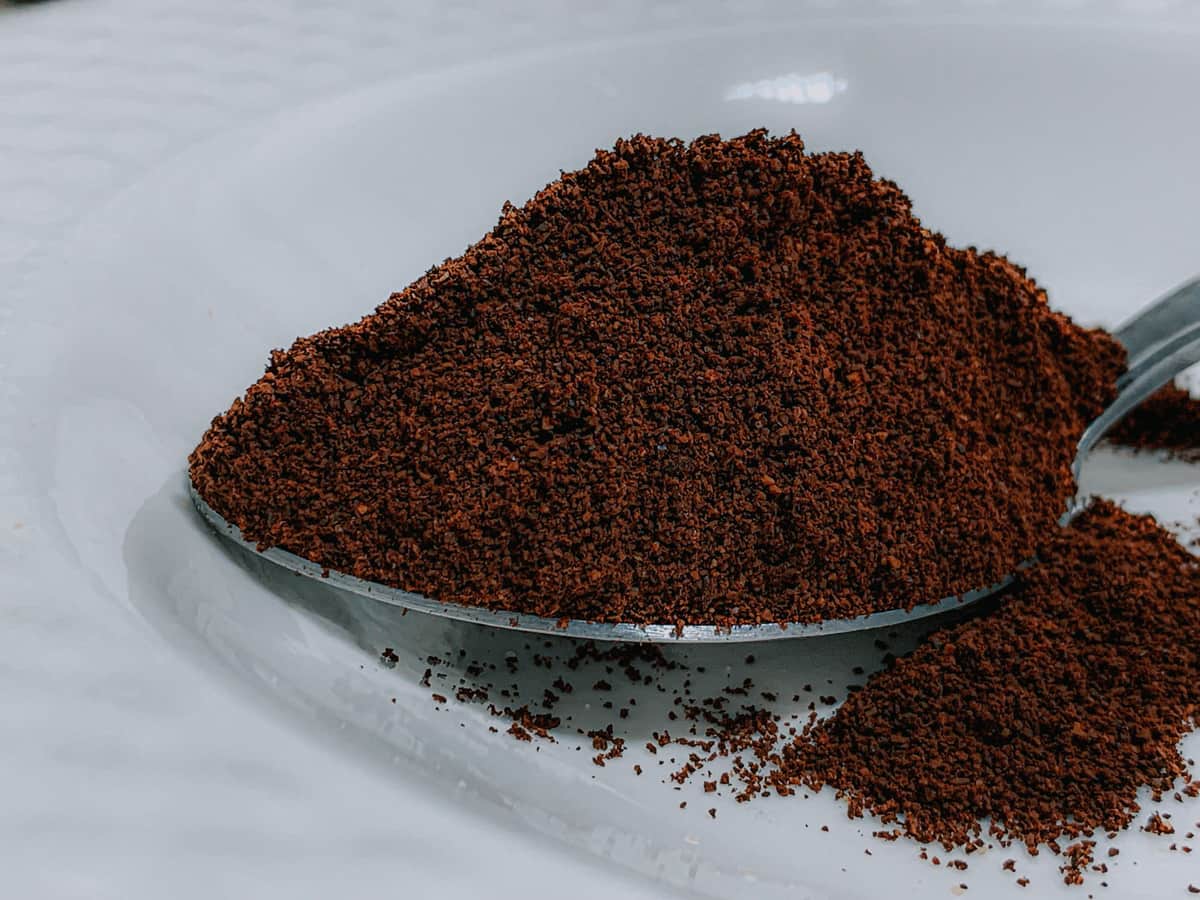
A burr grinder does not get dirty the way a plate does. It accumulates two things at once: fine particles packed into corners the airflow never reaches, and coffee oils smeared across the burrs and the chute. The particles change your dose; the oils go rancid and change the taste. Both happen slowly enough that you do not notice until your coffee has been quietly getting worse for a month.
The good news is that the routine is short, needs almost no equipment, and is the same on nearly every burr grinder made. This page follows Baratza's published cleaning guidanceas the reference routine, because Baratza documents theirs openly — then flags the two popular internet shortcuts that we would not use.
Why it matters more than it sounds
Three specific things go wrong in a grinder that has not been cleaned, and each one has a recognisable symptom.
- Stale grounds join today's dose.Coffee held in the burr chamber and chute between uses — retention — comes out mixed into the next grind. If your grinder holds a gram and you dose 18 g, roughly one shot in eighteen is made of yesterday's coffee, and it is the part that has been oxidising in a warm metal chamber. This is also why a grinder that has sat unused for a fortnight makes a first shot that tastes flat.
- Oils go rancid. Coffee oil is a fat, and fats oxidise. The smear on a set of burrs that has ground several kilos of dark roast without a clean will taste stale and slightly bitter no matter how fresh the beans you put in on top of it. This is the failure mode people most often misdiagnose as a problem with their espresso technique.
- Flow gets worse, and so does consistency. Compacted fines narrow the chute and slow the exit path, which produces clumping, inconsistent dose weights and eventually a full blockage. Baratza specifically notes that the oils dark roasts leave behind can impair bean flow and increase the risk of clogging.
How often to clean a coffee grinder
Baratza's published interval for routine cleaning is every 4 to 6 weeks, and adds that dark roasts need cleaning more often because of the oils they leave behind. That is a sensible baseline for a home grinder. In practice, adjust it by what you grind and how much:
| How you use it | Routine clean | Why |
|---|---|---|
| Light to medium roast, a few doses a day | Every 4-6 weeks | Baratza's published routine interval |
| Dark or oily roasts | More often than 4-6 weeks | Oils accumulate faster and impair bean flow |
| Espresso, weighing every dose | Every 4-6 weeks, plus purge on bean changes | Retention changes dose weight |
| Occasional use, weeks between | Before each return to use | Grounds left inside go stale, not the beans |
| Any grinder, showing clumping or slow flow | Now | That is the symptom of a packed chute |
There is also a smaller job worth doing far more often than the full routine: brush out the chute and knock the grinder after a bean change. It takes ten seconds and it is what keeps a dose weight honest between full cleans.
The routine, step by step
This is the sequence Baratza publishes, which works on essentially any home burr grinder. Unplug it first — every step below happens with the power off.
- Remove the hopper and the upper burr.On most grinders the upper burr twists out by hand once the hopper is off. On Baratza's Sette series, the lower burr comes out too. Consult your own manual before forcing anything; some grinders need a burr removal tool.
- Grind through any remaining coffee first. Run the grinder empty until nothing more comes out, so you are brushing dry chambers rather than pushing damp grounds around.
- Brush out loose grounds and residue. A stiff dry brush is the right tool. Work over the burr faces, the burr carrier and the surfaces around them.
- Clean inside the burr chamber and the chute. This is the part people skip and it is where the compacted fines live. Brush down into the chamber and along the exit path.
- Wash the hopper and grounds bin with warm soapy water, and dry thoroughly. These are the only parts that should meet water, and they must be completely dry before they go back on.
- Optional deep clean: run grinder cleaning tablets through it. These are a food-safe granulate designed to absorb oils. Baratza lists this as optional but highly recommended if you grind mainly dark roast. Grind a dose of beans through afterwards and discard it.
Clearing a clogged chute
A blocked exit is the most common grinder fault and it is almost never a broken grinder. It is packed coffee. Baratza's published fix is straightforward: use the handle of your cleaning brush, or a small stiff item such as an unfolded paperclip, to push the packed coffee out of the chute — and check from above and below to make sure every bit is cleared out.
Two additions from experience. First, do it with the machine unplugged — a grinder that suddenly frees itself while your hand is near the burrs is a bad afternoon. Second, if it clogs repeatedly, look at your beans rather than the grinder: very oily dark roasts and grinders with narrow chutes are a poor pairing, and the fix is either more frequent cleaning or a lighter roast.
Two shortcuts we would skip
Rice. Grinding uncooked rice to absorb oils is the most-repeated grinder cleaning tip on the internet. It is worth noticing what is notin the manufacturer guidance: Baratza's published routine names a brush and purpose-made grinder cleaning tablets, and does not include rice. The concern is straightforward — rice is considerably harder than a coffee bean and grinders are designed around coffee — and since purpose-made cleaning granulates exist, cost very little and are explicitly recommended by the manufacturer, there is no reason to take the risk with your burrs. If your grinder's own manual specifically endorses rice, follow your manual.
Water, in any form, near the burrs. Rinsing a burr set, running a damp cloth into the chamber, or putting burrs in a dishwasher will corrode steel and leave residue that sets. It is the one mistake that turns a maintenance job into a parts order.
If you have ground spices in it
This comes up constantly, because a burr grinder looks like a perfectly good spice mill. It is, and that is the problem: spice oils are far more aromatic than coffee oils and they persist in the plastic and the metal long after the visible residue is gone. Cumin in a grinder is a very long-lived decision.
If it has already happened: do the full routine above, then run a purpose-made cleaning granulate through, then sacrifice a dose or two of cheap beans and discard them. Expect to repeat it. And if you regularly grind spices, the genuine answer is a second, cheap grinder kept for that job — a blade grinder, which is the wrong tool for coffee, is perfectly adequate for spices.
Grinders that stay easy to clean
Now that the routine is clear, here is the design detail that decides how painful it is: how the burrs come out, and how much coffee stays behind between doses. A grinder with tool-free burr access and near-zero retention barely needs the routine; a sealed hopper grinder with a long chute needs it on schedule. These three are the ones on this site that make it easiest, and all three are picks on our wider grinder guides.
The Baratza Encore ESP is the most serviceable of the three. Its 40mm M2 conical burrs are user-replaceable, Baratza publishes its cleaning and repair documentation openly, and it is backed by a US parts channel — which is what you actually want on a machine whose cutting surfaces are a wear item. The honest con is that it is hopper-fed, so retention is real and bean changes need a purge.
The DF64 Gen 2 attacks the problem from the other end: it is a true single-dose grinder with a manufacturer-quoted retention under 0.1 g and a plasma generatorthat kills the static which otherwise glues fines to the chute. There is simply very little left inside to go stale. The honest cons are size and weight — around 15 lb — and that the DF64 is sold under several brand names, so support varies by seller.
For filter brewing, the Fellow Ode Gen 2 is the cleanest thing to live with: single dose with 64mm flat burrs, anti-static technology, a magnetic catch cup and a built-in knocker to shake the last grounds out. The honest and important con is that Fellow states it is not suitable for espresso— it bottoms out around 250-300 microns. Buy it for pour over and French press, not for a portafilter.
| Grinder | Retention | Burr access | Good for | Price |
|---|---|---|---|---|
| Baratza Encore ESP | Hopper-fed (real) | User-replaceable burrs | Espresso and filter | $199.95Buy |
| DF64 Gen 2 | Under 0.1 g (published) | Single dose, tool access | Espresso and filter | $389.00Buy |
| Fellow Ode Gen 2 | Very low (single dose) | Single dose, magnetic cup | Filter only | $399.95Buy |
Prices shown are from Amazon as of Sep 18, 2026 and change often — the button always goes to the current listing. Some links may earn us a commission at no extra cost to you.
When to replace the burrs instead
Cleaning fixes stale oils and packed fines. It does not fix dull burrs, and at some point that is what you have. Burrs are a consumable: they cut coffee thousands of times and the edges round off. The symptom is distinctive — you clean the grinder properly, and the coffee is still flat and the grind still looks uneven, and you find yourself grinding finer and finer to get the same shot time.
At that point the question is whether your grinder is one you can re-burr. It is another argument for grinders with published, user-replaceable burr sets: the cost of a burr set is a fraction of a new grinder, and it restores the machine rather than replacing it. Our true cost of home espresso page treats burrs as the running cost they are.
If you are shopping rather than maintaining, our best burr grinders and best grinders for espresso guides cover the field, and flat vs conical burrs explains why the geometry changes both the cup and how much residue the grinder holds onto.
Frequently asked questions
How often should you clean a coffee grinder?
Baratza's published routine is every 4 to 6 weeks, and they note that dark roasts need cleaning more often because of the oils they leave behind. Beyond that schedule, clean immediately if you see clumping, slow flow or inconsistent dose weights — those are the symptoms of a packed chute. A quick brush of the chute after each bean change is worth doing far more often than the full routine.
Can you wash coffee grinder burrs with water?
No. Water belongs only on the hopper and the grounds bin, which should be washed with warm soapy water and dried thoroughly before they go back on. Steel burrs corrode, and moisture trapped in the burr chamber turns fine particles into a paste that sets hard. The burrs, chamber and chute should only ever be dry-brushed, with purpose-made cleaning tablets as the optional deep clean.
Should I use rice to clean my coffee grinder?
We would not. It is the most repeated tip online, but it is worth noticing what is absent from the manufacturer guidance: Baratza's published cleaning routine names a brush and purpose-made grinder cleaning tablets, and does not include rice. Rice is considerably harder than a coffee bean, and food-safe cleaning granulates exist, cost very little and are explicitly recommended for oily dark roasts. If your own grinder's manual specifically endorses rice, follow your manual.
How do you unclog a coffee grinder?
Unplug it, then use the handle of a cleaning brush or a small stiff item such as an unfolded paperclip to push the packed coffee out of the chute — Baratza's own advice — and check from both above and below to be sure every bit is cleared. If it clogs repeatedly, the cause is usually very oily dark-roast beans meeting a narrow chute: either clean more often or move to a lighter roast.
How do you clean a coffee grinder that has been used for spices?
Do the full routine — remove hopper and upper burr, brush the burr chamber and chute, wash and dry the hopper and bin — then run a purpose-made cleaning granulate through it, then grind and discard a dose or two of cheap beans. Expect to repeat it, because spice oils are more aromatic than coffee oils and linger in plastic. If you grind spices regularly, keep a separate cheap grinder for the job.
Does cleaning a grinder actually improve the coffee?
Yes, in two specific ways. It removes rancid oils, which otherwise contribute a stale, slightly bitter note to every cup regardless of how fresh your beans are. And it clears compacted fines from the chute, which restores consistent flow and dose weight — the thing that makes weighing a dose meaningful. What it will not fix is dull burrs, which are a wear item and eventually need replacing.
Sources
- Baratza — Grinder Cleaning Essentials: routine cleaning every 4-6 weeks, step sequence, hopper and grounds bin washing, cleaning tablets for dark roasts, clogged-chute procedure
- Baratza — Cleaning Brush (SP0100973) and Burr Removal Tool (SP0100974) product pages
- Baratza — Encore instruction manual: burr removal and maintenance
- DF64 Coffee — DF64 Gen 2 specifications: retention under 0.1 g, plasma generator, single-dose design
- Fellow — Ode Gen 2 specifications: 64mm flat burrs, single-dose design, anti-static technology, filter-only grind range
- Specialty Coffee Association — grind, extraction and particle distribution fundamentals
Keep reading
Buying your first setup?
See how we pick — compiled specs, cost-per-shot math, and honest trade-offs — then dig into the guides. No fake test lab, no rankings for hire.