Buying Guide
The Best Single-Dose Coffee Grinders in 2026
Single dosing means you weigh in exactly one brew's worth of beans, grind it, and get almost all of it back — no hopper of coffee going stale on the counter. Here are the grinders that do it best, with honest notes on which are purpose-built and which are hopper machines run single-dose.
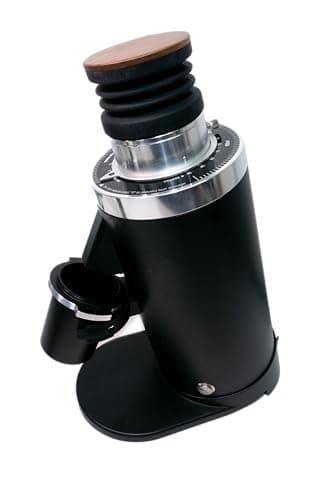
Single dosing is one of those ideas that sounds fussy until you understand what it fixes — and then it is hard to go back. Instead of filling a hopper with beans that sit on top of the grinder for days, you weigh in exactly one brew's worth of coffee, grind it, and it comes straight out into your portafilter or cup. Because a true single-dose grinder holds back almost nothing between doses, what you weigh in is what you get out, and your beans stay sealed in a bag until the moment you grind them. That is the whole appeal: fresher coffee, accurate doses, and the freedom to switch between two or three coffees without one tainting the next.
Our overall pick is the DF64 Gen 2, because it was designed from the ground up for this workflow: 64mm flat burrs, stepless adjustment, and near-zero retention that leaves almost nothing behind. Below it are four more grinders for different situations — a flat-burr filter specialist, a hand grinder that is single-dose by its very nature, and two hopper grinders that a lot of people run single-dose with a small bean cellar. That last group needs an honest asterisk, so before the picks, let's be clear about what single dosing is and which of these grinders truly are one.
What single dosing actually is
A conventional grinder is hopper-fed: you tip a bag of beans into a container on top, and gravity feeds them into the burrs whenever you grind. It is convenient, but it means a pile of coffee sits exposed to air and light for days, slowly going stale, and it means some ground coffee always lingers in the grind path between uses. Single dosingflips that. You weigh out the precise dose for one brew — say 18 grams for a double espresso, or 22 grams for a pour over — drop only that in, and grind it all through. There is no standing hopper of beans and, on a grinder built for it, almost nothing left inside afterward.
The payoff is threefold. First, freshness: your beans live in a sealed bag until the second you grind, not in an open hopper. Second, dose accuracy: because retention is near zero, the 18 grams you weigh in is very close to the 18 grams that lands in the basket — critical for espresso, where a gram changes the shot. Third, easy bean swaps: with nothing held back inside, you can grind a bright Ethiopian for your pour over and a chocolatey blend for espresso back to back, and the first cup won't taste of the last coffee. The trade-off is a slightly slower routine — you weigh each dose — and, on some grinders, a little static or a purge step to chase out the last grams. If you want the wider grinder landscape first, our best burr grinder guide frames where single-dose grinders sit.
Purpose-built single-dosers vs hopper grinders run single-dose
Here is the honest framing this guide is built on, because plenty of "single-dose" lists blur it. Three of our picks are true single-dose designs. The DF64 Gen 2 and Fellow Ode Gen 2have no standing hopper — you feed one dose at a time — and both use anti-static and low-retention engineering so almost nothing stays behind. The 1Zpresso J is single-dose by its very nature: a hand grinder has no hopper column at all, so you always grind exactly what you load, with very low retention.
The other two are hopper grinders that many owners run single-dose. The Baratza Encore ESP and Eureka Mignon Notteboth ship with a bean hopper, but you can pop it off (or run tiny amounts) and drop in one weighed dose at a time, often using a small "bean cellar" or dosing cup to feed them. It works, and lots of people do it — but be clear-eyed: these were not built for zero retention. Both hold onto a modest amount of ground coffee between doses, so your weigh-out will be a little under your weigh-in and a purge or a couple of "bellow puffs" help clear the chute. We include them because they are excellent espresso grinders that single-dose acceptably, not because they match the DF64's near-zero numbers. We say which is which on every pick below.
How we picked
We don't run a test lab, and we won't pretend to. Every grinder here was evaluated against its published manufacturer specifications, the design details that decide how a single-dose workflow actually feels, and verified owner feedback — our full approach is on the methodology page. For single dosing specifically, we weighted:
- Retention. The headline spec. Near-zero retention (DF64, Ode, 1Zpresso J) means weigh-in equals weigh-out; a hopper grinder run single-dose (Encore ESP, Notte) holds back a modest amount, and we say so.
- Burr type and range.Flat or conical, and — crucially — whether the grinder reaches espresso fineness or is tuned for filter only. That decides what you can brew with it.
- Adjustment. Stepless (DF64, Notte) for infinite fine control, or small enough steps and clicks (Encore ESP, 1Zpresso J, Ode) to dial in the brews it targets.
- Anti-static and clean-out. Flat burrs love to throw static and clump; ionizers, anti-popcorn devices and knockers decide how tidy single dosing actually is day to day.
- Honest value and fit— and whether a grinder is a purpose-built single-doser or a hopper machine pressed into the role.
At a glance
The field side by side. Tap any "view" button for the live Amazon price — the number shown at checkout is the one that applies.
| Grinder | Burrs | Type | Retention | Best for | Price |
|---|---|---|---|---|---|
| DF64 Gen 2 | 64mm flat | Purpose-built single-dose | Near zero | Espresso + filter | $389.00Buy |
| Fellow Ode Gen 2 | 64mm flat | Purpose-built single-dose | Very low | Filter only | $399.95Buy |
| 1Zpresso J | 48mm conical | Manual (single-dose by nature) | Very low | Manual, espresso to press | $139.00Buy |
| Baratza Encore ESP | 40mm conical | Hopper, run single-dose | Moderate | Value espresso | $199.95Buy |
| Eureka Mignon Notte | 50mm flat | Hopper, run single-dose | Modest | Compact espresso | $299.00Buy |
Prices shown are from Amazon as of October 17, 2026 and change often — the button always goes to the current listing. Some links may earn us a commission at no extra cost to you.
Best overall single-dose: DF64 Gen 2
The DF64 Gen 2 is the grinder that made proper single dosing affordable, and it is still the value benchmark. It is a true single-dose design— no standing hopper, you feed one weighed dose at a time — built around 64mm flat burrs with stepless adjustment that covers espresso through filter. Its headline feature is near-zero retention: an anti-popcorn device, a declumping exit chute and an ionizer that kills static combine to leave almost nothing behind between doses, so what you weigh in is what you get out.
| Burrs | 64mm flat (steel) |
|---|---|
| Adjustment | Stepless |
| Dosing | Single dose |
| Retention | Near zero (under 0.1 g) |
| Anti-static | Ionizer + anti-popcorn device |
| Motor | 250W (grinds a double in ~7-11 s) |
What we like: it is the most complete single-dose experience here — big flat burrs that grind fast and even, stepless control fine enough for espresso, and retention low enough that dose accuracy stops being a worry. The burrs are also a popular upgrade path if you ever want to chase a specific flavor profile. The honest cons: single dosing is a slightly slower routine than a hopper, stepless adjustment takes practice to note your settings so you can return to them, and it is a bigger, pricier commitment than a hopper grinder like the Encore ESP below. If you want one grinder built purely around fresh, weighed doses across both espresso and filter, this is it — see it in the wider field in our best grinder for espresso guide.
Best for filter coffee: Fellow Ode Gen 2
If your mornings are pour over, drip, AeroPress and French press — and espresso is not on the menu — the Fellow Ode Gen 2 is the single-dose grinder to buy. It is a purpose-built single-doser with 64mm flat burrs tuned for the clean, well-separated flavors filter brewing rewards, a very low retentionsingle-dose workflow, and thoughtful touches — a magnetic catch cup, a built-in knocker, and anti-static technology — that make it tidy to live with. The one thing to know up front: Fellow deliberately limited its range to filter, so it will not grind espresso.
| Burrs | 64mm flat (steel) |
|---|---|
| Grind settings | 31 stepped |
| Dosing | Single dose (~100 g bean capacity) |
| Grind range | Filter methods; bottoms out ~250-300 microns |
| Espresso | Not suitable (per Fellow) |
| Retention | Very low (single-dose design) |
| Extras | Anti-static technology, magnetic catch cup, built-in knocker |
What we like: the big flat burrs give a clarity in the filter cup that is genuinely hard to get any other way at home, the single-dose workflow and very low retention keep bean swaps clean, and the anti-static tech tames the mess flat burrs are usually known for. The honest cons: it is not an espresso grinder— its range bottoms out around 250–300 microns, by design, so there is no shot hiding at the fine end — it is single-purpose enough that you shouldn't pay for it if you also want espresso, and it is the priciest way to grind filter here. Our full Fellow Ode Gen 2 review has the deep dive; if espresso is ever on your list, skip it.
Best manual single-dose: 1Zpresso J
A hand grinder is single-dose by its very nature— there is no hopper column, so you always grind exactly the beans you load, with almost nothing left behind. The 1Zpresso J is the one we'd hand most people: 48mm conical steel burrs (larger than most manual grinders carry) behind a numbered internal ring with 30 clicks per rotation, each click moving the burrs about 25 microns. That is fine enough to dial espresso in a few clicks, and the same grinder handles pour over, AeroPress and French press without complaint — all with very low retention and no power at all.
| Type | Manual (hand) grinder |
|---|---|
| Burrs | 48mm conical (steel) |
| Adjustment | Numbered, 30 clicks/turn (~25 microns/click) |
| Retention | Very low |
| Capacity | ~30-35 g |
| Handle | Foldable (packs small) |
What we like: excellent grind quality for the money, inherently single-dose with near-zero retention, no electricity or noise, and a foldable handle that travels. The honest cons: espresso doses take real effort by hand every morning, the internal adjustment ring is a touch less convenient than an external one, and 1Zpresso sells even finer-stepped models aimed purely at espresso if you never plan to grind coarser. As a single-dose grinder that costs less than most electric options and out-grinds machines near its price, it is superb value — more options in our best burr grinder guide and the sibling 1Zpresso J review.
Best value for espresso: Baratza Encore ESP
The Baratza Encore ESPis the cheapest grinder we would trust to dial in a real espresso — and while it is a hopper grinder, not a purpose-built single-doser, plenty of owners run it single-dose by leaving the hopper off and feeding one weighed dose at a time with a small bean cellar or the included dosing cup. Its sharper 40mm M2 conical burrs and, crucially, a recalibrated dial — settings 1 through 20 are fine 20-micron espresso micro-steps, 21 through 40 open up for filter — give you the fine control espresso needs at a price nothing else here matches.
| Burrs | 40mm M2 conical (steel, user-replaceable) |
|---|---|
| Grind settings | 40 stepped (1-20 espresso, 21-40 filter) |
| Espresso step size | ~20 microns per step |
| Retention | Moderate (hopper-fed) |
| Bean hopper | 8 oz / 230 g |
| Included | 54mm dosing cup + 58mm portafilter adapter |
What we like: it reaches true espresso fineness with small, usable steps, the burrs and parts are user-replaceable so it lasts for years, and it ships with a dosing cup that fits a portafilter — which is exactly what makes ad-hoc single dosing practical. The honest cons: it is hopper-fed with moderate retention, so single dosing means a little grind is left behind between doses and a purge or two helps — it does not match the DF64's near-zero numbers — the stepped adjustment is fine but not stepless, and it is not fast. If your priority is espresso value and you can live with a bit of retention, it is the smart money; the full story is in our Baratza Encore ESP review.
Best compact espresso grinder: Eureka Mignon Notte
The Eureka Mignon Notteis the pick when you want a small, well-built espresso grinder with truly stepless control — and, like the Encore ESP, it is a hopper grinder that many owners run single-dose by fitting a low-dose bean cellar or dropping in weighed amounts. Its 50mm flat steel burrs and stepless micrometric adjustmentlet you land on the exact grind a shot wants, in increments a clicked dial can't match, all inside a solid metal body hand-assembled in Florence with a compact footprint.
| Burrs | 50mm flat (steel) |
|---|---|
| Adjustment | Stepless (micrometric knob) |
| Grind range | Espresso to pour over |
| Dosing | Manual (press portafilter to grind) |
| Hopper | ~5.5 oz bean hopper |
| Build | Metal case, hand-assembled in Italy |
What we like: stepless flat-burr precision and grind clarity a stepped conical can't match, in a genuinely small, properly made body — and because it grinds on demand into a portafilter, it takes to single dosing more naturally than a typical hopper grinder. The honest cons: it still has a hopper and modest retention, so run single-dose you'll see a small weigh-in versus weigh-out gap and want to clear the chute; it is not sound-dampened, so it runs with a sharp pitch (the quieter Mignon models cost more); and it is really a single-purpose espresso tool. If espresso is your daily ritual and counter space is tight, it is the nicest compact grinder here — see it against the field in our best grinder for espresso guide and the sibling Eureka Mignon Notte review.
How to choose a single-dose grinder
Strip away the marketing and the decision comes down to a few questions.
Do you need near-zero retention, or is "low enough" fine?If accurate, repeatable doses and clean bean swaps are the whole reason you want single dosing, buy a purpose-built one — the DF64 Gen 2 for espresso and filter, the Fellow Ode Gen 2 for filter, or the 1Zpresso Jby hand. If you mainly want fresher beans and don't mind a small purge, a hopper grinder run single-dose like the Encore ESP or Notte does the job for less.
What do you brew?For espresso, you need a grinder that reaches espresso fineness — the DF64, Encore ESP, Notte and 1Zpresso J all do. For filter only, the flat-burr Ode gives the cleanest cup. Don't buy the Ode expecting espresso; it deliberately stops too coarse.
Flat or conical, stepless or stepped? Flat burrs (DF64, Ode, Notte) are prized for clarity; conical (Encore ESP, 1Zpresso J) are efficient and forgiving. Stepless (DF64, Notte) lets you land on any setting; small steps and clicks (Encore ESP, 1Zpresso J, Ode) are simpler to note and return to. Learn the numbers with our flat vs conical burr explainer.
Electric or hand?A hand grinder like the 1Zpresso J is single-dose by nature, needs no power and puts more burr quality in your hand for the money — but you grind every dose by arm, which is fine for a cup or two and tiring for a household. An electric single-doser is faster and easier for daily espresso.
What is the budget? Almost every capable single-doser here lands in the same band, so it is worth reading our best espresso grinders under $500guide alongside this one — it sets these picks against the best hopper-fed espresso grinders at the same money, which is the real alternative you are weighing.
The bottom line
For most people who want the real single-dose experience, the DF64 Gen 2is the pick — a purpose-built grinder with near-zero retention that spans espresso and filter. Brew only filter and want the cleanest cup? The Fellow Ode Gen 2. Prefer no motor and true single-dose simplicity? The 1Zpresso J. If your priority is espresso on a budget and you can accept some retention, the Baratza Encore ESP run single-dose is the value play, and the compact Eureka Mignon Notte is the nicer small espresso grinder to run the same way.
Just keep the honest framing in view: the DF64, Ode and 1Zpresso J are built for zero retention, while the Encore ESP and Notte are hopper grinders you can run single-dose with a modest amount held back. Both approaches beat a big hopper of staling beans — pick the one that matches how precise you need your doses to be, and how much you brew.
If you want low retention without a full single-dose workflow, our Fellow Opus 2 vs Baratza Encore ESP comparison covers the cheapest near-zero-retention electric against the standard first espresso grinder.
Frequently asked questions
What is single dosing and why do it?
Single dosing means weighing in exactly one brew's worth of beans, grinding it, and getting almost all of it back — instead of keeping a hopper full of beans on top of the grinder. On a grinder built for it, retention is near zero, so your beans stay fresh in a sealed bag until you grind, your dose is accurate to the gram (which matters most for espresso), and you can switch coffees back to back without one flavor carrying over into the next cup.
What is the best single-dose coffee grinder?
For most people, the DF64 Gen 2. It is a purpose-built single-doser with 64mm flat burrs, stepless adjustment and near-zero retention (under 0.1 g), and it covers espresso through filter. If you brew only filter, the Fellow Ode Gen 2 is the flat-burr specialist; if you want a manual grinder, the 1Zpresso J is single-dose by nature; and if espresso value is the priority, the hopper-fed Baratza Encore ESP run single-dose is the cheapest grinder we trust to dial in a real shot.
Are the Baratza Encore ESP and Eureka Mignon Notte true single-dose grinders?
No — both are hopper grinders that many owners run single-dose. You can take the hopper off (or use tiny amounts) and feed one weighed dose at a time, often with a small bean cellar or dosing cup, but neither was engineered for zero retention. Both hold onto a modest amount of ground coffee between doses, so your weigh-out will be a little under your weigh-in and a purge helps clear the chute. The DF64 Gen 2, Fellow Ode Gen 2 and 1Zpresso J are the true single-dose designs here.
Does single dosing waste coffee?
On a true single-dose grinder, barely any — the DF64 Gen 2's retention is under 0.1 g, so what you weigh in is essentially what you get out. On a hopper grinder run single-dose, like the Encore ESP or Mignon Notte, a modest amount is retained between doses, so a fresh dose pushes some of the previous grounds out ahead of it. A quick purge or a puff of air through the chute clears most of it, but you'll see a small weigh-in versus weigh-out gap.
Can a hand grinder be a single-dose grinder?
Yes — a hand grinder like the 1Zpresso J is single-dose by its very nature. It has no hopper column, so you always grind exactly the beans you load, with very low retention. That makes it one of the simplest ways to single-dose: weigh in your dose, grind it, and get almost all of it back, with no power needed. The trade-off is effort, since you grind each dose by hand.
Sources
Keep reading
Buying your first setup?
See how we pick — compiled specs, cost-per-shot math, and honest trade-offs — then dig into the guides. No fake test lab, no rankings for hire.