How-To Guide
How to Make Cold Brew Coffee at Home
Cold brew is the easiest coffee to make and the easiest to get wrong, because almost every recipe skips the part that matters: it's a concentrate, and you're supposed to dilute it.
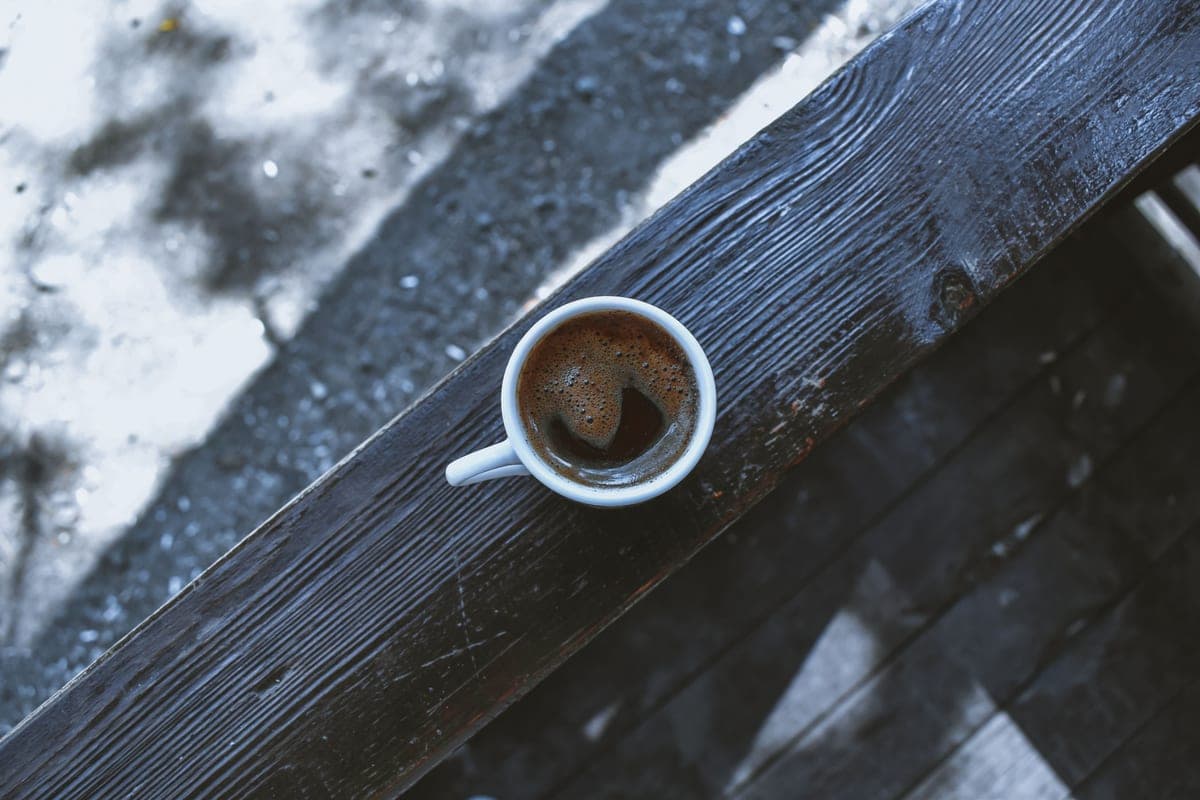
Cold brew is the least demanding coffee you can make. There is no temperature to hit, no pouring technique, no four-minute window to catch — you put coarse coffee in cold water, walk away for most of a day, and filter it. It is genuinely hard to mess up the brewing part.
What people do get wrong is what comes out. What you have made is a concentrate, not a drink, and the single most common cold brew complaint — "it's way too strong and weirdly syrupy" — is just someone drinking undiluted concentrate. This guide covers the three numbers, the method, and the dilution step that most recipes rush past.
What cold brew actually is (and isn't)
Cold brew is coffee extracted with cold or room-temperature water over many hours. That is the whole definition, and the important word is extracted — the water is doing the same job it does in any brewer, just slowly, because chemistry runs slower when it is cold. Twelve to eighteen hours of cold water does roughly what four minutes of hot water does.
It is notthe same thing as iced coffee, and the difference matters if you are deciding which to make. Iced coffee is brewed hot and then chilled or poured over ice. Cold brew never gets hot at all. Because heat is what pulls out many of the sharp, acidic and bitter-tasting compounds fastest, a cold extraction leaves a lot of them behind — which is why cold brew reliably tastes smoother, rounder and less acidic, with chocolate and nut notes forward and the bright, sour edges dialed down.
That smoothness has a trade-off worth naming honestly: cold brew also leaves behind much of the delicate floral and fruity character that makes a light-roast pour over interesting. You are trading complexity for smoothness. If you want to taste what a special single-origin bean is doing, brew it hot — our pour over guide is the better route. If you want an easy-drinking, low-acid iced coffee you can make a week of at a time, cold brew wins outright.
The three numbers
| Variable | Target | Why |
|---|---|---|
| Ratio | 1:8 (coffee:water, by weight) for concentrate | Strong enough to dilute; 1:5 for a heavier concentrate |
| Grind | Coarse — like coarse sea salt | Long steeps over-extract fine grounds and clog filters |
| Time | 12-18 hours | Below 12 tastes thin and sour; past 24 turns woody and bitter |
A 1:8 ratiomeans 100 g of coffee to 800 g of water — a sensible first batch that fits most home brewers. Because water weighs one gram per milliliter, grams and milliliters are interchangeable, so 800 g is 800 ml. Our coffee-to-water ratio guide puts that number next to every other brewing method if you want the context.
The method, step by step
- Weigh and grind coarse.100 g of coffee, ground about as coarse as your grinder goes — coarser than you would use for a French press if anything. See the grind size chart for the target.
- Combine with 800 g of cold water. Add the grounds to the vessel first, then pour the water over them.
- Stir to wet everything. Dry pockets are the most common cause of a weak batch. Stir gently until there are no floating clumps, then let it settle.
- Cover and wait 12–18 hours.On the counter or in the fridge, per the callout above. There is nothing to do in this window — do not stir again, do not check on it.
- Filter it.Lift out the brew basket if your maker has one. If you are using a jar, pour through a fine mesh strainer first to catch the bulk, then through a paper filter or a clean cloth to catch the fines. Do not squeeze or press the grounds — that pushes bitter silt straight through.
- Bottle the concentrate and refrigerate. Label it, because it does not look any different from ready-to-drink coffee and it very much is not.
Diluting it properly — the step everyone skips
What is now in your bottle is roughly two to three times the strength of normal coffee. Drinking it neat is not a bold choice, it is a mistake, and it is the reason people say cold brew tastes harsh or syrupy.
Start at 1:1— equal parts concentrate and water or milk — then adjust. That lands the finished drink close to the strength of ordinary brewed coffee, which is exactly the point.
| Drink | Concentrate | Add | Notes |
|---|---|---|---|
| Iced cold brew | 1 part | 1 part cold water, then ice | The default. Dilute first, then ice, or the ice does it for you unevenly |
| Cold brew latte | 1 part | 1-2 parts milk | Milk mutes strength, so you can run it stronger |
| Stronger / over lots of ice | 1 part | 0.5 part water | Melting ice will dilute it the rest of the way |
| Hot cold brew | 1 part | 2 parts hot water | Yes, this works — smooth and low-acid, like an Americano |
One practical note on ice: dilute before you pour over ice, not instead of it. If you pour neat concentrate straight over ice, the first mouthful is overwhelming and the last is watery, because the ice is doing your dilution slowly and unevenly.
How long does cold brew keep?
Undiluted concentrate, sealed in the fridge, holds up well for about 7 to 10 days— and this is the real argument for making it. One eighteen-hour batch on Sunday is a week of iced coffee with zero morning effort.
Two caveats. Once you dilute it, treat it like any brewed coffee and drink it within a couple of days; the flavor flattens quickly. And once you add milk, it keeps exactly as long as the milk does, so dilute per glass rather than making a jug of latte in advance. Store it sealed — coffee picks up fridge smells fast, which is a genuinely unpleasant surprise on day four.
Common mistakes
- Grinding too fine. A twelve-hour steep will over-extract fine grounds into bitterness, and the fines clog every filter you own. Go coarser than feels right.
- Drinking it undiluted. See above. It is a concentrate.
- Steeping too long.Past about 24 hours the flavor goes woody and flatly bitter. Longer is not stronger in a useful way — if you want stronger, use more coffee, not more time.
- Squeezing the grounds. Wringing out the filter bag to get the last drops pushes silt and bitter compounds into the batch you just made carefully.
- Using stale pre-ground coffee. Cold brew is forgiving, but it cannot invent flavor that has already evaporated. Whole beans ground the same day make an obvious difference.
The gear worth owning
You can make excellent cold brew in a mason jar and a sieve, and if you are trying it for the first time you should. A dedicated maker buys you one thing: a filtering step that is not messy, which is what determines whether you keep doing this every week.
The OXO Good Grips Cold Brew Coffee Makeris our pick because it solves the two annoying parts. A rainfall lid distributes water evenly over the grounds so you are not stirring dry pockets, and a switch releases the brewed concentrate down through a fine mesh filter into a glass carafe — no lifting a dripping bag over the sink. It brews about 32 oz of concentrate at a time.
If you would rather spend less and keep it simple, the Takeya Deluxe Cold Brew Makeris an airtight 2 quart pitcher with a fine mesh brew basket: steep in it, lift the basket out, store the concentrate in the same vessel. It fits in a fridge door, which sounds trivial until you have tried to find space for a wide-bodied brewer. Our best cold brew maker roundup compares both against the immersion and filter-bag alternatives.
The grinder is the upgrade that actually changes the coffee. Cloudy, silty concentrate is a fines problem, and no filter fully fixes fines — you have to not make them. The Baratza Encore holds a clean, even grind at the coarse end of its 40 settings, which is where cold brew lives. It is the same recommendation we make for French press, for the same reason.
Prices shown are from Amazon as of October 17, 2026 and change often — the button always goes to the current listing. Some links may earn us a commission at no extra cost to you.
Two companion pages finish the job: our best coffee beans for cold brew guide covers which roasts actually suit a long cold steep, and cold brew vs iced coffee explains why this method tastes nothing like coffee brewed hot and chilled.
Frequently asked questions
What is the ratio for cold brew coffee?
About 1:8 by weight for a concentrate — 100 g of coffee to 800 g (ml) of water. Some recipes go as strong as 1:5 for a heavier concentrate. Either way you are making a concentrate, not a finished drink, so plan to dilute it roughly 1:1 with water or milk before drinking.
How long should cold brew steep?
12 to 18 hours. At room temperature extraction runs faster, so aim for 12-14 hours; in the fridge it is slower and slightly cleaner-tasting, so aim for 16-18. Under 12 hours tastes thin and sour, and past about 24 hours it turns woody and flatly bitter. If you want a stronger result, use more coffee rather than more time.
Is cold brew the same as iced coffee?
No. Iced coffee is brewed hot and then chilled or poured over ice; cold brew is never heated at all. Because heat extracts many of the acidic and bitter-tasting compounds fastest, cold brew tastes noticeably smoother and less acidic, with chocolate and nut notes forward. The trade-off is that it also leaves behind much of the bright, fruity character a hot brew would show.
How long does cold brew last in the fridge?
Undiluted concentrate keeps well sealed in the fridge for about 7 to 10 days, which is the main practical reason to make it — one batch covers a week. Once diluted, drink it within a couple of days before the flavor flattens, and once you add milk it keeps only as long as the milk does. Always store it sealed, since coffee absorbs fridge odors quickly.
What grind size is best for cold brew?
Coarse — like coarse sea salt, and if anything coarser than you would use for a French press. A 12-18 hour steep gives fine particles far too long to over-extract, which tastes bitter, and fines clog whatever filter you use, leaving cloudy, silty concentrate. A burr grinder matters here because blade grinders produce dust alongside the coarse pieces.
Why does my cold brew taste weak?
Usually one of three things: the ratio was too dilute to begin with, the grounds had dry pockets because they weren't stirred at the start, or you diluted the finished concentrate too far. Stir thoroughly when you combine coffee and water, brew at 1:8, and taste the concentrate neat on a spoon before diluting so you know what you're working with.
Sources
Keep reading
Buying your first setup?
See how we pick — compiled specs, cost-per-shot math, and honest trade-offs — then dig into the guides. No fake test lab, no rankings for hire.