Buying Guide
The Best Espresso Machine Under $200 in 2026
Four honest ways to make espresso for less than $200 — a value stainless semi-auto, a classic budget De'Longhi, a no-fuss pod machine and a pocket travel pump. Chosen on published specs, with the compromises stated plainly and the one purchase that matters more than any of them.
Under $200 is the most misunderstood tier in home espresso. Spend a little more and you reach the Breville Bambino and the machines in our best espresso machine under $300guide; spend a lot more and you're into the enthusiast gear. Down here, the honest truth is simpler: you are buying an entry point, not a machine you grow into forever. The four picks below are the ones we think are genuinely worth the money at this price — each verified in stock and truly under $200, each the strongest choice for a specific kind of buyer, and each recommended with its compromises stated out loud.
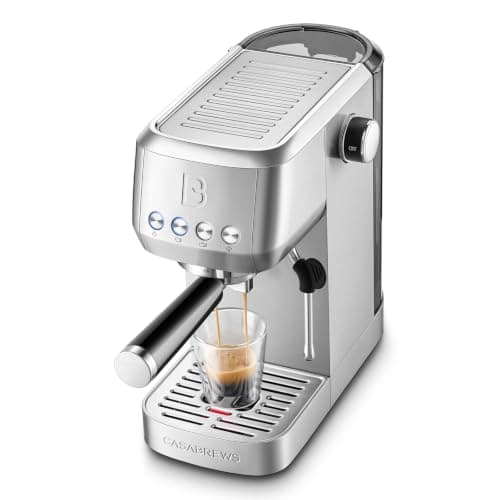
Our overall pick is the Casabrews 3700, because it puts a stainless body, a steam wand and a pressure gauge on your counter for close to the price of the plainest plastic machine — and if that pick against the De'Longhi Stilosa is the whole of your decision, our Stilosa vs CASABREWS 3700 comparison takes the two head to head. But before you spend a cent, read the next section — because at this price, wherethe money goes matters more than which of these you buy. A note on method first: we don't run a test lab. Every machine here was assessed against its published manufacturer specifications, the design details that decide how it lives on a counter, and verified owner feedback — the full approach is on our methodology page. We never print a price; the buttons pull the live figure, and the number at checkout is the one that applies.
What under $200 actually buys (read this first)
Be clear-eyed about the engineering at this price, because it shapes everything. Nearly every pump machine under $200 ships with a pressurized (dual-wall) basket and a basic thermoblock or single-boiler heater. A pressurized basket has a tiny outlet hole that creates back-pressure for you, forcing a thick crema regardless of your grind. That makes these machines wonderfully forgiving on day one — you can pull a good-looking shot with a cheap grinder or even supermarket pre-ground — but it also means the basket, not your coffee, is doing the work, so it hides grind quality and caps how good the espresso can ultimately get.
That leads to the single most important piece of advice on this page: the money you save by buying cheap should go toward a real burr grinder.For espresso, the grinder shapes the cup more than the machine does — a fine, even, adjustable grind is what makes a 9-bar shot possible, and no machine can rescue an inconsistent one. A cheaper machine paired with a proper grinder will beat a slightly nicer machine fed by a cheap blade grinder every single time. Start with our best grinders for espresso guide, and factor the grinder into your total number from the outset.
How we picked
We don't run a test lab, and we won't pretend to. For the bottom of the price ladder specifically, we weighted:
- Is it genuinely under $200, and in stock?This is a strict price-tier guide, so every pick was verified as truly sub-$200 and buyable at the time of writing — not a machine that only dips under the line on sale.
- Does it make real espresso, or something else?A pump or hand-lever machine forcing water through a puck at roughly 9 bar is doing espresso; a capsule machine is doing something else. Both can belong here, but you should know which you're buying.
- Basket and heater.Nearly everything at this price uses a pressurized basket and a basic thermoblock — we say so plainly, and note what that means for your ceiling.
- Build and honest value. Plastic versus stainless, gauge or no gauge, and whether the machine leaves room in your budget for the grinder that actually decides the shot.
- Milk and footprint. A manual steam wand puts lattes on the table; a small body suits the dorm rooms, first apartments and tight counters where these machines usually live.
We deliberately kept this list to four machines we'd actually recommend rather than padding it out. For the wider budget field — including machines a notch above this line — see our best espresso machine under $300 and best espresso machine for beginners guides.
At a glance
The field side by side. Tap any "view" button for the live Amazon price; the number shown at checkout is the one that applies.
| Machine | Type | Basket / pods | Milk | Best for | Price |
|---|---|---|---|---|---|
| Casabrews 3700 | Pump semi-auto | Pressurized | Manual wand | Overall value | $99.99Buy |
| De'Longhi Stilosa | Pump semi-auto | Pressurized | Manual wand | Classic budget | $149.95Buy |
| Nespresso Essenza Mini | Capsule (Original) | Pods | None | No-fuss / pods | $179.95Buy |
| Wacaco Nanopresso | Hand pump | 39mm | None | Portable / travel | View at Amazon |
Prices shown are from Amazon as of October 17, 2026 and change often — the button always goes to the current listing. Some links may earn us a commission at no extra cost to you.
Best overall under $200: Casabrews 3700
The Casabrews 3700 is the lowest-cost stainless machine we'd actually recommend, and it's the one we point most sub-$200 buyers toward. For close to the price of the plastic Stilosa you get a metal body, a 20-bar pump, a steam wand and a pressure gauge— a genuinely surprising amount of machine for the money, provided you go in with realistic expectations about a value-brand appliance. We cover it in full in our Casabrews 3700 review.
| Pump | 20-bar (pressurized basket) |
|---|---|
| Milk | Manual steam wand |
| Gauge | Pressure gauge included |
| Body | Stainless steel |
| Water tank | ~34 oz / 1 L |
What we like: the most machine-per-dollar here and a real metal build that looks well above its price, with a gauge that helps you see what the shot is doing — a rarity at this level. The honest cons: quality control varies unit to unit (the trade-off of a value brand), the headline 20-bar figure is marketing, since 9 bar at the puck is what actually matters, and the pressurized basket is forgiving but limiting once your technique improves. A great low-risk starter that happens to look the part — not an heirloom, and only as good as the grinder you feed it.
Best classic budget semi-auto: De'Longhi Stilosa (EC260)
The Stilosa is the cheapest honest way to find out whether home espresso is your thing, and it's a known quantity from a brand that has been making budget machines for decades. It uses a pressurized basket that forces crema even from supermarket pre-ground, a 15-bar pumpand a manual wand — no bells, but it makes real, hot espresso for the price of a few bags of specialty beans. It's the lowest-risk toe in the water on this page. Our De'Longhi Stilosa review goes deeper.
| Portafilter | Pressurized basket |
|---|---|
| Pump pressure | 15 bar |
| Milk | Manual steam/frothing wand |
| Water tank | ~34 oz / 1 L |
| Body | Plastic with stainless accents |
What we like: the lowest cost of entry to real espresso here, a genuine manual wand for milk drinks, and surprising capability once you pair it with a decent grind. The honest cons: the pressurized basket masks grind quality (great early, a ceiling later), the plastic build feels its price, and temperature control is basic. A perfect first step, not a forever machine — and a natural pairing with a cheaper grinder you upgrade once you're hooked.
Best no-fuss / pods: Nespresso Essenza Mini
Not everyone under $200 wants to grind, dose, tamp and steam. If what you actually want is a good cup at a button press with no skill and no mess, the Essenza Miniis the pick — and it belongs here for that honest reason. It's Nespresso's smallest machine, full stop: only a few inches wide, on the Original line with a 19-bar pump, and it brews the two Original formats, espresso and lungo. Crucially, because it's Original, it also opens the door to cheaper third-party Original-compatible capsules, which is the single best way to soften the ongoing pod cost. For the wider pod picture, see our best Nespresso machines guide.
| Line | Original (19-bar pump) |
|---|---|
| Cup sizes | Espresso (~1.35 oz), Lungo (~3.7 oz) |
| Heat-up | ~25 seconds |
| Water tank | ~0.6 L (frequent refills) |
| Footprint | Nespresso's smallest (a few inches wide) |
| Capsules | Original pods + many third-party compatibles |
What we like: the footprint is unbeatable, the 19-bar Original system makes a proper little crema-topped cup, and third-party capsules make it the cheapest Nespresso to run. The honest cons: it's pod coffee, not real 9-bar espresso from fresh grounds, so you're buying into an ecosystem with a fixed cost per cup forever; the tiny tank and small used-capsule bin mean frequent refills and emptying; and there's no milk system, so lattes mean a separate frother. Buy it for effortlessness, not for espresso in the strict sense.
Best portable / travel: Wacaco Nanopresso
If your under-$200 machine needs to fit in a bag rather than sit on a counter, the Nanopressois the answer and the most-carried espresso maker in the world for good reason. It's a manual hand pump: you boil water in any kettle, pour it in, and generate the pressure yourself by stroking a small piston. It pumps to a claimed 18 bar, weighs 11.9 oz, and has an integrated cup, so the entire coffee kit is a single object in a bag. It appears in our full best manual espresso machines roundup too.
| Type | Manual hand pump (no electricity) |
|---|---|
| Filter basket | 39 mm |
| Dose | 8 g standard (16 g with add-on barista kit) |
| Water capacity | 80 ml |
| Maximum pressure | 18 bar (261 PSI) |
| Weight / size | 11.9 oz (336 g); 6.14 x 2.44 x 2.8 in |
| Materials | BPA-free polymers, stainless steel, silicone |
| Warranty | 12-month |
What we like: the lowest cost of entry to pressurized coffee anywhere on this page, genuinely pocketable, and the integrated cup makes it the honest choice for hiking, hotel rooms and office drawers. It's easy to clean under a tap. The honest cons: the 8g standard basket is half an espresso dose, so out of the box this is a concentrated single, not a double — you need the add-on 16g basket to approach a real double. The body is polymer rather than metal, there's no gauge and no bottomless option, and you still need boiling water from somewhere. Buy it for portability, not for the ceiling.
How to choose under $200
Strip away the marketing and the decision comes down to a few questions.
Do you want real espresso or just easy coffee?The Casabrews and Stilosa force water through a puck to make a genuine pressurized shot, and the Nanopresso reaches espresso-range pressure by hand. The Essenza Mini is a pod machine — a real 19-bar Original pump, but pods, not fresh grounds. If a one-button routine matters more than the craft, buy the pod machine and skip the grinder entirely. If you want espresso in the real sense, pick one of the pump or hand-lever machines and budget for a grinder.
Counter or carry-on?The Casabrews and Stilosa are countertop semi-autos; the Essenza Mini is the smallest of the lot but still lives on a counter and near an outlet. Only the Nanopresso travels — it needs no power at all and fits in a bag, which is its whole reason for being.
Do you want milk drinks?The Casabrews and Stilosa both have a manual steam wand, so lattes and cappuccinos are possible with practice. The Essenza Mini and the Nanopresso do not — for those you would add a separate milk frother. New to steaming? Learn on the wand rather than avoiding it; it's the skill that turns budget espresso into café drinks.
And, again, the grinder.Whatever you pick, pair it with a real burr grinder and keep it inside your overall budget — start with our best espresso grinders. On a pressurized basket you can begin cheaper and upgrade later, but the grinder still lifts every shot. And before you commit, run the numbers on the true cost of home espresso— the pods, the beans and the upkeep all add up long after the machine is paid for.
The bottom line
For most people spending under $200, the Casabrews 3700is the smartest buy — a stainless body, a steam wand and a pressure gauge for close to rock-bottom money. Want the safest, best-known name for the cheapest real espresso? The De'Longhi Stilosa. Want a good cup at a button press with zero skill and zero mess? The Nespresso Essenza Mini, just know it's pods, not espresso in the strict sense. And if the machine has to travel, the Wacaco Nanopresso makes a concentrated shot anywhere with no cord.
Whichever you choose, hold on to the honest framing: under $200 buys you an entry point, built around a pressurized basket and a basic heater, not a machine you grow into forever. Spend the rest of your budget on a real burr grinder, and when the hobby sticks — as it tends to — the natural next step is the non-pressurized baskets and better heaters in our best espresso machine under $300 and best for beginners guides.
Frequently asked questions
What is the best espresso machine under $200?
For most people, the Casabrews 3700. It puts a stainless steel body, a 20-bar pump, a manual steam wand and a pressure gauge on your counter for close to the price of the plainest plastic machine — the most machine-per-dollar in this tier. If you want the safest, best-known name, the De'Longhi Stilosa is the classic budget pick; if you'd rather have one-touch pod coffee with no skill, the Nespresso Essenza Mini; and if the machine needs to travel, the Wacaco Nanopresso pumps a shot by hand with no power at all.
Can you make real espresso for under $200?
Yes. The Casabrews 3700 and De'Longhi Stilosa run a pump that delivers roughly 9 bar at the puck, which is genuine espresso pressure, and the Wacaco Nanopresso reaches espresso-range pressure by hand. The catch is that machines at this price almost all ship with pressurized (dual-wall) baskets that are forgiving but cap ultimate quality, and every one of them depends on a decent burr grinder to shine. The Nespresso Essenza Mini is the exception on this page — it's a pod machine, so it makes pod coffee with crema rather than true espresso from fresh grounds.
Should I spend more on the machine or the grinder?
Give the grinder real money, not the leftovers — this matters even more under $200 than at higher prices. Espresso depends on a fine, even, adjustable grind, and no cheap machine can compensate for an inconsistent one. A modest machine paired with a good burr grinder beats a slightly nicer machine fed by a cheap blade grinder every time, so budget for the machine and grinder together and let the savings from a sub-$200 machine go toward the grinder.
Is the Nespresso Essenza Mini real espresso?
Sort of — it's closer than the Vertuo line. The Essenza Mini is on Nespresso's Original line, which uses a 19-bar pump to force water through a sealed capsule, so it's much nearer in spirit to a real espresso machine than a centrifugal pod machine. But it still brews from a pre-ground, pre-portioned pod rather than fresh coffee you grind and tamp yourself, so it isn't true barista espresso. It's convenient, consistent pod coffee with a crema layer, and it accepts cheaper third-party Original-compatible capsules to cut the running cost.
Are cheap espresso machines under $200 worth it?
They're worth it as an entry point, not as a final purchase. A sub-$200 machine is the low-risk way to learn whether home espresso is for you while you save for better gear, and paired with a real grinder it can pull genuinely enjoyable shots. Just go in knowing the limits: pressurized baskets and basic heaters mean a lower ceiling than machines a tier up. If the hobby sticks, the natural next step is a machine with a non-pressurized basket, like those in our best under $300 and best for beginners guides.
Sources
Keep reading
Buying your first setup?
See how we pick — compiled specs, cost-per-shot math, and honest trade-offs — then dig into the guides. No fake test lab, no rankings for hire.