Alternatives
Niche Zero Alternatives: Five Single-Dose Grinders You Can Buy Today
The Niche Zero is known for one thing above all - single-dosing with almost nothing left behind - and it is sold direct, which is why people go looking. Five grinders matched to that strength or to a lower price, all with a live listing.
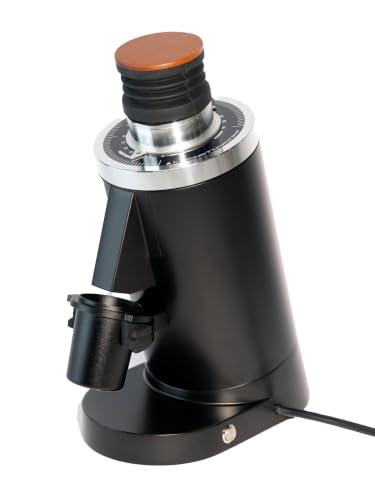
The verdict first. The best Niche Zero alternative for most people is the Turin DF83 Gen 2 — a single-dose grinder with 83mm flat burrsand stepless adjustment, which is more burr than the Niche offers and is bought from stock rather than joined to a queue. If you want the closest thing to the Niche's workflow for the least money, the DF64 Gen 2 is the budget pick: the cheapest true single-dose espresso grinder on this page. And if espresso is the goal but the budget is not, the Baratza Encore ESP is the honest cheap answer, with the caveat that it is not a single-doser at all.
We like the Niche Zero and this page is not an argument against it. People search for alternatives for practical reasons: it is sold direct from the manufacturerrather than through retailers, which means availability is whatever Niche's order book says it is, and the price is the price. Nothing below is a criticism of the grinder — the job here is to find machines that match the specific thing it does well.
What the Niche Zero is known for
Three things, by Niche's own description and the reputation that follows from it.
Single-dosing with almost no retention. This is the headline. You weigh in the dose you intend to brew and essentially all of it comes back out, so there are no stale grounds living in the machine between shots and no hopper of beans going flat. That is the behaviour every grinder on this page is matched against.
63mm conical burrs with stepless adjustment. Conical burrs in a compact body, adjusted on a continuous dial rather than in clicks, which is what lets you dial in espresso properly.
A quiet, compact, counter-friendly design.A low-RPM motor and a footprint closer to a kettle than to a commercial grinder — part of why it became the default recommendation for home single-dosing.
How we matched alternatives
A grinder earns a slot here only if it matches the Niche on a stated strength — single-dose workflow, low retention, stepless adjustment, burr size — or beats it on price, and only if it has a live retail listing we can price. Our full approach is on the methodology page. We do not publish scores and we have not run these side by side; what follows is specification matching plus the practical consequence of each difference.
At a glance
The five alternatives side by side. Tap any button for the live Amazon price; the number shown at checkout is the one that applies.
| Grinder | Burrs | Single dose | Adjustment | Matches the Niche on | Price |
|---|---|---|---|---|---|
| Turin DF83 Gen 2 | 83mm flat | Yes | Stepless | Workflow, exceeds on burr size | $499.00Buy |
| DF64 Gen 2 | 64mm flat | Yes | Stepless | Workflow, lower price | $389.00Buy |
| Fellow Ode Gen 2 | 64mm flat | Yes | Stepped | Workflow, filter-tuned | $399.95Buy |
| Eureka Mignon Libra | Flat, with scale | Yes | Stepless | Workflow, adds grind-by-weight | $799.00Buy |
| Baratza Encore ESP | Conical steel | No (hopper) | 40 steps | Price only | $199.95Buy |
Prices shown are from Amazon as of November 7, 2026 and change often — the button always goes to the current listing. Some links may earn us a commission at no extra cost to you.
Best overall alternative: Turin DF83 Gen 2
Who it is for:the espresso drinker who wants the Niche's single-dose workflow with larger flat burrs, and wants to order it today.
The DF83 takes the single-dose format and puts 83mm flat burrs behind it with stepless adjustment. Flat burrs of that diameter are normally a commercial or prosumer feature, and the practical consequence is a tighter particle distribution at espresso fineness — the thing that makes a shot easier to dial in and more repeatable. You get the same dose-in, dose-out behaviour: no hopper, no stale grounds parked in the machine.
Honest cons: it is the most expensive grinder on this page, it is physically larger and louder than a compact conical grinder, and large flat burrs need a firmer bellows-and-tap routine to clear the chamber than a conical does. It is also the newest design here, so the long-term service record is shorter than Baratza's or Eureka's.
Closest match and budget pick: DF64 Gen 2
Who it is for:the buyer who wants the Niche's workflow at the lowest price that still delivers it properly.
The DF64 is the single-dose grinder that made the format affordable: 64mm flat burrs, stepless adjustment, and the same weigh-in-weigh-out routine. It is named here as the budget pick because it is the cheapest true single-doser on this page — not because it is a lesser machine. For a home espresso setup it covers the same ground as the Niche for less money, and it is already a pick on our best single-dose grinders and best espresso grinders under $500 pages.
Honest cons: 64mm flat burrs are smaller than the DF83's and the Niche's conicals behave differently at coarse settings, so it is less happy as an all-methods grinder; and it wants a bellows and a knock to clear fully, which is a routine rather than a press of a button.
Best for filter-first drinkers: Fellow Ode Gen 2
Who it is for: the person who wanted a Niche mostly for the single-dose workflow, but grinds for pour over, AeroPress and French press rather than espresso.
The Ode Gen 2 is a 64mm flat-burr single-dose grinder deliberately tuned for brewed coffeerather than espresso. If your cup is a V60 and not a basket, that tuning is an advantage rather than a limitation — it puts its resolution where you actually adjust. It is compact, quiet for a flat-burr grinder, and the single-dose format means no hopper of beans going stale. Reviewed in full in our Fellow Ode Gen 2 review.
Honest cons: it does not reach espresso fineness in a way you can dial a shot with, and the adjustment is stepped rather than stepless. If espresso is any part of your routine, this is the wrong alternative — buy a DF64 instead.
Best for grind-by-weight: Eureka Mignon Libra
Who it is for: the espresso drinker who wants the grinder to stop at 18.0 g rather than at a timer setting.
The Libra adds the one thing the Niche does not have: an integrated scale. You ask for a weight and the grinder delivers that weight, which removes the step most home baristas do manually and removes the drift that comes from dosing by time as beans age. It is otherwise a conventional single-dose Eureka — stepless, compact, built on a long-standing grinder platform with a real service network.
Honest cons: it is near the top of the price range here, built-in scales add a part that can go out of calibration, and the Mignon body is a tighter package than the DF-series — less to take apart, but also less to take apart when you want to. Related picks sit on our best espresso grinders under $1,000 page.
Cheapest espresso-capable option: Baratza Encore ESP
Who it is for:the buyer whose real constraint is money, not workflow — and who would rather have an espresso-capable grinder now than a single-doser later.
We are including this one with a clear label: the Encore ESP is not a single-dose grinder and does not match the Niche on retention. It is a hopper grinder with 40 stepped settingsre-geared so most of them land in the espresso range. What it matches the Niche on is nothing except being able to dial in a shot — at a small fraction of the price. If the single-dose workflow was the point for you, skip it; if the point was "a grinder good enough for espresso", it is the honest cheap answer, and it is fully serviceable. See the Encore ESP review for the detail.
The bottom line
If you wanted a Niche Zero for single-dosing and cannot or would rather not buy direct, the Turin DF83 Gen 2 is the strongest substitute and gives you bigger burrs than the original. The DF64 Gen 2 is the cheapest way to get the same workflow and the budget pick here. Grinding for filter rather than espresso? Fellow Ode Gen 2. Want the machine to weigh the dose? Eureka Mignon Libra. And if the budget is the real constraint, the Baratza Encore ESP will pull a good shot while you save for the rest.
Frequently asked questions
What is the best Niche Zero alternative?
The Turin DF83 Gen 2 for most espresso drinkers: it keeps the single-dose, weigh-in-weigh-out workflow the Niche is known for, uses larger 83mm flat burrs, adjusts steplessly, and is bought from retail stock rather than direct from the manufacturer. If you want that workflow for less money, the DF64 Gen 2 is the cheapest true single-dose option. If you grind mainly for pour over, the Fellow Ode Gen 2 is tuned for brewed coffee instead.
Why do people look for Niche Zero alternatives?
Mostly availability and price rather than performance. The Niche Zero is sold direct from the manufacturer rather than through retailers, so stock and price are whatever the maker's order book says, and there is no third-party listing to compare. Buyers who want to order from a retailer with a current price, or who want larger flat burrs or a built-in scale, end up looking at the single-dose grinders on this page.
Is there a cheaper single-dose grinder than the Niche Zero?
Yes. The DF64 Gen 2 delivers the same single-dose workflow - 64mm flat burrs, stepless adjustment, no hopper - at a lower price, which is why it is the budget pick on this page. It gives up some burr size and is less comfortable as an all-methods grinder, but for home espresso it covers the same ground. Check the live price on the button rather than assuming, because grinder prices in this band move.
What does single-dosing actually mean, and does it matter?
Single-dosing means weighing in exactly the coffee you intend to brew rather than filling a hopper, so there are no beans sitting in the machine going stale and almost no ground coffee retained between brews. It matters most if you switch between coffees often or pull one or two shots a day, where a hopper's worth of beans would go flat before you used it. If you drink the same coffee several times daily, a hopper grinder is less of a compromise.
Do I need flat burrs or conical burrs for espresso?
Either will make good espresso. Flat burrs tend to produce a tighter particle distribution, which many people find makes a shot easier to dial in and more repeatable, especially at larger diameters. Conical burrs are usually quieter, cheaper to produce and gentler on the grounds. The practical difference between a good conical and a good flat is smaller than the difference between either and a cheap grinder.
Sources
- Niche - Zero grinder product page (single-dose workflow, 63mm conical burrs, stepless adjustment)
- Turin - DF83 Gen 2 specifications (83mm flat burrs, stepless adjustment, single dose)
- DF64 Gen 2 specifications (64mm flat burrs, stepless adjustment, single dose)
- Fellow - Ode Gen 2 specifications (64mm flat burrs, brewed-coffee tuning, single dose)
- Eureka - Mignon Libra specifications (integrated scale, grind by weight)
- Baratza - Encore ESP specifications (40 stepped settings, espresso-weighted range)
Keep reading
Buying your first setup?
See how we pick — compiled specs, cost-per-shot math, and honest trade-offs — then dig into the guides. No fake test lab, no rankings for hire.