Guide
How to Clean a Milk Frother
Milk is the least forgiving thing in a coffee setup: it burns on, dries hard and sours fast. Here is the thirty-second routine for every type of frother, the deep clean for when you have skipped it, and the mistakes that ruin equipment.
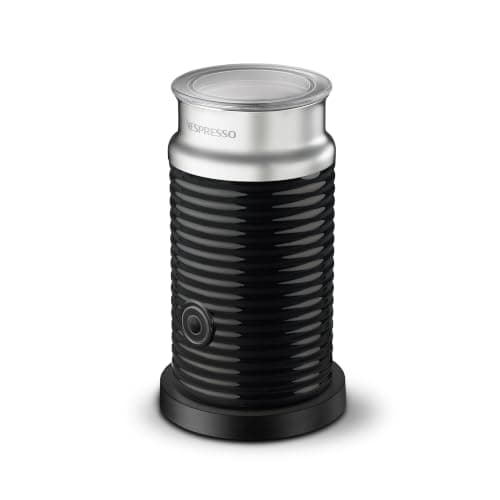
For a steam wand: purge it, wipe it with a damp cloth immediately, then purge again — every single time, within seconds of finishing, before the milk dries. For a handheld whisk: spin it in a mug of warm soapy water and rinse. For a jug or carafe frother: rinse with cold water first, then wash with warm soapy water, and check the manual before anything goes in a dishwasher. That is the whole answer. Everything below is the detail, the deep clean for when you have already skipped it, and the two mistakes that actually damage equipment.
The reason this matters more than it sounds: milk residue is not a cosmetic problem. It sours, it harbours bacteria, it blocks steam holes, and once it has been heated onto metal it stops coming off with a wipe.
Why milk is the problem
Milk contains proteins, fats and sugars, and heat does something unhelpful to each of them. Proteins denature and stick to hot metal. Fats leave a film that cold water will not shift. Lactose caramelises onto a hot surface and goes hard. Steam makes all three happen faster, because a steam wand is hot and because the milk inside the tip is being cooked rather than warmed.
Two practical consequences follow. First, time matters more than effort: milk wiped off a wand at five seconds comes away with a damp cloth, while the same milk at five minutes needs soaking. Second, temperature order matters: a cold rinse first removes protein and sugar residue without cooking it on, and then warm soapy water deals with the fat. Hot water straight onto a milky surface sets the protein, which is the same reason you rinse a milk pan in cold water.
Steam wand: the 30-second routine
This applies to any machine with a manual or automatic steam wand — a Gaggia Classic Pro, a Bambino Plus, a De'Longhi panarello, anything. Do it every time, in this order:
- Purge before you steam.Open the steam valve for a second or two over the drip tray to blow out condensed water sitting in the wand. This is part of good steaming technique anyway — see how to steam milk— and it also means you are not pushing yesterday's residue into today's milk.
- Steam your milk, then cut the steam at temperature.
- Wipe immediatelywith a damp cloth kept for this job only. Immediately means within a few seconds, before the wand's own heat dries the milk onto it.
- Purge again for a second or two. This clears milk that has been drawn up inside the tip, which is the part a cloth cannot reach and the part that actually goes sour.
Skipping step 4 is the single most common mistake, because the wand looks clean after step 3. Milk inside the tip is what blocks the steam holes and what makes a wand smell.
If the holes are already blocked:unscrew the tip if your machine allows it and soak it in warm water with a milk-system cleaner or a drop of dish soap, then clear the holes with a pin or a needle — a WDT tool needle works for this, though use a cheap one rather than bending the good needles. Never force a wire into a hole that is not blocked; you can deform it.
Handheld whisk frothers
The easiest category by a wide margin, because there is almost nothing to clean. A handheld frother is a motor, a shaft and a stainless spring whisk, and only the whisk ever touches milk.
- Fill a mug with warm water and a drop of dish soap.
- Put the whisk in and run the frother for five seconds.
- Rinse in clean water, run it dry for a second, stand it up to dry.
Two cautions. Do not submerge the body— the motor and battery compartment are not sealed, and water in the battery housing is how most of these die. And check the whisk where it joins the shaft occasionally, because dried milk collects at that junction where you cannot see it.
Electric jug frothers
A jug frother — the standalone electric kind with a whisk or magnetic disc in the bottom — needs more care than a handheld and less than a carafe system:
- Unplug it, and let it cool before it goes near water.
- Remove the whisk or frothing disc and wash it separately in warm soapy water. This is where milk hides.
- Rinse the jug with cold water first, then wash with warm soapy water and a soft cloth or sponge.
- Wipe the lid and its seal. Milk sprays upward during frothing and collects under the lid, which is the part everyone forgets.
- Dry everything before the whisk goes back in.
The one hard rule: most jug frothers are not dishwasher-safe and must not be submerged, because the base contains the heating element and electronics. Check your manual for your specific model — a few, like Breville's Milk Cafe, have a removable jug that is explicitly dishwasher-safe, which is a genuine convenience advantage rather than marketing.
Nonstick interiors (the Aeroccino 3 has one) make this much easier, but they are also the reason to avoid abrasive pads and metal utensils — once the coating is scratched, milk starts sticking to the scratches.
Automatic milk carafes
Bean-to-cup machines with a milk carafe — De'Longhi's LatteCrema, Philips' LatteGo, Jura's systems — pull milk through tubes, and tubes are harder to clean than a jug. These systems almost always have a built-in rinse cycle, and the rinse cycle is not optional:
- Run the machine's milk rinse after every milk drink. It flushes hot water or steam through the milk path, which is the only thing that reaches inside the tubes.
- Refrigerate the carafe between drinksif your system is designed for it. Several are — the carafe is meant to go back in the fridge rather than sit out.
- Disassemble and hand-wash the carafe and its spout weekly, including the air-intake hole, which is small and clogs.
- Use a milk-system cleaner periodically as the manual specifies. Dish soap does not remove milk-fat films from inside narrow tubing.
Note that this is a different cleaning job from the two on the coffee side of the machine, and the chemicals are not interchangeable: espresso-machine cleaner handles coffee oils (see how to clean an espresso machine) and descaler handles mineral scale (see how to descale an espresso machine). Neither is a milk cleaner.
Deep clean: when milk has already baked on
If you are reading this because something is already crusted, the fix is soaking rather than scrubbing:
- Warm soapy water, 15–30 minutes. For a removable steam wand tip, whisk, disc or carafe spout, submerge and wait. Dried milk protein rehydrates; it does not scrape off cleanly.
- A dedicated milk-system cleanerif soap is not enough, used at the dilution on the packaging. This is a different product from espresso-machine cleaning powder — do not substitute one for the other, and do not improvise with descaler, which is an acid aimed at limescale.
- A soft brush for crevices and the whisk-to-shaft junction. Not a metal scourer, and never on a nonstick interior.
- Clear steam holes with a pin after soaking, not before.
- Rinse thoroughly. Any cleaner residue will taste exactly as bad as it sounds in the next drink.
What not to reach for: vinegar. It is an acid aimed at scale, not at milk fat, and most manufacturers advise against it in coffee equipment generally — it is harsher on aluminium components, gaskets and seals than purpose-made products, and the smell is extraordinarily persistent. The same reasoning we give in how to descale an espresso machine applies here.
Four mistakes to avoid
- Hot water first on milky metal. It sets the protein. Cold rinse, then warm soapy water.
- Submerging the base of a jug frother, or the body of a handheld. That is where the electronics are. This is the most common way these devices die.
- Assuming it is dishwasher-safe. Most jug frothers are not, and heat plus detergent will haze a nonstick interior and can warp a lid seal. Check the manual for your model.
- Wiping the steam wand but not purging it. The milk that sours is inside the tip, not on the outside.
A cleaning schedule
| Task | How often | Why |
|---|---|---|
| Purge, wipe, purge the steam wand | Every use | Milk inside the tip sours and blocks holes |
| Rinse and wash the whisk or disc | Every use | It is the only part that touches milk |
| Wipe the lid and seal of a jug frother | Every use | Milk sprays upward and collects there |
| Run the machine's milk rinse cycle | Every milk drink | The only thing that reaches inside the tubing |
| Disassemble and hand-wash a milk carafe | Weekly | Air-intake holes and spouts clog |
| Soak the wand tip, whisk or disc | Weekly | Removes the film a wipe leaves behind |
| Milk-system cleaner through a carafe system | Per the manual | Dish soap does not clear milk-fat films in tubing |
For the coffee half of the machine, our espresso machine cleaning schedule covers backflushing and screen soaking, and how to clean a coffee grinder covers the other appliance people neglect.
Frothers that are easy to clean
If cleaning is the thing that puts you off milk drinks, the choice of frother genuinely changes how much work it is. These three are picks from our best milk frothers guide, ordered here by how little they ask of you at the sink.
| Frother | Type | Cleaning | Price |
|---|---|---|---|
| Zulay Handheld | Battery whisk | Rinse the whisk - nothing else touches milk | $8.89Buy |
| Nespresso Aeroccino 3 | Electric jug | Nonstick interior rinses clean; do not submerge the base | $49.99Buy |
| Breville Milk Cafe | Induction jug | Removable jug is dishwasher-safe | $199.00Buy |
Prices shown are from Amazon as of October 10, 2026 and change often — the button always goes to the current listing. Some links may earn us a commission at no extra cost to you.
One honest note before the picks: if you already own an espresso machine with a steam wand, you probably do not need any of these. A wand plus a stainless frothing pitcher makes better microfoam than any standalone frother and the pitcher is the easiest thing here to clean. A standalone frother is for people without a wand, or for cold foam.
Easiest jug to clean: Nespresso Aeroccino 3
Who it is for: the pod-machine or no-machine household that wants one-touch hot or cold foam without a wand to maintain.
| Type | Standalone electric jug frother |
|---|---|
| Froth capacity | ~130 ml / 4.4 oz (foam line) |
| Warm-milk capacity | ~240 ml / 8.1 oz (max line) |
| Modes | Hot froth, cold froth, warm milk |
| Interior | Nonstick coated |
| Operation | One-touch, auto shut-off |
What we like: the nonstick interior means most of the time a rinse genuinely is enough, the whisk lifts out, and there is no steam wand to purge. The honest cons: the base contains the electronics so it must not be submerged or put in a dishwasher; nonstick means no abrasive pads ever, and a scratched coating starts holding milk; and the capacity is modest at a bit over four ounces of foam.
Simplest of all: Zulay Handheld Milk Frother
Who it is for: anyone who wants foam with essentially zero cleaning overhead, and who does not need the milk heated.
| Type | Handheld electric whisk |
|---|---|
| Power | 2 x AA batteries |
| Whisk | Stainless steel spring whisk |
| Heats milk | No (foams pre-warmed milk) |
| Also good for | Matcha, shakes, hot chocolate |
What we like: the only part that touches milk is a stainless spring, so cleaning is five seconds in a mug of soapy water. No reservoir, no seals, no carafe, nothing to clog. The honest cons: it does not heat milk, so you need a microwave or a pan first; AA batteries rather than USB; the body must stay out of the water because the battery compartment is not sealed; and dried milk collects where the whisk meets the shaft, which needs an occasional look.
Our how to froth milk without a frother guide covers the no-equipment versions of the same job.
Dishwasher-safe jug: Breville Milk Cafe
Who it is for: the household making several milk drinks at a time that wants the jug to go in the dishwasher rather than the sink.
| Type | Standalone induction jug frother |
|---|---|
| Capacity | Large (up to ~3 cups of froth) |
| Temperature | Adjustable dial (variable) |
| Cold froth | Yes |
| Discs | Latte + cappuccino frothing discs |
| Jug | Removable, dishwasher-safe |
What we like: a removable dishwasher-safe jug is unusual in this category and it is the single biggest cleaning convenience available, the induction base means the electronics are separate from the thing that gets milky, and the adjustable temperature dial is a real upgrade. The honest cons: it is the most expensive and the largest frother here, the two frothing discs are small parts that need washing and are easy to lose, and the base itself still needs wiping rather than rinsing.
For what to make with it, our cappuccino vs latte and latte vs flat white guides sort out the foam depths, and best espresso machines for lattes covers machines that do the milk for you.
Frequently asked questions
How do I clean a milk frother?
It depends on the type. A steam wand gets purged, wiped with a damp cloth immediately, then purged again - every use, within seconds, before the milk dries. A handheld whisk gets spun in a mug of warm soapy water and rinsed, with the body kept out of the water. A jug frother gets unplugged and cooled, the whisk or disc removed and washed separately, the jug rinsed in cold water then washed in warm soapy water, and the lid and seal wiped.
How do you clean a steam wand properly?
Purge before steaming to clear condensed water, steam your milk, wipe the wand with a damp cloth within a few seconds of finishing, then purge again for a second or two. That last purge is the step people skip and the one that matters most, because the milk that sours and blocks the steam holes is drawn up inside the tip where a cloth cannot reach.
Can you put a milk frother in the dishwasher?
Usually not. Most electric jug frothers have the heating element and electronics in the base and must never be submerged or put in a dishwasher, and dishwasher heat and detergent will haze a nonstick interior. A few models have a removable jug that is explicitly dishwasher-safe - Breville's Milk Cafe is one - but check your own manual rather than assuming. Handheld whisk frothers: wash the whisk, never the body.
Should I use hot or cold water to clean a milk frother?
Cold first, then warm soapy water. Milk proteins denature and stick when they hit a hot surface, so hot water straight onto milky metal sets the residue rather than removing it - the same reason you rinse a milk pan in cold water. A cold rinse lifts the protein and sugar, and warm soapy water then deals with the milk fat.
How do I unblock the steam wand holes?
Soak first, then clear. Unscrew the tip if your machine allows it and soak it in warm water with a drop of dish soap or a milk-system cleaner for 15 to 30 minutes, then clear the holes with a pin or needle. Do not force a wire into a hole before soaking, and do not poke holes that are not blocked - you can deform them, which changes how the wand steams.
Can I use vinegar to clean a milk frother?
You should not. Vinegar is an acid aimed at limescale, not at milk fat and protein, so it is the wrong tool for the job - and in coffee equipment generally most manufacturers advise against it, because acetic acid is harsher on aluminium components, gaskets and seals than purpose-made products and the smell is extremely persistent. Use warm soapy water, or a dedicated milk-system cleaner for a carafe system.
How often should I clean a milk frother?
Every single use, at a basic level - wipe and purge a steam wand, rinse a whisk or disc, wipe a jug lid and seal. An automatic milk carafe needs its built-in rinse cycle run after every milk drink. On top of that, hand-wash and disassemble a carafe weekly including the air-intake hole, soak the wand tip or whisk weekly, and run a milk-system cleaner through tubing at whatever interval the manual specifies.
Sources
- Nespresso - Aeroccino 3 product page and care guidance (nonstick interior, capacities, do not immerse)
- Zulay Kitchen - Original Milk Frother product page (stainless spring whisk, AA batteries, care)
- Breville - Milk Cafe product specifications (removable dishwasher-safe jug, latte and cappuccino discs, adjustable temperature)
- National Coffee Association - Espresso brewing guidance (milk texturing and equipment care)
- Specialty Coffee Association - equipment hygiene and brewing standards
Keep reading
Buying your first setup?
See how we pick — compiled specs, cost-per-shot math, and honest trade-offs — then dig into the guides. No fake test lab, no rankings for hire.