Buying Guide
The Best Coffee Beans for a Moka Pot in 2026
A moka pot brews hot, fast and under low pressure, which flatters some beans and punishes others. Four whole-bean picks, what each one does in the cup, and how to choose your own.
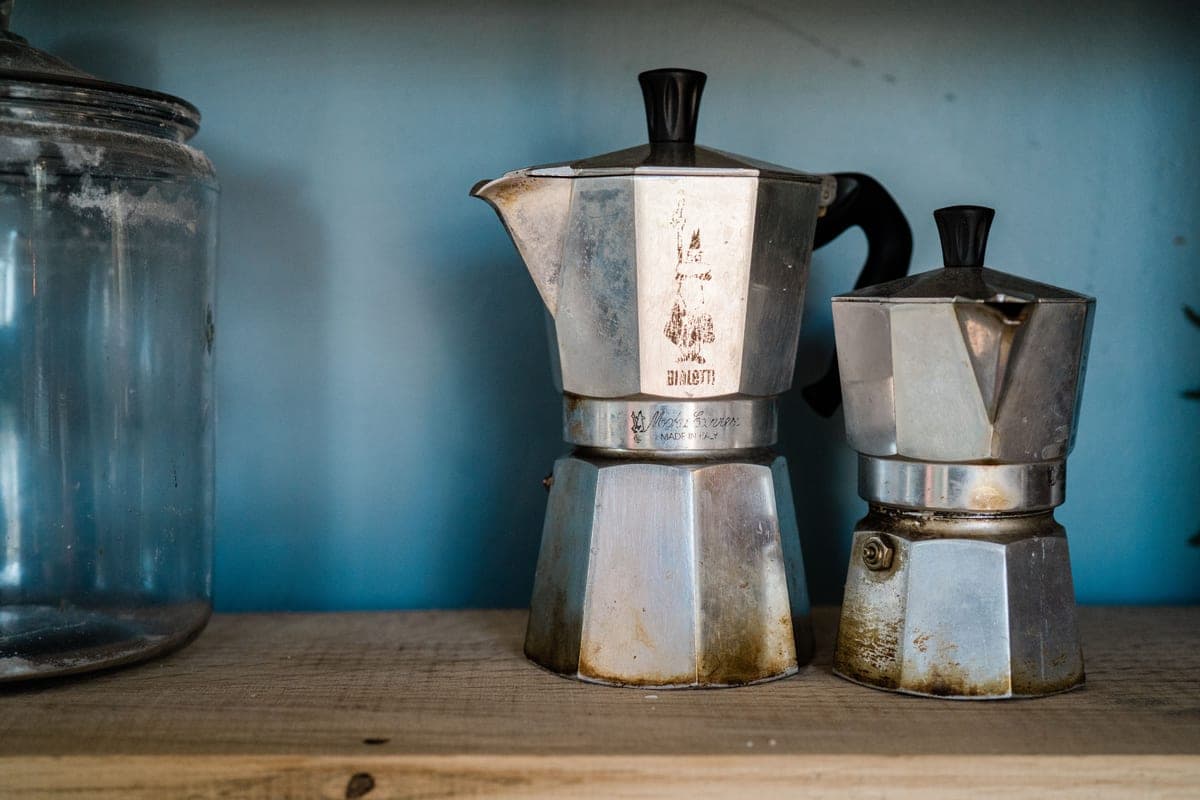
For most moka pots the best bean is Lavazza Super Crema, and the reason is the Robusta in the blend. A moka pot brews at only about 1–2 barof steam pressure — against roughly 9 barfor a real espresso machine — so it cannot emulsify oils the way an espresso machine does. Beans that carry their own body and crema potential taste full in a moka pot; delicate, bright single origins often taste hollow and sharp. If you drink your moka coffee black and want balance over power, Illy Classico is the alternative; if it goes into milk, take Peet's Espresso Forte.
This is a different question from our best coffee beans for espresso guide, even though two picks appear on both pages. An espresso machine has pressure to extract with and a pressurised or precision basket to work against; a moka pot has heat, time and gravity. What changes is how much the bean has to bring on its own.
What a moka pot actually does to beans
Three things, and each one points at a different bean choice.
- It brews hot and it brews fast. Water arrives at the puck near boiling and passes through in well under a minute. That extracts the darker, heavier compounds efficiently and the delicate aromatics less so, which is why a moka pot flatters medium and dark roasts and tends to flatten the floral end of a light roast.
- It has almost no pressure.At 1–2 bar there is no mechanism for real crema. A blend with some Robusta in it produces visible foam and a thicker mouthfeel anyway, which is most of what people like about a good moka cup.
- It is unforgiving about bitterness. Too much heat or too long on the burner, and a dark roast tips from bittersweet to scorched quickly. Our how to use a moka pot guide covers pulling the pot off the heat at the right moment, which matters more with darker beans.
What to look for in a moka pot bean
We choose on published roast level, composition and the roaster's own description of flavour direction — not on cupping scores we did not award or blind tests we did not run. Four things decide it:
- Roast level: medium to dark. This is the single biggest lever. Medium is the safe default; dark is right if milk is involved. Light roasts are the hardest to brew well in a moka pot because the method does not reach the acidity-balancing extraction they need.
- Composition: a little Robusta helps here. Robusta brings body, foam and a heavier, more bitter base. In espresso that is a stylistic choice; in a moka pot it substitutes for the pressure the pot does not have.
- Whole bean, always. Pre-ground bags are usually cut for drip, which is coarser than a moka pot wants, and they stale fast. See how to store coffee beans for what that costs you.
- Bag size you will finish. Roasted coffee holds its best flavour for weeks, not months, so the 2 lb bag that looks like value is only value if you drink it.
At a glance
| Beans | Roast | Composition | In the cup | Price |
|---|---|---|---|---|
| Lavazza Super Crema | Medium | Arabica & Robusta | Creamy, nutty, big body | $26.99Buy |
| Illy Classico | Medium | 100% Arabica | Smooth, balanced, chocolatey | $89.94Buy |
| Peet's Espresso Forte | Dark | Blend | Bold, bittersweet, heavy | $30.51Buy |
| Stumptown Hair Bender | Medium | Multi-region specialty | Complex, brighter, chocolatey | $15.19Buy |
Prices shown are from Amazon as of October 5, 2026 and change often — the button always goes to the current listing. Some links may earn us a commission at no extra cost to you.
Best overall for a moka pot: Lavazza Super Crema
Who it is for: anyone who wants their moka pot to produce a thick, sweet, Italian-style cup without thinking about it.
Super Crema is a medium-roast Arabica and Robusta blendthat Lavazza builds specifically for body and crema, and that is precisely the gap a moka pot leaves. The flavour direction the roaster describes — creamy, nutty, mild — is also the most forgiving profile for a brew method that runs hot: there is not much delicate aromatic material to lose, and plenty of sweetness that survives.
| Roast | Medium |
|---|---|
| Composition | Arabica & Robusta blend |
| Form | Whole bean |
| Flavor direction | Creamy, nutty, mild |
| Best for | Everyday moka coffee, body and foam |
What we like: body and foam a 1–2 bar brew cannot generate on its own, wide availability, and a profile that tolerates slightly wrong grind or heat better than a specialty bean does. The honest cons: the Robusta content means it is not a nuanced cup — if you like acidity and fruit, this will read as flat. It is a blend built for consistency rather than character. And it is usually sold in large bags, which works against freshness unless you are brewing daily.
Best balanced medium roast: Illy Classico
Who it is for: the moka drinker who takes it black and wants the same cup every single bag.
Classico is a 100% Arabica medium roastblended for balance, and Illy's whole pitch is consistency — the blend is built to taste the same regardless of harvest. In a moka pot that reliability is worth real money, because the pot already introduces variables (burner heat, water level, how long you leave it) that you are trying to control one at a time.
| Roast | Medium |
|---|---|
| Composition | 100% Arabica blend |
| Form | Whole bean |
| Flavor direction | Smooth, balanced, chocolatey |
| Best for | Black moka coffee, repeatability |
What we like: smooth and chocolatey without the bitterness a dark roast brings, and the most predictable bag on this page. The honest cons: no Robusta means less body and less foam than the Lavazza, which some people read as thin out of a moka pot. It costs more per pound than the supermarket Italian blends. And "balanced" is the point, so it will not excite anyone chasing a distinctive cup.
Best dark roast and best for milk: Peet's Espresso Forte
Who it is for: anyone pouring moka coffee into hot milk, or anyone who wants an unmistakably bold cup.
Espresso Forte is a dark roast blendwith a bittersweet, heavy-bodied profile — the kind of coffee that still tastes like coffee through four ounces of milk. A moka pot plus steamed or frothed milk is the cheapest route to a cappuccino-style drink at home, and this is the bean that makes it work. Our how to froth milk without a frother guide covers the milk half with nothing but a jar.
| Roast | Dark |
|---|---|
| Composition | Blend |
| Form | Whole bean |
| Flavor direction | Bold, bittersweet, heavy-bodied |
| Best for | Milk drinks, dark-roast drinkers |
What we like: it cuts through milk, the body is the heaviest here, and it is widely stocked. The honest cons: a dark roast is the least forgiving choice in a moka pot — leave the pot on the burner thirty seconds too long and bittersweet becomes scorched. Dark roasts also stale noticeably once opened, because more of the oil is already on the surface of the bean. And black, without milk, this is a lot of coffee for some palates.
Best specialty blend: Stumptown Hair Bender
Who it is for: the moka drinker who already controls grind and heat and wants a more interesting cup than an Italian blend gives.
Hair Bender is a multi-region specialty mediumthat Stumptown describes as complex, bright and chocolatey — more acidity and more going on than anything else here. In a moka pot that is a genuine trade: you get a cup with character, and you get less margin for error, because the brightness that reads as fruit at the right extraction reads as sour at the wrong one.
| Roast | Medium |
|---|---|
| Composition | Multi-region specialty blend |
| Form | Whole bean |
| Flavor direction | Complex, bright, chocolatey |
| Best for | Enthusiasts with a dialled-in pot |
What we like: by far the most interesting cup on the page, and versatile enough to cover a pour overwith the same bag. The honest cons: a brighter bean punishes a moka pot run too hot or ground too coarse, which is exactly when people blame the beans. It is the most expensive per pound here. And it is a specialty roast, so the right window to drink it is short — buy a bag you will finish in a fortnight.
Can you use espresso beans in a moka pot?
Yes — and in practice a bag labelled espresso is usually the right bag. There is no such thing as a bean that only works as espresso; the label signals a medium-to-dark roast and a blend built for body, both of which suit a moka pot. What you must not copy from espresso is the grind. Espresso-fine grounds give a 1–2 bar brew more resistance than it can overcome, which is the sputtering, bitter failure mode. Moka wants fine-medium; see our grind size chart.
The same logic runs in reverse: beans that make a good moka cup generally make a decent espresso if you own a machine, which is why two of the picks here also appear in our espresso beans guide. If you are comparing the two brew methods rather than the beans, moka pot vs espresso machine and AeroPress vs moka pot cover that ground.
Grind and freshness matter more than the bag you choose
This is the uncomfortable part of a beans guide. The difference between the four picks above is real but modest; the difference between any of them freshly ground at fine-medium and the same bag pre-ground three months ago is enormous. Two things dominate:
- Grind fresh, at fine-medium. A burr grinder set between espresso and table salt is the upgrade that changes a moka pot most. Our best grinders for a moka pot guide ranks the options, hand grinders included.
- Buy small, store airtight and opaque. The National Coffee Association recommends buying enough for one or two weeks at a time and keeping beans in an airtight, opaque container away from heat and light, and lists roasted whole beans as holding their freshness for about 1–3 weeks at room temperature once opened.
Dial those two in and the bean choice becomes what it should be — a preference, not a rescue.
How to choose
- First bag, or you want a thick, sweet cup? Lavazza Super Crema.
- You drink it black and want consistency? Illy Classico.
- It is going into milk? Peet's Espresso Forte.
- Your pot is dialled in and you are bored? Stumptown Hair Bender.
If you are still assembling the setup rather than the shopping list, our best moka pots roundup and moka pot size guide cover the hardware, and the Bialetti Moka Express review covers the pot most people end up owning.
Frequently asked questions
What are the best coffee beans for a moka pot?
Lavazza Super Crema for most people - a medium Arabica-and-Robusta blend whose body and foam compensate for the fact that a moka pot brews at only about 1-2 bar of pressure. Illy Classico is the better pick if you drink moka coffee black and want a balanced 100% Arabica cup, and Peet's Espresso Forte is the one to use if the coffee is going into milk.
Can I use espresso beans in a moka pot?
Yes. Espresso is a brew method, not a bean, and bags labelled espresso are usually a medium-to-dark roast blended for body - which is good moka advice too. What you should not copy from espresso is the grind: espresso-fine grounds give a 1-2 bar moka brew more resistance than it can push through, which causes sputtering and bitterness. Grind fine-medium instead.
Should I use light or dark roast in a moka pot?
Medium as a default, dark if milk is involved. A moka pot brews hot and fast, which extracts heavier compounds efficiently and delicate aromatics less so, so light roasts are the hardest to brew well - their acidity tends to read as sour rather than fruity. Dark roasts taste bold and carry through milk, but they tip into scorched quickly if you leave the pot on the burner too long.
Does a moka pot need special 'stovetop espresso' coffee?
No. That label signals a medium-to-dark roast ground finer than drip, nothing more. Any whole-bean medium or dark roast ground to fine-medium will work, and grinding it yourself is better than any pre-ground bag because pre-ground coffee is usually cut for drip and stales within a week or two of opening.
How long do coffee beans stay fresh for moka brewing?
The National Coffee Association lists roasted whole beans as retaining freshness for about 1-3 weeks at room temperature once opened, and recommends buying enough for one or two weeks at a time and storing them in an airtight, opaque container away from heat, light and moisture. Ground coffee is shorter at about 1-2 weeks, which is the main argument for grinding per brew.
Is Robusta bad in coffee beans?
Not for a moka pot. Robusta brings body, foam and a heavier, more bitter base, which is why Italian espresso blends include it - and in a moka pot it partly substitutes for the pressure the pot does not have. If you prefer acidity, fruit and nuance, a 100% Arabica blend like Illy Classico or a specialty blend like Stumptown Hair Bender will suit you better.
Sources
- Lavazza - Super Crema product information (medium roast, Arabica and Robusta blend, flavour description)
- illycaffe - Classico blend information (100% Arabica, medium roast, balanced profile)
- Peet's Coffee - Espresso Forte product page (dark roast, blend, flavour description)
- Stumptown Coffee Roasters - Hair Bender (multi-region specialty blend, roast and flavour description)
- National Coffee Association - Storage and shelf life: buy enough for one to two weeks, use airtight and opaque containers, keep away from air, moisture, heat and light; roasted whole beans 1-3 weeks and ground coffee 1-2 weeks at room temperature
- Bialetti - Moka Express product information and brewing guidance
- Specialty Coffee Association - brewing and extraction standards
Keep reading
Buying your first setup?
See how we pick — compiled specs, cost-per-shot math, and honest trade-offs — then dig into the guides. No fake test lab, no rankings for hire.