Troubleshooting
Why Is My Espresso Sour?
Sour espresso is almost always under-extraction — water left the puck before it took enough out. Here are the five causes in order of likelihood, and the one change to make for each.
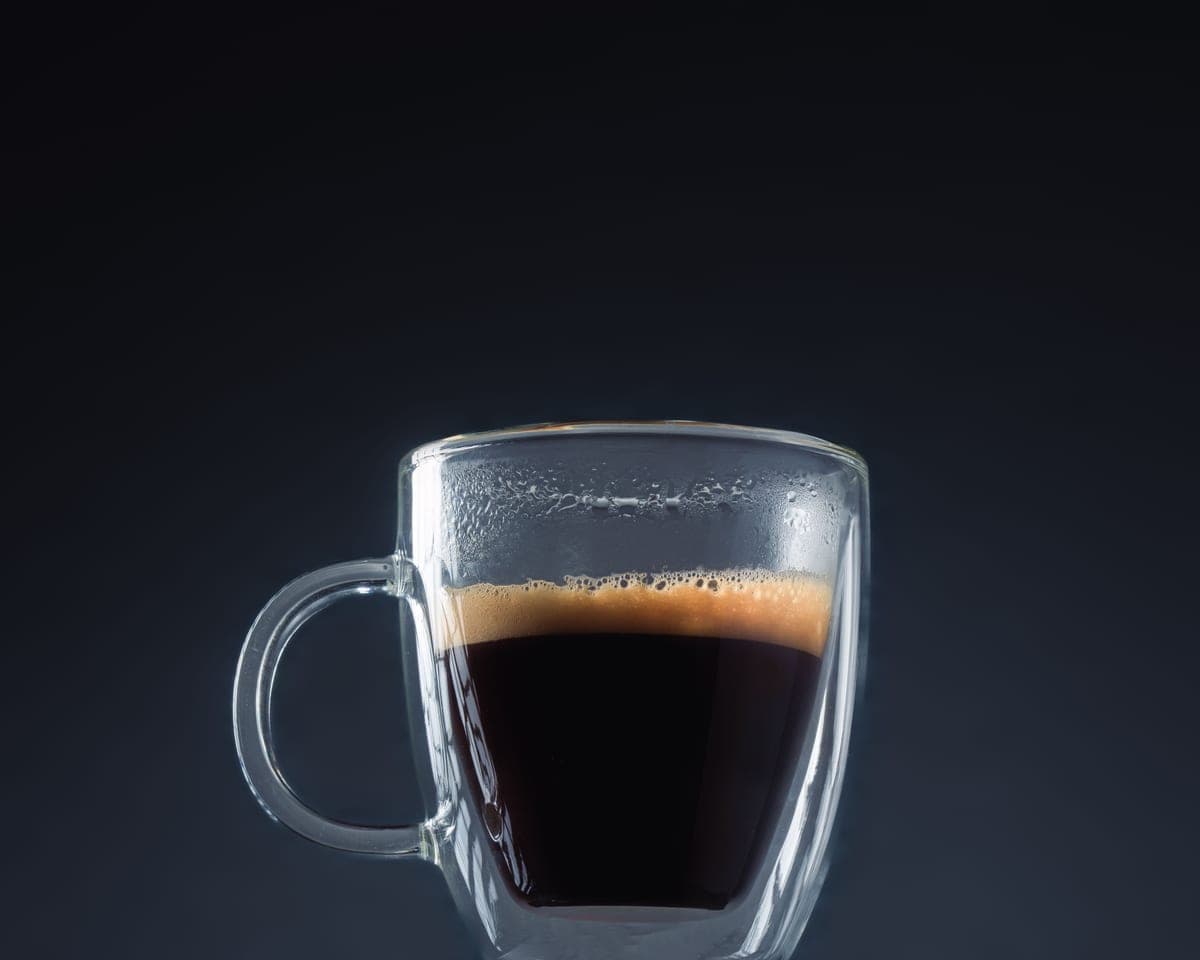
Sour espresso is under-extraction, and the first fix is almost always to grind finer. Sourness — sharp, thin, lemony, puckering, sometimes with a salty edge — means water passed through the coffee too easily and left before it dissolved enough of it. The acids in coffee extract first and the sugars that balance them extract later, so a shot that ends early is all acid and no sweetness. Grind one or two steps finer, keep everything else the same, and taste again.
If finer grind does not fix it, work down the list below in order. Each cause has one corrective change, and the rule that matters more than any of them is change one variable at a time. The opposite problem — harsh, dry, ashy bitterness — needs the opposite fixes, and we cover that in why is my espresso bitter.
The quick answer
| Symptom | Most likely cause | The one change to make |
|---|---|---|
| Sour, and the shot ran fast | Grind too coarse | Grind 1-2 steps finer |
| Sour, and the shot ran to time | Ratio too long (over-extended yield) | Stop the shot earlier - target about 1:2 |
| Sour only on the first shot of the day | Machine not up to temperature | Wait longer, then flush the group |
| Sour and thin, uneven flow or spraying | Channelling | Use a WDT tool, tamp level |
| Sour however you pull it | Light roast, or very fresh / very stale beans | Grind finer still, or change beans |
Causes and fixes, in order
The order below is deliberate: it is roughly the order of how often each one is the real culprit on a home machine, and also the order of how cheap each fix is.
1. Grind too coarse (the usual answer)
Grind size controls how much resistance the puck gives the pump. Coarser grounds mean larger gaps, which means water finds its way through quickly and contacts less coffee surface. The symptom pair is distinctive: the shot runs fast and it tastes sour.
The fix is to grind finer, one or two steps, and pull again. If an 18 g dose was reaching 36 g in 15 seconds, finer grind should push that toward the 25–30 second region, and sourness should give way to sweetness as it does. Our grind size chart covers where espresso sits relative to other methods, and how to pull an espresso shot has the full sequence.
2. Ratio too long - you pulled too much liquid
Espresso is a dose-to-yield ratio by weight: the dry grounds in the basket against the liquid espresso in the cup. A normale shot is around 1:2— roughly 18 g in, 36 g out. Keep going past that and you are adding water to a shot whose sweetness has already been extracted, which dilutes the balance and leaves the acidity proportionally louder.
The confusing case is the shot that looks right. Crema volume varies enormously with roast level and bean age, so 50 g of liquid can look like a normal double in a cup. This is the single best argument for a scale: see do I need a scale for espresso and coffee-to-water ratio.
3. Water too cool
Cooler water extracts more slowly, and a shot pulled below the right temperature tastes exactly like an under-extracted one. Three common versions:
- The machine is not warmed up.Thermoblock and thermojet machines are ready in seconds to a minute; a single-boiler machine like the Gaggia Classic Pro needs roughly 5–10 minutes to reach temperature. The first shot of the day being sour and the second being fine is this.
- The group and portafilter are cold. Metal pulls heat out of the water on its way through. Flush a little water through the group with the portafilter locked in before you dose.
- The cup is cold. Minor, but a thick ceramic cup straight from the cupboard takes real heat out of a 36 g shot. Our espresso cups guide covers thermal mass, which is the actual reason a demitasse is built the way it is.
4. Channelling - water taking the easy route
Channelling is when water finds a low-resistance path through the puck and sends most of the flow down it. The coffee in that channel is over-extracted; everything else is barely touched at all. The cup that comes out is thin and sour with a bitter edge, which is why channelling is so often misdiagnosed — it produces both faults at once.
Causes, in order: clumps in the grounds, an uneven bed, a tilted tamp, and a dose that does not match the basket. Fixes, in order:
- Break up the clumps. A WDT tool — a handful of fine needles stirred through the dry grounds — is the biggest improvement per dollar in espresso, and it exists specifically for this.
- Tamp level, not hard. Level matters; force mostly does not. Our how to tamp espresso guide covers why.
- Diagnose it visually. A bottomless portafilter shows you the underside of the puck while the shot runs, which turns channelling from a theory into something you can watch and fix.
5. The beans themselves
Two bean-side causes produce persistent sourness that no amount of grinding fixes.
- A light roast. Light roasts are denser and more acidic, and they need a finer grind, a hotter brew and often a longer ratio to taste sweet rather than sharp. If you have inherited a light specialty roast and a modest grinder, that combination is the hardest in espresso. Our best coffee beans for espresso guide leans medium for exactly this reason.
- Beans too fresh, or far too old. Coffee degassing hard in the first few days after roast produces erratic, fast-running shots. Very stale coffee goes flat rather than sour, but it does make shots unpredictable. The National Coffee Association lists roasted whole beans as retaining freshness for about 1–3 weeks at room temperatureonce opened, stored airtight and opaque — see how to store coffee beans.
One thing that is noton this list: pleasant fruit acidity. A good light-roast espresso can taste bright and tart on purpose. Sourness is the version of that with no sweetness behind it — if the shot is sharp and sweet, it may simply be the coffee.
When the gear is the limit, not the technique
If you have ground as fine as the machine goes and the shot is still fast and sour, more technique will not help. Three pieces of equipment, in the order we would buy them:
A grinder that reaches espresso fineness — Baratza Encore ESP.Who it is for: anyone whose grinder has run out of adjustment. 40mm M2 conical burrs with roughly 20 microns per step across its espresso range (settings 1–20), and a filter range above that. The honest cons: it is hopper-fed, so retention and purging apply, and the stepped dial means your target can sit between two clicks.
| Burrs | 40mm M2 conical (steel, user-replaceable) |
|---|---|
| Grind settings | 40 stepped (1-20 espresso, 21-40 filter) |
| Espresso step size | ~20 microns per step |
| Included | 54mm dosing cup + 58mm portafilter adapter |
A 0.1 g scale — Timemore Black Mirror Basic 3.Who it is for: anyone who cannot say what their dose and yield were. Until you know both numbers, "grind finer" and "stop the shot earlier" are indistinguishable guesses. The honest cons: the flow-rate display is more information than a beginner needs, and it is USB-C rechargeable, so it needs charging.
A WDT tool — Normcore WDT Tool V3. Who it is for: anyone whose shots run unevenly or spray. 0.35 mm stainless needles, used inside the basket to break up clumps and distribute grounds, with a stand. The honest cons: the fine needles bend if you are rough with them, and it adds a step to every shot.
| Needles | 0.35 mm stainless steel |
|---|---|
| Job | Break up clumps, distribute grounds |
| Includes | Stand / holder |
| Fits | Any basket size (used inside the basket) |
| Fix | What it solves | Price |
|---|---|---|
| Baratza Encore ESP | Grinder cannot go fine enough | $199.95Buy |
| Timemore Black Mirror Basic 3 | You cannot measure dose or yield | $59.00Buy |
| Normcore WDT Tool V3 | Channelling and clumping | $32.69Buy |
Prices shown are from Amazon as of October 5, 2026 and change often — the button always goes to the current listing. Some links may earn us a commission at no extra cost to you.
Sour vs bitter: they need opposite fixes
The two faults are mirror images, and confusing them is how people spiral. The quick test is what the sip does after you swallow: sour makes you salivate and puckers the sides of your tongue; bitter dries your mouth out and sits at the back.
| Sour (under-extracted) | Bitter (over-extracted) | |
|---|---|---|
| Shot time | Too fast | Too slow |
| Grind | Too coarse - go finer | Too fine - go coarser |
| Ratio | Yield too long | Yield too long and running slowly |
| Temperature | Too cool - warm up longer | Too hot, or a dirty group |
| Beans | Light roast, or degassing | Dark roast, or stale |
If a shot tastes sour andbitter at once, suspect channelling first — that is its signature. Our bitter espresso guide covers the other half of the problem, and how to clean an espresso machine covers the one cause that masquerades as both.
Frequently asked questions
Why is my espresso sour?
Because it is under-extracted - water passed through the coffee too easily and left before dissolving enough of it. Coffee's acids extract first and the sugars that balance them extract later, so a shot that ends early tastes all acid and no sweetness. The first fix is to grind one or two steps finer, keeping dose and yield the same, and taste again.
Does grinding finer fix sour espresso?
Usually, yes - it is the first thing to try. Finer grounds give the pump more resistance, so water spends longer in contact with more coffee surface and extracts the sweetness that balances the acidity. If an 18 g dose was reaching 36 g in around 15 seconds, grinding finer should move that toward 25-30 seconds and the sourness should recede as it does.
Can sour espresso be caused by the machine not being hot enough?
Yes, and it is the classic first-shot-of-the-day problem. Cooler water extracts more slowly, which tastes identical to under-extraction. Thermoblock and thermojet machines are ready in seconds to a minute, but a single-boiler machine like the Gaggia Classic Pro needs roughly 5-10 minutes to reach temperature, and flushing water through the group with the portafilter locked in warms the metal that would otherwise steal heat from the shot.
What is channelling, and why does it taste sour?
Channelling is water finding a low-resistance path through the puck and sending most of the flow down it. The coffee in that channel over-extracts while everything else is barely touched, so the cup is thin and sour with a bitter edge - both faults at once. The standard fixes are a WDT tool to break up clumps before tamping, a level tamp, and a bottomless portafilter to see it happening.
Is sour espresso the same as acidic espresso?
No. Pleasant acidity - bright, fruity, tart with sweetness behind it - is a legitimate characteristic of light-roast coffee. Sourness is that acidity with no sweetness to balance it, which is an extraction fault. The test is whether the shot is sharp and sweet (probably the coffee) or sharp and thin (probably under-extracted).
Can the beans make espresso sour no matter what I do?
Light roasts can, on modest equipment. They are denser and more acidic, and need a finer grind and a hotter brew than a medium roast to taste sweet. Beans still degassing hard in the first few days after roast also run fast and erratically. If every adjustment leaves the shot sharp, try a medium-roast espresso blend before blaming the machine.
Sources
- Specialty Coffee Association - extraction and espresso standards, brewing control chart
- National Coffee Association - coffee brewing basics and how to brew coffee
- National Coffee Association - Storage and shelf life (roasted whole beans retain freshness about 1-3 weeks at room temperature; airtight, opaque storage away from heat, light and moisture)
- Baratza - Encore ESP product specifications (40mm M2 conical burrs, 40 settings split espresso/filter, ~20 micron espresso steps)
- Normcore - WDT Tool V3 product page (0.35 mm needles, stand)
- Timemore - Black Mirror scale product page (0.1 g precision, timer, flow-rate display)
- Gaggia - Classic Evo Pro product page and specifications (single boiler, heat-up time)
Keep reading
Buying your first setup?
See how we pick — compiled specs, cost-per-shot math, and honest trade-offs — then dig into the guides. No fake test lab, no rankings for hire.